The Pacific's largest graveyard of ships hides a secret about Japan's wartime economy
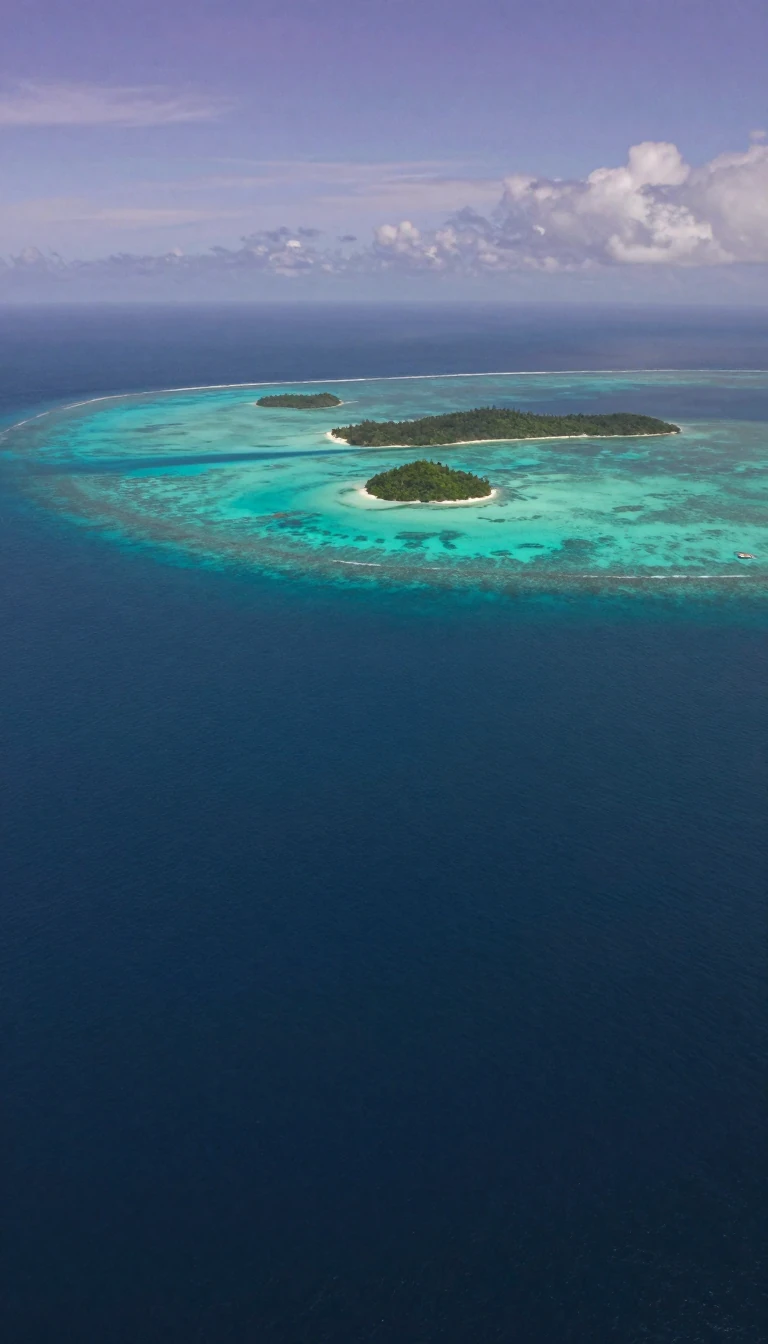
In short: Known as the Ghost Fleet of Truk Lagoon, this Micronesian site is a world-renowned scuba destination. Beneath the surface lie dozens of sunken Japanese warships, tanks, and aircraft. Yet, the myth of this place as a heavily fortified Pacific Gibraltar masks a reality defined by profound economic limitation.
Chuuk Lagoon, formerly Truk Atoll, served as the Empire of Japan's primary naval base in the South Pacific during World War II. While contemporary propaganda and later myths labeled it the Gibraltar of the Pacific, the site lacked the extensive fixed fortifications one might expect from such a critical stronghold. Historical analysis suggests this was not a strategic oversight but a consequence of Japan’s economic constraints; the nation could not afford both a massive navy and the heavy defensive infrastructure required to protect it. Consequently, Japan prioritized its fleet, leaving the lagoon vulnerable.
The turning point arrived in February 1944 with Operation Hailstone. American intelligence had forewarned the Japanese, who successfully withdrew their major warships to Palau, but the subsequent three-day air assault decimated the remaining fleet. The U.S. sank 12 smaller warships and 32 merchant vessels, effectively neutralizing the lagoon as a threat to Allied operations. By the time Japan surrendered in August 1945, the isolated garrison was starving, and the lagoon had earned its grim reputation as the world's largest ship graveyard.
Today, the lagoon is a protected site and a major tourism hub. Jacques Cousteau’s 1971 documentary brought international attention to the eerie, intact remains, which include fighter planes, munitions, and even human remains. While these wrecks now support a vibrant ecosystem of reef fish and coral, they also present an environmental challenge. Researchers are currently assessing the risk of oil leaks from the decaying hulls, a task complicated by the site's status as a Japanese war grave. This delicate balance between historical preservation, environmental safety, and tourism defines the modern legacy of Chuuk Lagoon.
Opens the Intellect+ feed with this card first. Swipe up for the next one.
Sources
- Summary by Intellect · source: Chuuk Lagoon
- Also: Wikidata — Chuuk Lagoon · CC0
- Also: Wikidata — Chuuk Lagoon shipwrecks · CC0
To cite this card, link to https://intellectplus.co.uk/app/places-chuuk-lagoon.
How we source, check and correct cards: Editorial standards.
General information, not professional advice. Spotted an error? Flag the card or see corrections and complaints.
Intellect Plus is a visual educational discovery platform for exploring fascinating facts and ideas. Brain Food, Not Brain Rot. What is Intellect Plus?
Related
More in Islands · More in Countries & Cities · Latest · A–Z · All topics
