The forgotten maritime vision of a New York seaport that never was
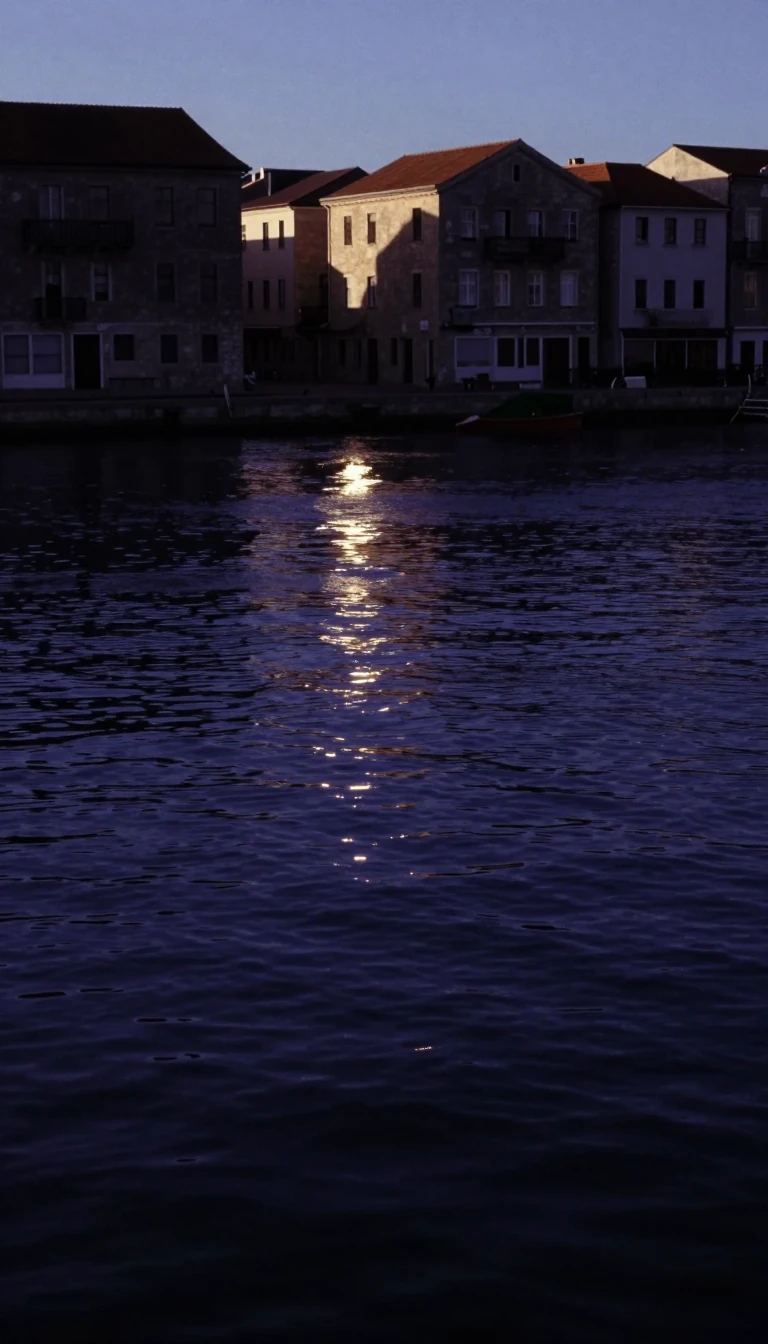
In short: In the 1760s, Benjamin Palmer envisioned City Island as a commercial rival to New York City. He mapped out shipyards, docks, and business districts, securing a unique legal patent for the waterfront. Yet, the American Revolution halted his progress, leaving behind a quiet, suburban enclave instead of a bustling global port.
Long before it became a tranquil Bronx neighborhood, City Island was known by various names, including Great Mulberry Island and Minefer's Island. The land was part of a 50,000-acre estate established by English physician Thomas Pell in 1654 through a treaty with five Lenape sachems. By 1761, Benjamin Palmer purchased the island with the ambitious goal of transforming it into a major seaport for the western Long Island Sound. Before European settlers arrived, the indigenous Wiechquaeskeck band of the Lenape people inhabited the area, leaving behind shell middens from their diet of clams and oysters.
Palmer’s strategy was comprehensive. He secured letters patent from the British Crown, a unique legal instrument known as the 'Palmer Grant,' which granted ownership of waterfront properties 400 feet beyond the high tide mark. He meticulously planned the island's layout, designating specific plots for schools, houses of worship, and shipyards. However, the onset of the American Revolution depleted his capital, and the grand vision of a competing New York port collapsed. The island's geography was shaped by glacial deposits from the last ice age, leaving a landscape of Manhattan schist, red clay, and erratic boulders.
While Palmer's industrial dream stalled, the island eventually found a different maritime identity. Sixty years after the war, industries such as shipbuilding, oystering, and pilotage arrived. By the mid-20th century, the island had transitioned into a significant shipbuilding community. Today, the area retains a suburban feel, famous for its seafood restaurants and antique stores, though the decline of the local boatyard industry has seen some maritime infrastructure converted into residential condominiums. The community's maritime history is preserved in the City Island Nautical Museum, housed in a school building dating back to 1897.
Opens the Intellect+ feed with this card first. Swipe up for the next one.
Sources
- Summary by Intellect · source: City Island, Bronx
- Also: Wikidata — City Island · CC0
To cite this card, link to https://intellectplus.co.uk/app/places-city-island-bronx.
How we source, check and correct cards: Editorial standards.
General information, not professional advice. Spotted an error? Flag the card or see corrections and complaints.
Intellect Plus is a visual educational discovery platform for exploring fascinating facts and ideas. Brain Food, Not Brain Rot. What is Intellect Plus?
Related
More in World Heritage Sites · More in Countries & Cities · Latest · A–Z · All topics
