Why a dormant volcanic plain became the unlikely cradle of modern French industry
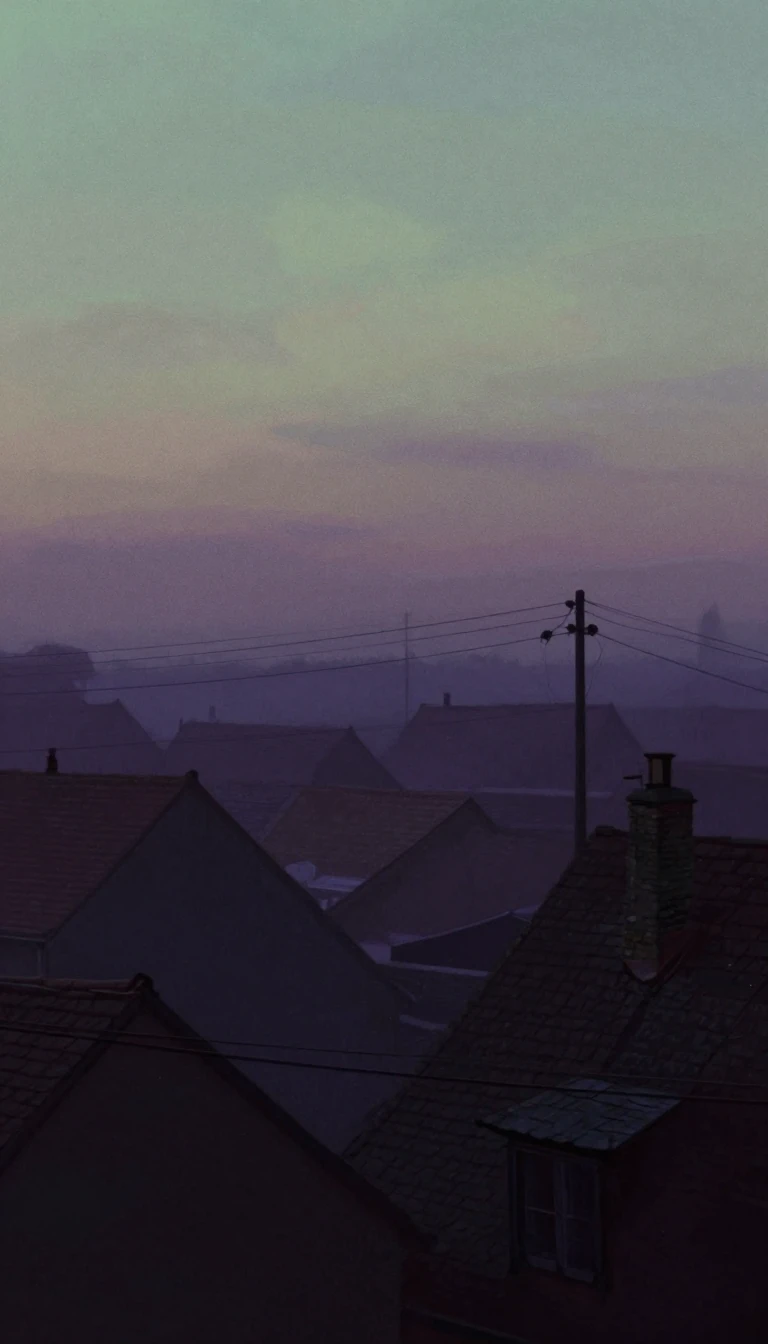
In short: Nestled within a chain of dormant volcanoes, Clermont-Ferrand is far more than a scenic French prefecture. From hosting the First Crusade to birthing the global tyre giant Michelin, this city has balanced ancient Roman roots with a relentless drive for innovation, cultural influence, and high-stakes scientific discovery.
Clermont-Ferrand, the capital of the Puy-de-Dôme département, occupies a unique position on the plain of Limagne. Surrounded by the Chaîne des Puys—a UNESCO World Heritage tectonic hotspot—the city’s geography has long defined its character. Once the Gaulish settlement of Nemessos and later the Roman Augustonemetum, the city has evolved through centuries of upheaval, from Viking raids to its role as the site where Pope Urban II called the First Crusade in 1095.
The city's modern identity is inextricably linked to the Michelin tyre company, which established its headquarters here over a century ago. While the company once employed 30,000 local workers, its gradual shift toward international manufacturing forced Clermont-Ferrand to pivot. By fostering a robust research sector and maintaining a large student population, the city successfully avoided the decline typical of many post-industrial hubs, remaining a prosperous center for high-income professionals.
Beyond industry, the city is a powerhouse of intellectual and cultural life. It was the home of Blaise Pascal, who famously used the nearby Puy-de-Dôme volcano to conduct experiments on atmospheric pressure. Today, the city maintains this legacy through its world-leading International Short Film Festival and a vibrant arts scene that includes over 800 artistic groups. Whether through its black lava-stone cathedral or its history as a site of philosophical inquiry, Clermont-Ferrand remains a city where the ancient and the avant-garde coexist.
The city's evolution is also a story of administrative fusion. Originally two separate entities—the episcopal city of Clermont and the comital city of Montferrand—the two were formally joined by royal decree in the 17th and 18th centuries. This amalgamation, eventually cemented by the expansion of industrial infrastructure in the 20th century, created the modern metropolis that continues to serve as a vital cultural and economic anchor in the Auvergne-Rhône-Alpes region.
Opens the Intellect+ feed with this card first. Swipe up for the next one.
Sources
- Summary by Intellect · source: Clermont-Ferrand
- Also: Wikidata — Clermont-Ferrand · CC0
To cite this card, link to https://intellectplus.co.uk/app/places-clermont-ferrand.
How we source, check and correct cards: Editorial standards.
General information, not professional advice. Spotted an error? Flag the card or see corrections and complaints.
Intellect Plus is a visual educational discovery platform for exploring fascinating facts and ideas. Brain Food, Not Brain Rot. What is Intellect Plus?
Related
More in Europe and Russia · More in Countries & Cities · Latest · A–Z · All topics
