Coimbra: The Ancient Portuguese Capital That Transformed Into a Global Academic Powerhouse
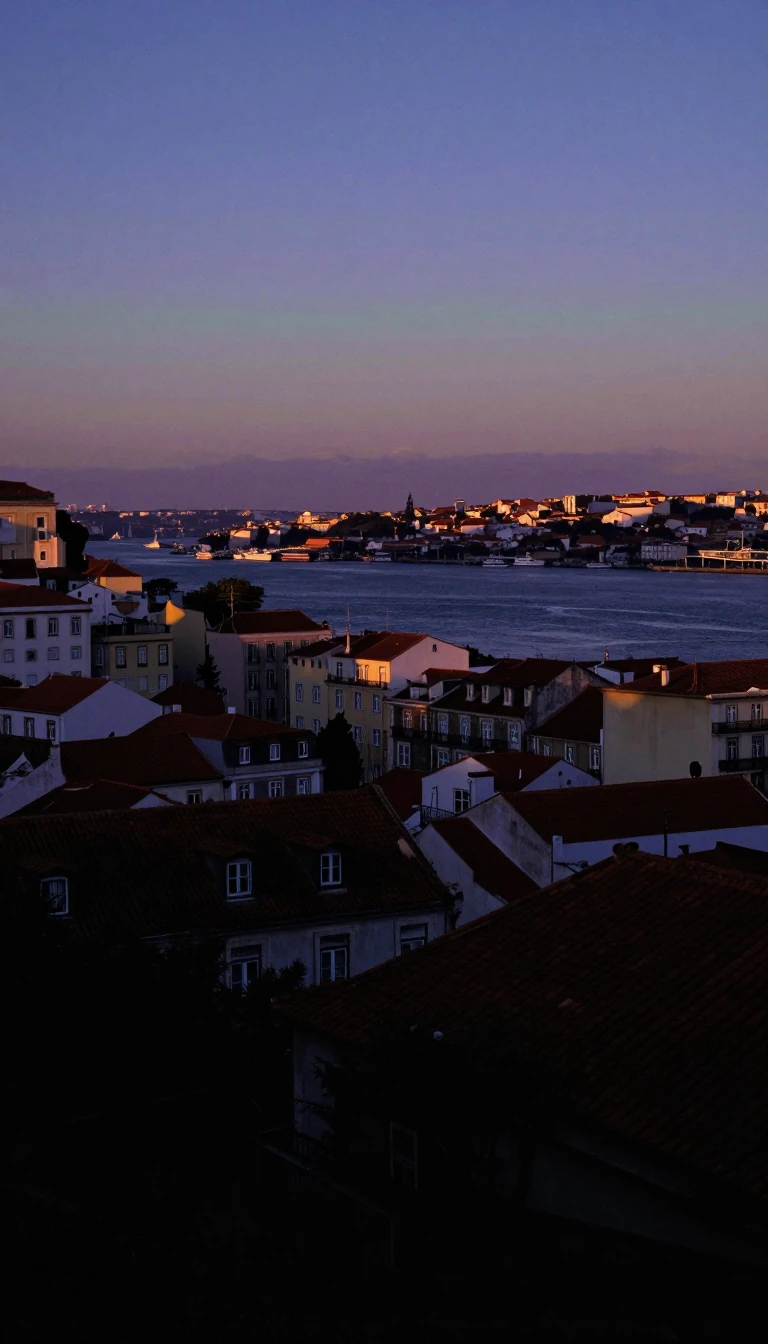
In short: Once the medieval capital of Portugal, Coimbra evolved from a Roman settlement into the nation's intellectual heart. Today, the city is defined by its historic university, which has anchored local life for centuries, attracting thousands of students and cementing its reputation as the Lusitanian Athens of the Portuguese-speaking world.
Coimbra, known in Roman times as Aeminium, sits on a limestone table overlooking the Mondego River. Its strategic location at the confluence of north-south trade routes allowed it to flourish, eventually serving as the capital of Portugal from 1131 to 1255. During this period, the city was a fortified stronghold, protected by walls and a castle that housed early monarchs. However, as the political center shifted, Coimbra underwent a profound transformation, pivoting away from its martial origins to become a major cultural and academic hub.
The catalyst for this shift was the relocation of the first Portuguese university to the city in 1308. Though the institution briefly returned to Lisbon, it was definitively transferred to the former Royal Palace in Coimbra in 1537. This move fundamentally altered the city's identity. The university, now a UNESCO World Heritage site, integrated itself into the urban fabric, fostering a unique typology of ceremonial traditions and intellectual life. By the 18th century, reforms under the Marquis of Pombal further emphasized scientific study, leading to the creation of significant historical science collections that remain vital today.
Today, Coimbra remains a regional powerhouse, serving as the center for Portugal's Central Region. Its economy is deeply intertwined with the university, which hosts over 28,000 students, and a robust sector of healthcare, technology, and legal services. While the medieval walls were largely demolished during 18th-century modernization efforts, the city retains its layered history, from Roman cryptoporticus and Gothic monasteries to the iconic Baroque library and university tower. It stands as a testament to how a city can successfully reinvent itself, transitioning from a seat of kings to a sanctuary for scholars.
Opens the Intellect+ feed with this card first. Swipe up for the next one.
Sources
- Summary by Intellect · source: Coimbra
- Also: Wikidata — Coimbra · CC0
- Also: Wikidata — Coimbra · CC0
To cite this card, link to https://intellectplus.co.uk/app/places-coimbra.
How we source, check and correct cards: Editorial standards.
General information, not professional advice. Spotted an error? Flag the card or see corrections and complaints.
Intellect Plus is a visual educational discovery platform for exploring fascinating facts and ideas. Brain Food, Not Brain Rot. What is Intellect Plus?
Related
More in Cities · More in Countries & Cities · Latest · A–Z · All topics
