How a forgotten trading outpost transformed into a global powerhouse of the modern era
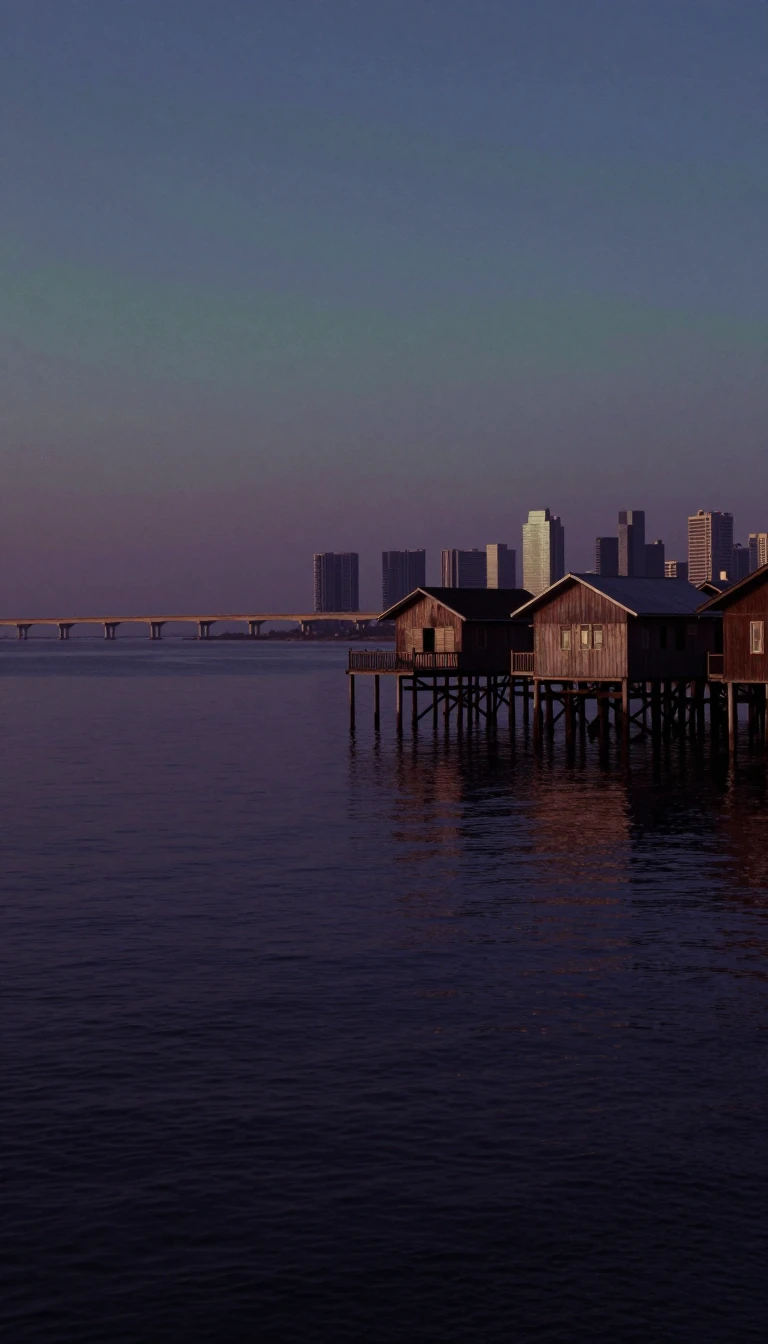
In short: Long before it became a sovereign financial hub, Singapore was a contested island of fishermen and pirates. After centuries of shifting empires and colonial rule, the territory navigated a turbulent transition from a war-torn British crown colony to a self-governing state, eventually forging its own path toward independence.
Singapore’s history is marked by cycles of obscurity and strategic prominence. Known as Temasek in the 14th century, the island served as a regional outpost before falling into decline. By the early 19th century, Sir Stamford Raffles of the English East India Company identified the location as a prime site for trade. Through political maneuvering, including the installation of a compliant sultan, Raffles secured the island for the British in 1824. This acquisition eventually led to the formation of the Straits Settlements, which became a crown colony in 1867.
The 20th century brought profound upheaval. During World War II, Japanese forces seized the island in February 1942, shattering the perception of British invincibility. Following the Japanese surrender in 1945, the British returned to a landscape of destroyed infrastructure, food shortages, and social unrest. To manage the recovery, the Straits Settlements were dissolved, and Singapore was established as a separate crown colony in 1946. This period was defined by a growing political awakening and a vocal push for self-governance, fueled by local nationalist sentiments.
The path to autonomy was complex, complicated by the Malayan Emergency and fears of communist subversion. While the colonial government introduced limited elections in 1948, true progress toward self-rule accelerated only after the Rendel Commission was established in 1953. By 1959, Singapore achieved internal self-governance. Although the island briefly joined the Federation of Malaysia in 1963, political and economic disagreements led to its separation. On August 9, 1965, Singapore emerged as an independent republic, finally concluding 144 years of British influence.
The transformation of Singapore from a colonial port to a global center was driven by its integration into international trade networks. The expansion of transit trade, particularly the global demand for tin and rubber, solidified its status as a premier port. Even after the challenges of the postwar era, the city-state leveraged its strategic position to build a resilient economy, proving that a small territory could exert outsized influence on the world stage.
Opens the Intellect+ feed with this card first. Swipe up for the next one.
Sources
- Summary by Intellect · source: Singapore - British Colony, Trade Hub, Modern City | Britannica
- Also: Colony of Singapore
To cite this card, link to https://intellectplus.co.uk/app/places-colony-of-singapore.
How we source, check and correct cards: Editorial standards.
General information, not professional advice. Spotted an error? Flag the card or see corrections and complaints.
Intellect Plus is a visual educational discovery platform for exploring fascinating facts and ideas. Brain Food, Not Brain Rot. What is Intellect Plus?
Related
More in Cities · More in Countries & Cities · Latest · A–Z · All topics
