How a small, resource-poor island became a global titan of trade and prosperity
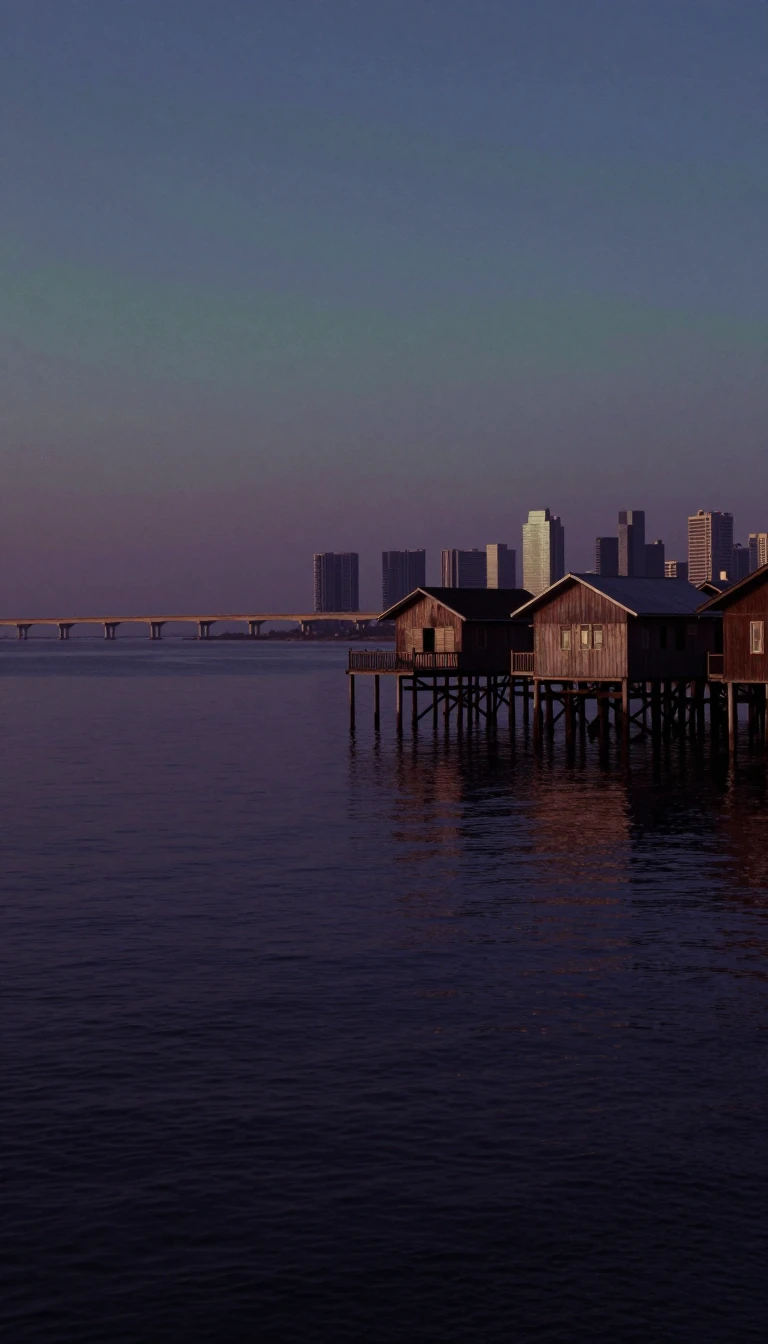
In short: Located just 85 miles north of the Equator, Singapore has transformed from a colonial outpost into one of the world's busiest ports. By leveraging its strategic position at the mouth of the Strait of Malacca, this city-state has achieved remarkable economic success despite having almost no natural resources.
Singapore’s rise is a story of geography meeting ambition. Situated at the southern tip of the Malay Peninsula, the island dominates the Strait of Malacca, the vital maritime artery connecting the Indian Ocean to the South China Sea. This location made it a natural hub for global trade, a role it has occupied since its days as a British colony. After a brief, turbulent union with the Federation of Malaysia in 1963, Singapore seceded to become an independent republic on August 9, 1965. Since then, it has evolved into a highly urbanized, prosperous nation with a 2024 GNI per capita of $74,750.
The island’s physical reality is as engineered as its economy. Originally a diamond-shaped landmass, Singapore has been significantly expanded through decades of land reclamation. Its natural terrain is modest; two-thirds of the island sits less than 50 feet above sea level, with the highest point, Timah Hill, reaching only 531 feet. The geology is a mix of granite central hills, faulted sedimentary rocks, and eastern plateaus of sand and gravel. Because the island lacks fertile soil and natural resources, its survival has always depended on human ingenuity, trade, and the constant management of its equatorial climate.
Today, Singapore is a fully urbanized society. The dense network of streams that once drained the island has been largely integrated into a built-up landscape where the distinction between city and country has vanished. While little of the original rain forest remains, the state maintains a unique symbiotic relationship with its environment, preserving pockets of biodiversity amidst its dense infrastructure. As it looks toward a future with a projected population of over 6.3 million by 2030, the city-state continues to rely on its status as a global port to sustain its high standard of living and long life expectancy, which averages over 85 years for women.
Opens the Intellect+ feed with this card first. Swipe up for the next one.
Sources
- Summary by Intellect · source: Singapore | Facts, Geography, History, & Points of Interest | Britannica
- Also: Singapore (island)
To cite this card, link to https://intellectplus.co.uk/app/places-singapore-island.
How we source, check and correct cards: Editorial standards.
General information, not professional advice. Spotted an error? Flag the card or see corrections and complaints.
Intellect Plus is a visual educational discovery platform for exploring fascinating facts and ideas. Brain Food, Not Brain Rot. What is Intellect Plus?
Related
More in Islands · More in Countries & Cities · Latest · A–Z · All topics
