How a high-altitude military hub became the unlikely center of American space operations.
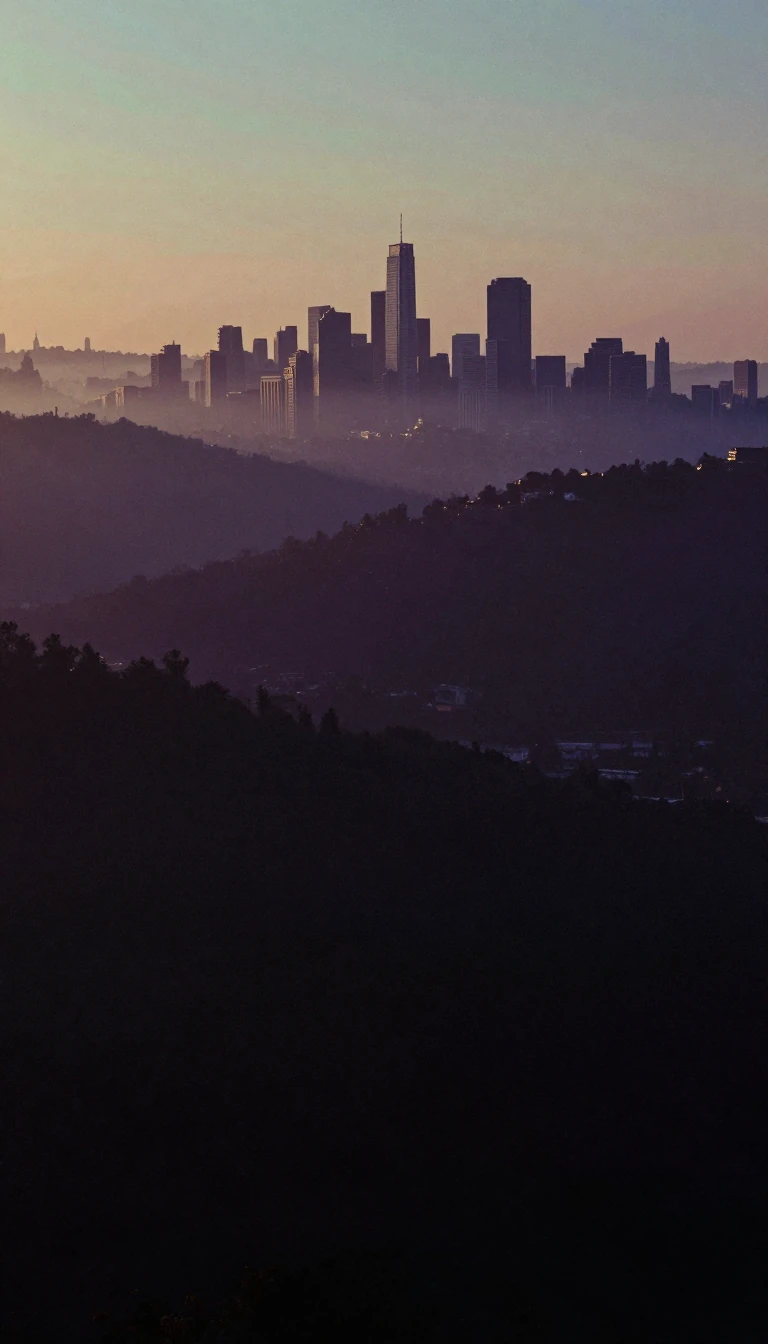
In short: Perched over a mile above sea level at the base of Pikes Peak, Colorado Springs has evolved from a 19th-century gold rush settlement into a critical nexus for national defense. Today, this high-altitude city hosts the largest concentration of space-focused military installations in the United States, shaping global security.
The city's transformation began in earnest during World War II with the establishment of Camp Carson in 1941 and the creation of Peterson Field. By the Cold War, its strategic geography made it the natural choice for the Air Defense Command and the hardened Cheyenne Mountain Complex, which housed the North American Aerospace Defense Command (NORAD). This military foundation remains the bedrock of the local economy, with defense contractors and over 45,000 active-duty troops contributing more than 40% of the Pikes Peak region's economic activity.
Beyond traditional air defense, Colorado Springs has become the heart of modern space warfare. It serves as the home for the U.S. Space Command, Space Operations Command, and multiple Space Force bases, including Peterson and Schriever. These installations are responsible for vital missions ranging from intelligence gathering and cyber operations to space-based defense. While the Air Force announced plans in 2021 to relocate Space Command to Alabama, the move remains a point of political contention that could still be reversed by Congress.
The city's unique environment has long attracted scientific and cultural interest. Nikola Tesla famously operated an experimental station on Knob Hill from 1899 to 1901, drawn by the region's high frequency of lightning strikes. Today, the city balances this high-tech military profile with a robust tourism sector, drawing millions of visitors to attractions like the Garden of the Gods and the Pikes Peak Summit Complex. Despite its rapid growth—the population reached 478,961 by the 2020 census—the city maintains a distinct identity, marked by its semi-arid climate, strict water conservation policies, and a complex social landscape that includes both a significant Evangelical presence and a evolving regulatory approach to the cannabis industry.
Opens the Intellect+ feed with this card first. Swipe up for the next one.
Sources
- Summary by Intellect · source: Colorado Springs, Colorado
- Also: Wikidata — Colorado Springs · CC0
- Also: Wikidata — Colorado Springs, Colorado · CC0
To cite this card, link to https://intellectplus.co.uk/app/places-colorado-springs-colorado.
How we source, check and correct cards: Editorial standards.
General information, not professional advice. Spotted an error? Flag the card or see corrections and complaints.
Intellect Plus is a visual educational discovery platform for exploring fascinating facts and ideas. Brain Food, Not Brain Rot. What is Intellect Plus?
Related
More in US cities · More in Countries & Cities · Latest · A–Z · All topics
