Inside the Cold War bunker designed to survive a planetary nuclear holocaust
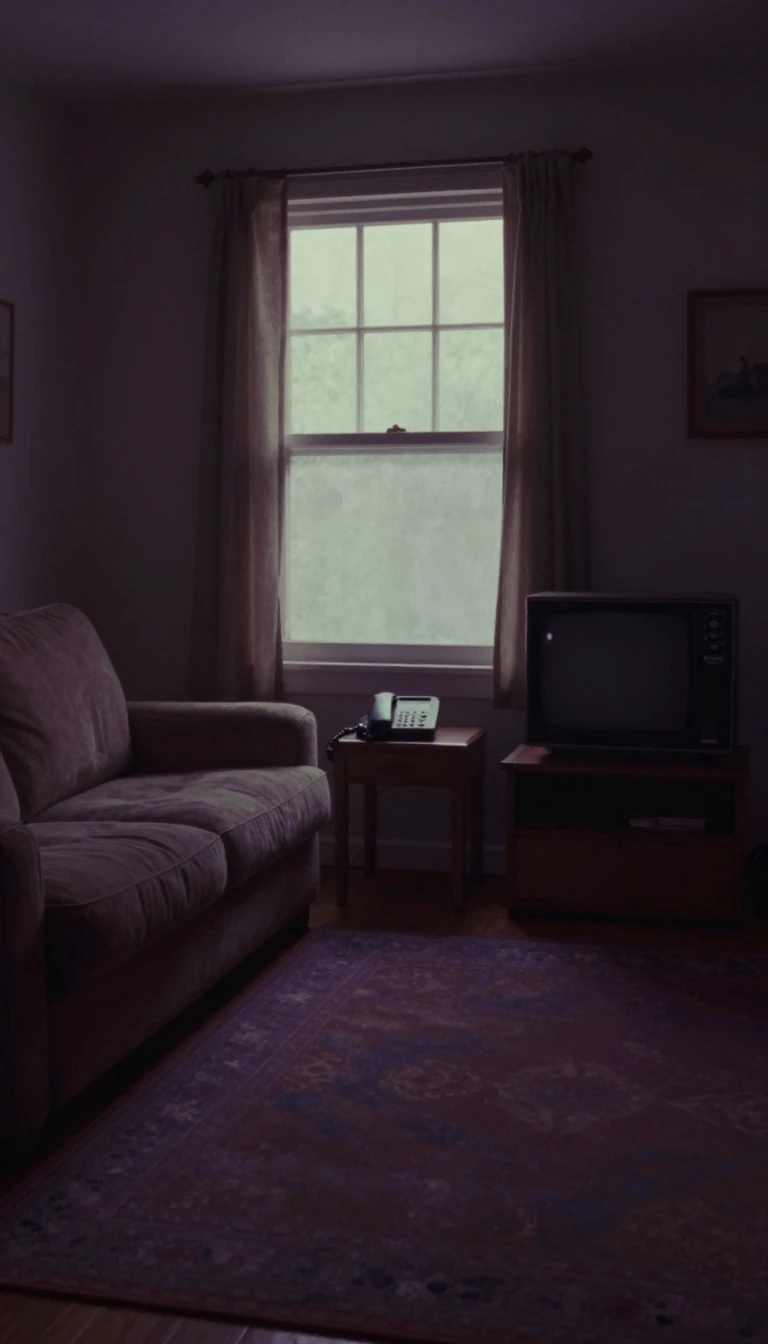
In short: Buried beneath 2,000 feet of granite, the Cheyenne Mountain Complex is a fortress built to withstand nuclear blasts and electromagnetic pulses. Originally established in 1967 to coordinate retaliatory strikes, this subterranean command center remains a critical node for North American aerospace defense, housing its own power, water, and life-support systems.
Construction of the Cheyenne Mountain Complex began on May 18, 1961, as a response to the escalating nuclear threats of the Cold War. The United States Army Corps of Engineers oversaw the excavation, while the Utah Construction & Mining Company handled the drilling and blasting. By February 6, 1967, the facility was operational, serving as the primary Combat Operations Center for the North American Air Defense Command. The initial construction cost $142.4 million, creating a hardened bunker designed to ensure official survival during a planetary holocaust.
The engineering behind the complex is designed for extreme resilience. Inside the mountain, fifteen three-story buildings are mounted on a system of over one thousand giant springs, which prevent any single structure from shifting more than one inch during an earthquake or explosion. The facility is the only underground Department of Defense installation certified to sustain a high-altitude electromagnetic pulse. It maintains its own independent infrastructure, including a power plant, a 4.5 million-gallon water reservoir used as a heat sink, and a 1.5 million-gallon reservoir for potable water.
While the complex was built to manage the response to a nuclear attack, its mission has evolved. Following the 2008 relocation of NORAD and USNORTHCOM headquarters to Peterson Space Force Base, the facility was redesignated as an alternate command center. Today, it continues to monitor space systems, missiles, and aircraft. Its cultural footprint is equally distinct; the bunker’s unique aesthetic and purpose have inspired numerous films, including 'WarGames' in 1983, 'Terminator 3: Rise of the Machines' in 2003, and 'Interstellar' in 2014, cementing its status as an icon of Cold War architecture.
Opens the Intellect+ feed with this card first. Swipe up for the next one.
Sources
- Summary by Intellect · source: Cheyenne Mountain Complex
To cite this card, link to https://intellectplus.co.uk/app/art-cheyenne-mountain-complex.
How we source, check and correct cards: Editorial standards.
General information, not professional advice. Spotted an error? Flag the card or see corrections and complaints.
Intellect Plus is a visual educational discovery platform for exploring fascinating facts and ideas. Brain Food, Not Brain Rot. What is Intellect Plus?
Related
More in Visual arts · More in Art · Latest · A–Z · All topics
