Cooch Behar: The Royal Planned City Hidden in India's Northeastern Agricultural Heartland
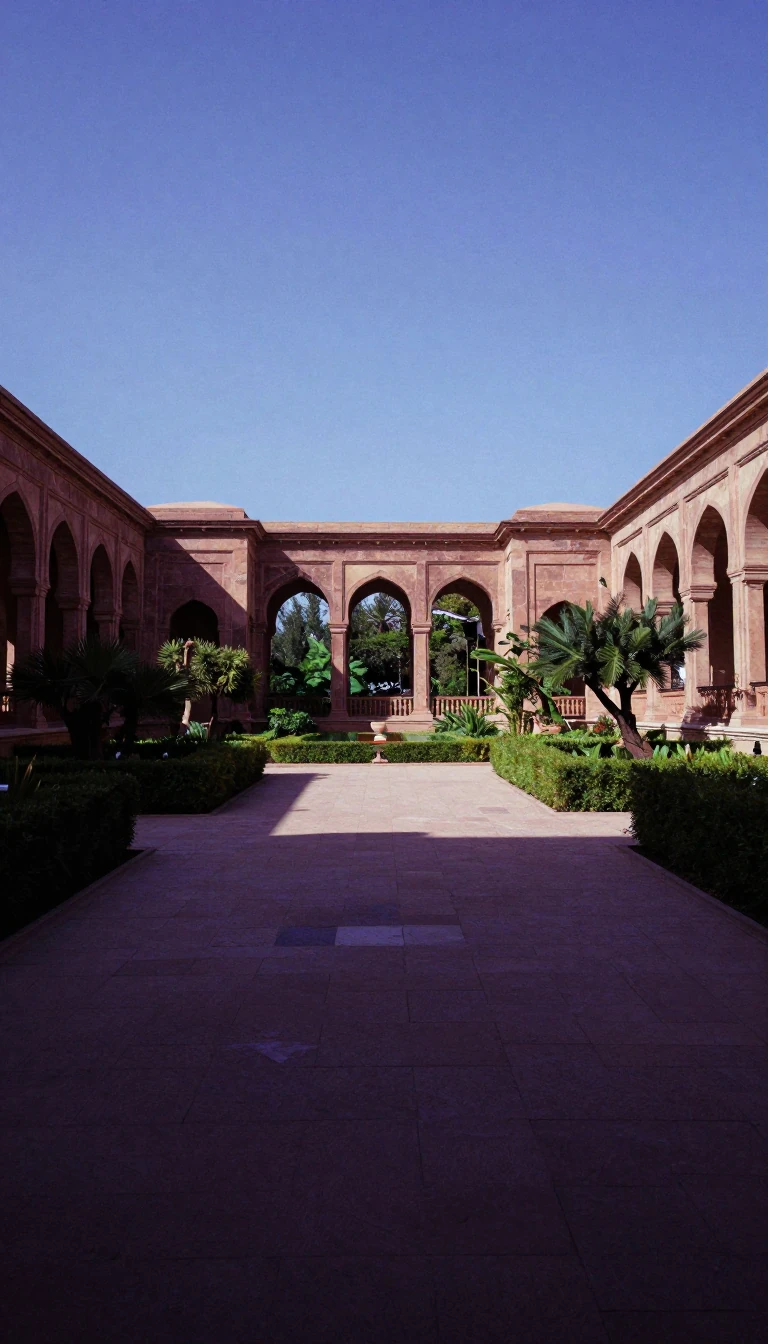
In short: Nestled near the Torsa River in West Bengal, Cooch Behar stands as a unique agricultural hub with a regal past. Once the seat of a powerful princely state, this town is the only planned city in North Bengal, blending colonial-era architectural grandeur with the fertile, river-fed landscape of India's northeast.
Cooch Behar, situated in the eastern portion of West Bengal, serves as a vital agricultural market center. Its geography is defined by the Torsa River, which flows along the town's western edge. While the broader state of West Bengal is characterized by a transitional climate—shifting from tropical wet-dry in the south to humid subtropical in the north—the local environment around Cooch Behar is shaped by its proximity to these river systems. The region's soil is largely alluvial, reflecting the broader geological patterns of the Gangetic Plain and the sub-Himalayan tracts that dominate the state's northern landscape.
The town's historical significance is rooted in its status as the former capital of a princely state. Unlike many other settlements in the region, Cooch Behar was developed as a planned city, a legacy that persists in its urban layout. This royal heritage is most visibly represented by the Cooch Behar Palace, a structure inspired by classical Italian architecture. The palace, which features a dome reminiscent of St. Peter's Basilica in Rome, was constructed in 1887 during the reign of Maharaja Nripendra Narayan, who is credited with modernizing the town.
The transition from a princely state to a part of modern India was finalized in the mid-20th century. Following an agreement between the local ruler and the Indian government, authority was transferred in September 1949, and the territory was formally integrated into West Bengal in January 1950. Today, the area remains an important cultural and economic node. Beyond its urban center, the surrounding district is home to significant biodiversity, including protected natural areas like Jaldapara, which was established as a sanctuary in 1976 and is now a national park spanning over 200 square kilometers.
Opens the Intellect+ feed with this card first. Swipe up for the next one.
Sources
- Summary by Intellect · source: Cooch Behar | History & Palace | Britannica
- Also: Cooch Behar
To cite this card, link to https://intellectplus.co.uk/app/places-cooch-behar.
How we source, check and correct cards: Editorial standards.
General information, not professional advice. Spotted an error? Flag the card or see corrections and complaints.
Intellect Plus is a visual educational discovery platform for exploring fascinating facts and ideas. Brain Food, Not Brain Rot. What is Intellect Plus?
Related
More in Asia · More in Countries & Cities · Latest · A–Z · All topics
