Cottbus: The German City That Keeps Losing and Regaining Its Major Status
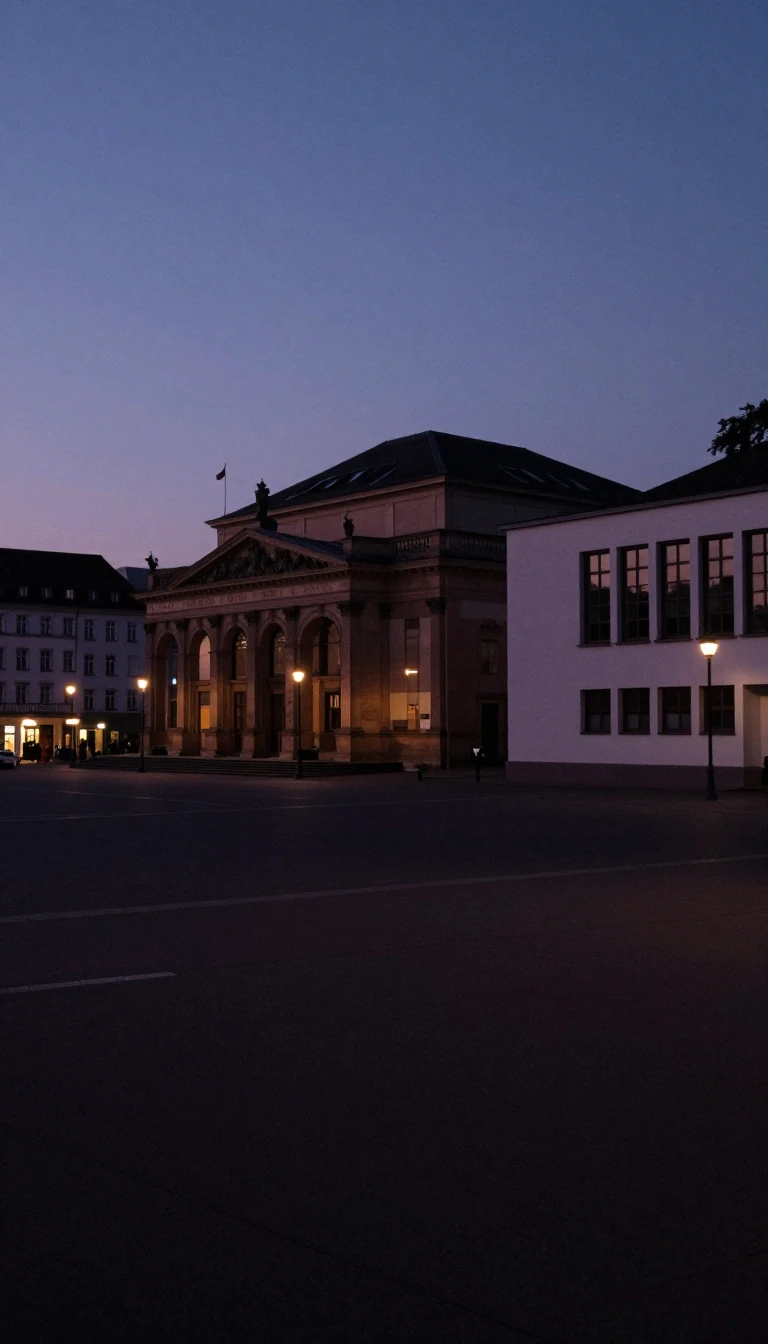
In short: Cottbus, a university city in Brandenburg, occupies a unique position as the cultural heart of the Lower Sorbian people. Yet, its identity is defined by constant flux: from its origins as a medieval fortress to its modern struggle to maintain the official status of a major city.
Established in the tenth century on a sandy island in the River Spree, Cottbus has long been a site of shifting borders and cultural convergence. Originally a Sorbian stronghold, it passed between Polish, Bohemian, and Prussian rule before becoming a key industrial hub. By the 19th century, it was a center for wool production and trade, eventually evolving into a major energy and mining district during the GDR era. This industrial focus fueled a population boom, peaking at 128,943 inhabitants in 1989.
The city’s modern history is marked by a dramatic demographic contraction following German reunification. As the economy transitioned from coal and heavy industry to services and science, the city lost approximately 46,000 residents between 1990 and 2007. This decline triggered a peculiar administrative struggle: the threshold for a 'major city' in Germany is 100,000 inhabitants. Cottbus has repeatedly hovered around this number, with census revisions and local registration data often providing conflicting counts. In 2024, the city reported a population of 100,275, while census projections placed the figure lower, leading to ongoing disputes over its official classification.
Beyond its demographic volatility, Cottbus serves as a vital center for the Sorbian minority, maintaining bilingual signage and cultural institutions like the Wendish Museum. The city is also undergoing a massive environmental transformation. The former Cottbus-Nord lignite mine, closed in 2015, has been flooded to create the Cottbus Eastern Lake. This project represents the city's broader pivot toward tourism and post-industrial revitalization, even as it continues to grapple with the legacy of its rapid 20th-century expansion and subsequent structural adjustment.
Opens the Intellect+ feed with this card first. Swipe up for the next one.
Sources
- Summary by Intellect · source: Cottbus
- Also: Wikidata — Cottbus · CC0
To cite this card, link to https://intellectplus.co.uk/app/places-cottbus.
How we source, check and correct cards: Editorial standards.
General information, not professional advice. Spotted an error? Flag the card or see corrections and complaints.
Intellect Plus is a visual educational discovery platform for exploring fascinating facts and ideas. Brain Food, Not Brain Rot. What is Intellect Plus?
Related
More in Cities · More in Countries & Cities · Latest · A–Z · All topics
