Bydgoszcz: The Polish City That Once Minted Europe's Largest Gold Coins
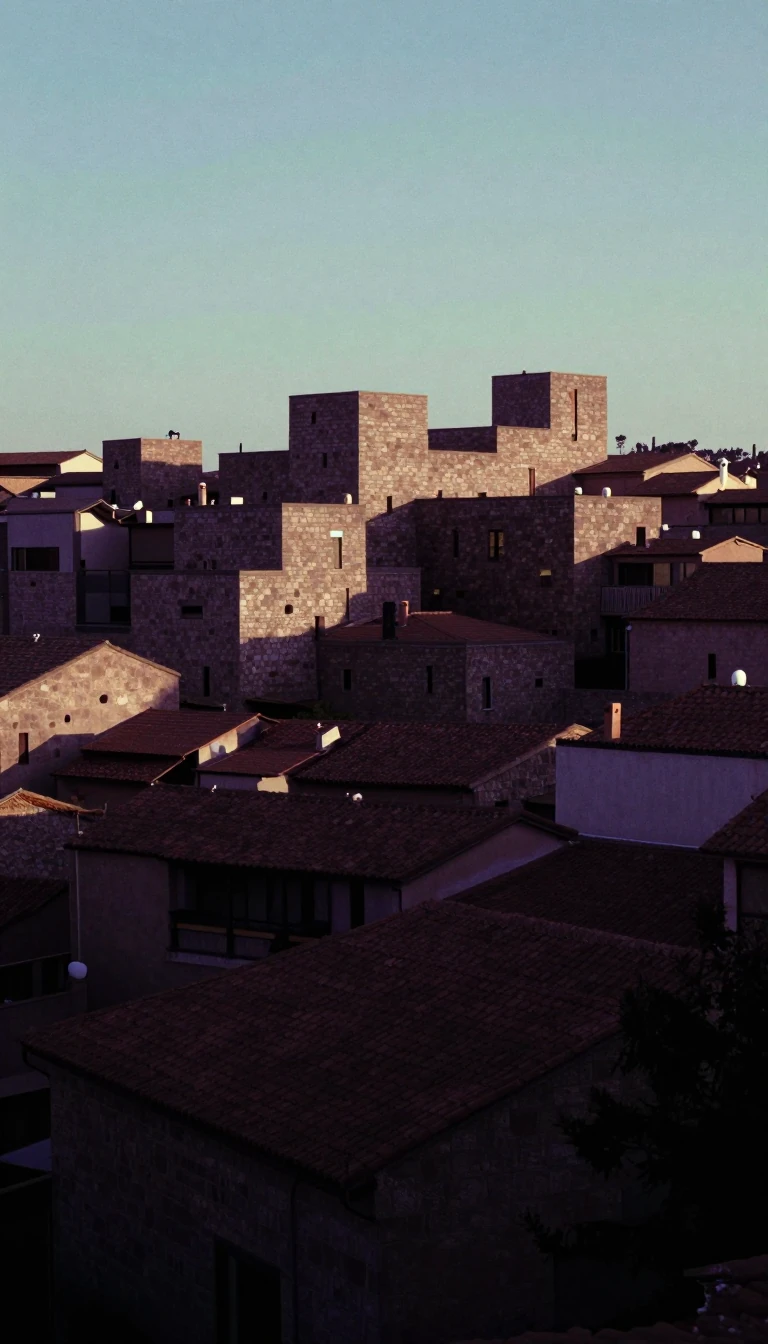
In short: Straddling the Vistula and Brda rivers, Bydgoszcz is a historic Polish hub known for its diverse architecture and industrial past. Once a royal city, it has evolved from a medieval trade center into a modern NATO stronghold, earning the nickname Little Berlin for its unique, green, and canal-filled urban landscape.
Bydgoszcz, the largest city in the historical region of Kuyavia, has long served as a vital node for trade and transportation. Its strategic location on the Amber Road facilitated early contact with the Roman Empire, and by the Middle Ages, it had become a royal city of the Kingdom of Poland. King Casimir III granted the city its charter in 1346, establishing its role as a significant center for wheat trading and river commerce. The city's economic importance was further cemented in the 17th century when it hosted a royal mint, which famously produced 100-ducat coins of Sigismund III Vasa in 1621—some of the largest and most valuable coins in European history.
The city's architectural identity is a complex layering of styles, including Gothic, Neoclassicist, and Art Nouveau. This aesthetic, combined with extensive green spaces and canals, earned it the moniker Little Berlin. Landmarks like the 19th-century granaries on Mill Island and the massive Saint Vincent de Paul Basilica—modeled after the Roman Pantheon with a 40-metre reinforced concrete dome—highlight its structural diversity. However, this heritage was scarred by the 20th century. During World War II, the city suffered immense tragedy, including the Intelligenzaktion, a campaign of systematic extermination against Polish elites and the local Jewish population.
Today, Bydgoszcz functions as a dual capital of the Kuyavian-Pomeranian Voivodeship and serves as a major center for NATO, hosting the Joint Force Training Centre. Its cultural landscape is equally vibrant, recognized by UNESCO as a City of Music in 2023. Despite the destruction of its medieval castle and historic churches during various occupations, the city remains a testament to resilience, blending its industrial roots with a modern, academic, and artistic identity that continues to evolve at the confluence of its two rivers.
The city's name itself reflects its deep history, derived from the personal name Bydgost. While it was known as Bromberg during periods of Prussian and German control, it has reclaimed its Polish identity, serving as a hub for education and innovation. With a population of over 339,000, it remains a critical, if often overlooked, pillar of northern Poland's cultural and strategic landscape.
Opens the Intellect+ feed with this card first. Swipe up for the next one.
Sources
- Summary by Intellect · source: Bydgoszcz
- Also: Wikidata — Bydgoszcz · CC0
To cite this card, link to https://intellectplus.co.uk/app/places-bydgoszcz.
How we source, check and correct cards: Editorial standards.
General information, not professional advice. Spotted an error? Flag the card or see corrections and complaints.
Intellect Plus is a visual educational discovery platform for exploring fascinating facts and ideas. Brain Food, Not Brain Rot. What is Intellect Plus?
Related
More in Cities · More in Countries & Cities · Latest · A–Z · All topics
