Germany's largest urban powerhouse is a collection of cities that rarely act as one.
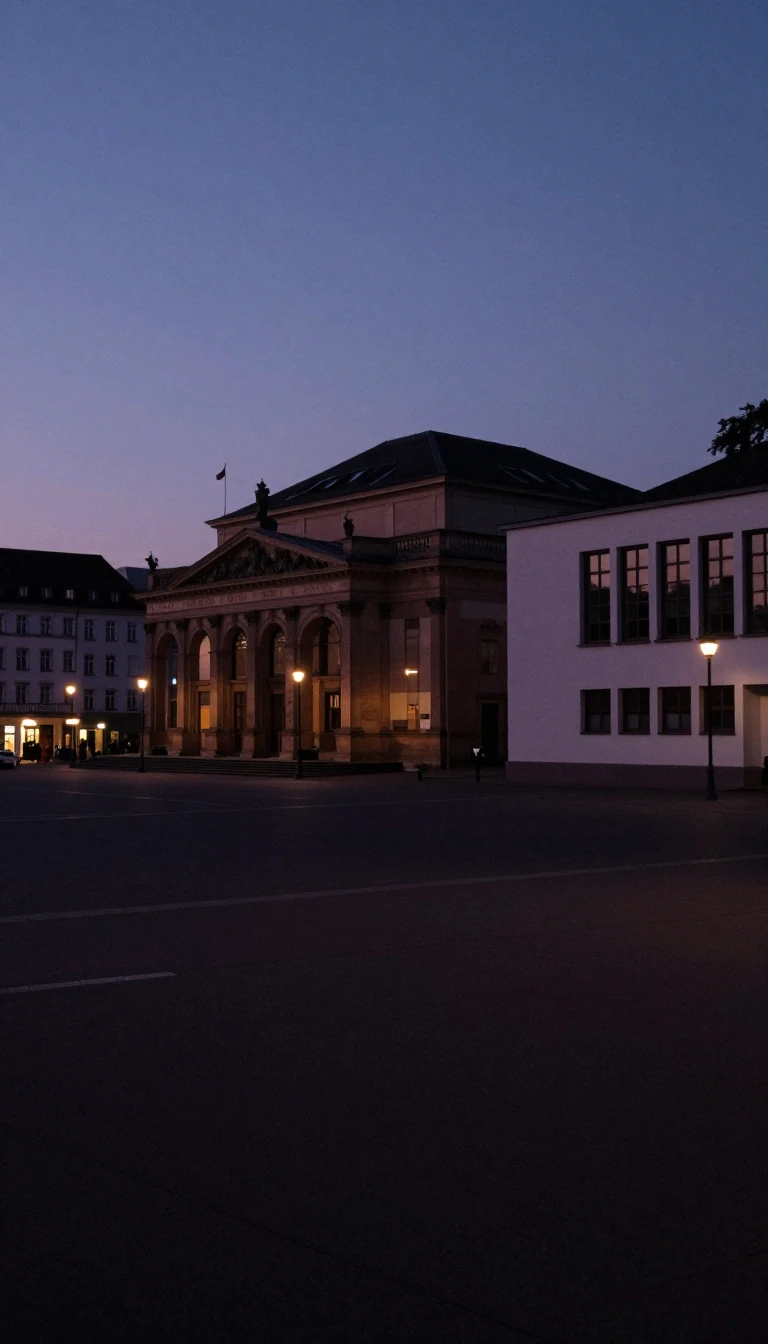
In short: Home to over ten million people, the Rhine-Ruhr region generates 15% of Germany's GDP. Despite its massive scale and economic weight, it often struggles to compete globally because its constituent cities—like Cologne, Düsseldorf, and Essen—frequently prioritize their own local investment policies over a unified regional strategy.
Spanning 7,110 square kilometers, the Rhine-Ruhr region is a polycentric conurbation defined by the rivers for which it is named. While it sits at the heart of the European Blue Banana, connecting it to major hubs like the Randstad and the Flemish Diamond, the region lacks a singular identity. Historically, the northern Ruhr area was the engine of heavy industry during the 19th and early 20th centuries, while cities like Cologne have served as vital trading centers since the Middle Ages. Today, the region functions as an economic powerhouse, hosting twelve Fortune Global 500 companies, including giants like Deutsche Telekom and ThyssenKrupp.
The region's infrastructure is remarkably integrated, particularly its transit network. The Verkehrsverbund Rhein-Ruhr consortium manages a system where subway lines can cross city borders underground, a unique feature in Germany. This connectivity extends to four international airports and the densest network of Autobahns in the country. Culturally, the area is equally dense, boasting three UNESCO World Heritage Sites, such as the Zollverein Coal Mine Industrial Complex, and a massive student population of over 300,000 across nine universities and dozens of colleges.
Despite these strengths, the region remains a fragmented entity. Official definitions of its borders vary, and Eurostat’s Urban Audit splits the area into six distinct functional urban zones. This lack of cohesion is a recurring point of academic discourse, with some observers labeling the metropolitan region an artificial construct. Because individual cities often compete for investment rather than collaborating, the Rhine-Ruhr region frequently fails to leverage its combined size to achieve the international standing that its economic output—the second largest metropolitan GDP in the European Union—would otherwise suggest it deserves.
Opens the Intellect+ feed with this card first. Swipe up for the next one.
Sources
- Summary by Intellect · source: Rhine-Ruhr metropolitan region
To cite this card, link to https://intellectplus.co.uk/app/places-rhine-ruhr-metropolitan-region.
How we source, check and correct cards: Editorial standards.
General information, not professional advice. Spotted an error? Flag the card or see corrections and complaints.
Intellect Plus is a visual educational discovery platform for exploring fascinating facts and ideas. Brain Food, Not Brain Rot. What is Intellect Plus?
Related
More in Europe and Russia · More in Countries & Cities · Latest · A–Z · All topics
