Bacteria possess an ancient, programmable immune system that scientists now use to edit DNA.
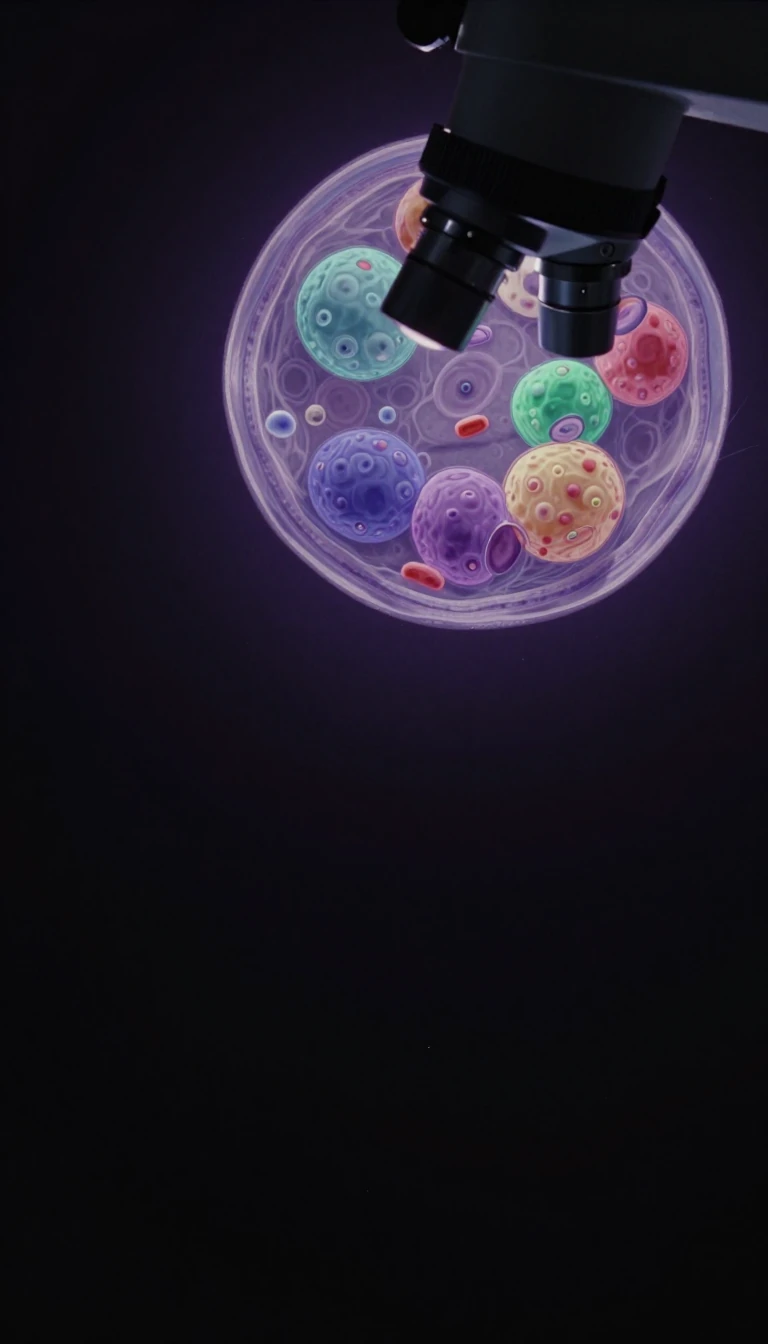
In short: Long before humans developed gene-editing tools, bacteria were already using a sophisticated defense mechanism to survive viral attacks. By capturing fragments of invading phage DNA and storing them as a genetic memory, these microbes can recognize and destroy future threats—a process that has revolutionized modern biotechnology and medicine.
At its core, the CRISPR system functions as an adaptive immune response for prokaryotes like bacteria and archaea. When a virus or bacteriophage infects a cell, the microbe captures a piece of the invader's genetic material and integrates it into its own genome within a CRISPR locus. These stored fragments, known as spacers, act as a chronological record of past infections. When the same virus attacks again, the cell uses these spacers to produce RNA guides that direct specialized Cas proteins to locate and degrade the foreign DNA.
The transition from a natural defense mechanism to a laboratory tool began with the discovery of the Cas9 enzyme. In 2012, researchers demonstrated that Cas9 could be programmed with a single-guide RNA to target and cut specific DNA sequences. This breakthrough, recognized by the 2020 Nobel Prize in Chemistry, allows scientists to edit genes within living organisms with unprecedented precision. Beyond the well-known Cas9, other systems like Cas12a have since been developed, offering even greater versatility by targeting RNA and simplifying the technical requirements for gene manipulation.
While the technology is powerful, it remains a subject of intense study regarding its evolutionary origins and mechanisms. Some researchers have described the system as a form of Lamarckian inheritance because acquired genetic spacers are passed down to daughter cells, providing heritable immunity. However, this interpretation is debated, as the underlying Cas machinery itself evolves through traditional Darwinian processes. Today, CRISPR is used in applications ranging from basic biological research to the development of new medical treatments, proving that the most advanced tools are often those refined by billions of years of microbial survival.
The complexity of these systems is vast, with CRISPR-Cas categorized into two main classes and six distinct types. Whether it is the Cascade complex in E. coli or the single-protein efficiency of Cas9, these systems rely on precise molecular recognition to distinguish between self and foreign DNA. By understanding how these microbes maintain their genetic integrity against constant viral pressure, scientists have unlocked a programmable method to rewrite the code of life itself.
Opens the Intellect+ feed with this card first. Swipe up for the next one.
Sources
- Summary by Intellect · source: CRISPR
- Also: Wikidata — CRISPR · CC0
To cite this card, link to https://intellectplus.co.uk/app/places-crispr.
How we source, check and correct cards: Editorial standards.
General information, not professional advice. Spotted an error? Flag the card or see corrections and complaints.
Intellect Plus is a visual educational discovery platform for exploring fascinating facts and ideas. Brain Food, Not Brain Rot. What is Intellect Plus?
Related
More in Cities · More in Countries & Cities · Latest · A–Z · All topics
