How a North Belfast football club rose from junior ranks to senior league champions
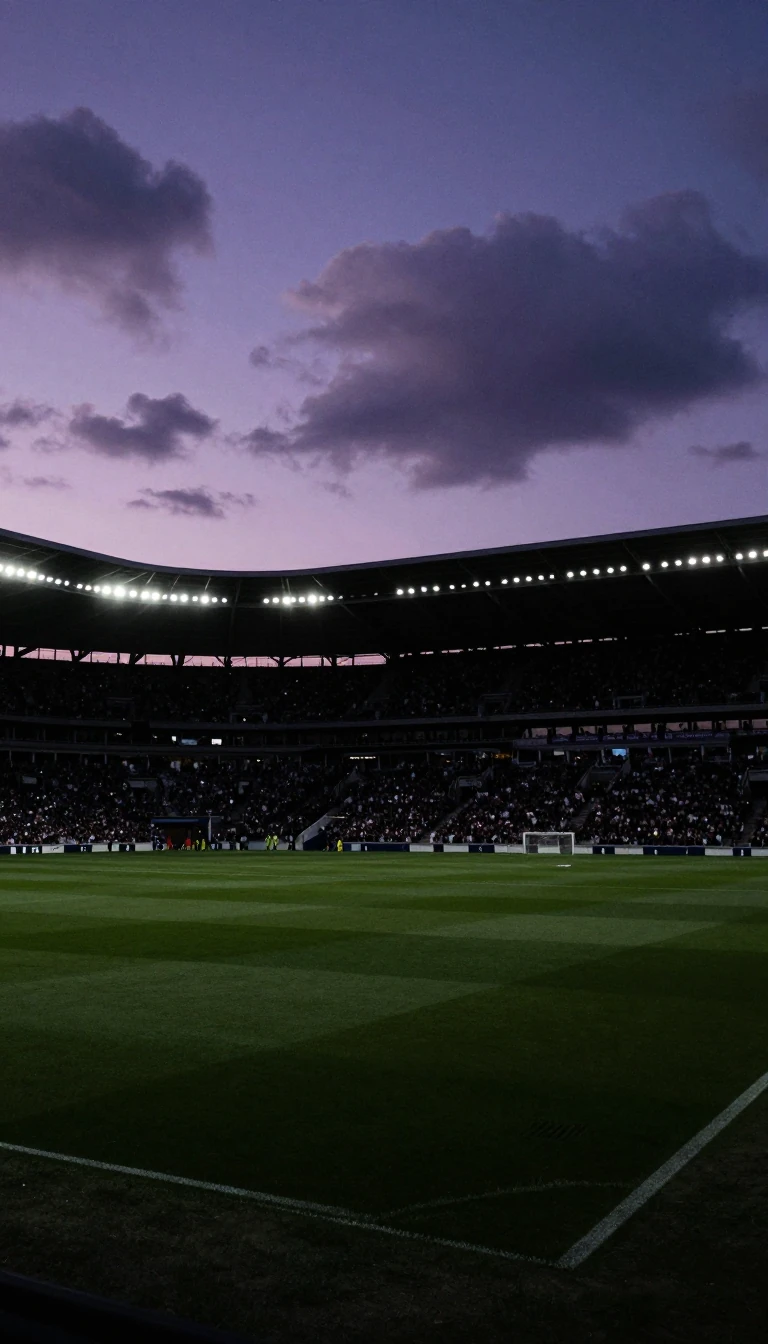
In short: Founded in 1898, Crusaders Football Club began as a modest junior side where players paid two pence to play. Today, the club is a cornerstone of the NIFL Premiership, having survived wars, financial instability, and the Troubles to become a formidable force in Northern Irish football history.
Crusaders Football Club was established in 1898 in north Belfast, with its first committee meeting reportedly held at 182 North Queen Street. The name was chosen by Thomas Palmer, who sought a title of international significance, drawing inspiration from medieval Christian knights. For decades, the club operated at junior and intermediate levels, achieving significant success in competitions like the Steel & Sons Cup. Despite their dominance in the Irish Intermediate League, repeated applications to join the senior Irish League were rejected, leading the club to briefly consider joining leagues in Scotland or the Republic of Ireland.
The club's trajectory shifted in 1949 following the withdrawal of Belfast Celtic from senior football, which created a vacancy that Crusaders filled. Their early years in the senior ranks were difficult, marked by re-election battles and financial constraints. However, the 1960s ushered in a golden era, highlighted by Irish Cup victories in 1967 and 1968. These successes paved the way for European competition, including a memorable 1976 tie against Liverpool. The club's resilience was tested during the Troubles; notably, in 1980, RUC constable David Purse was killed at a match, the only such murder at a football ground during that period.
The 1990s saw a revival under player-manager Roy Walker, whose squad, affectionately dubbed the God Squad, secured league titles in 1995 and 1997. Following a period of decline and their first-ever relegation in 2005, the club rebounded under manager Stephen Baxter. Modernization efforts, including the installation of a 4G-synthetic pitch and stadium renovations at Seaview, have solidified their status. By the 2014–15 season, the club had reached new heights, securing the Gibson Cup and achieving their first aggregate victory in European competition, cementing their place as a resilient institution in Northern Irish sport.
Opens the Intellect+ feed with this card first. Swipe up for the next one.
Sources
- Summary by Intellect · source: Crusaders F.C.
- Also: Wikidata — Crusaders F.C. · CC0
- Also: Wikidata — Crusaders F.C. · CC0
To cite this card, link to https://intellectplus.co.uk/app/places-crusaders-f-c.
How we source, check and correct cards: Editorial standards.
General information, not professional advice. Spotted an error? Flag the card or see corrections and complaints.
Intellect Plus is a visual educational discovery platform for exploring fascinating facts and ideas. Brain Food, Not Brain Rot. What is Intellect Plus?
Related
More in Cities · More in Countries & Cities · Latest · A–Z · All topics
