The sago cycad is a toxic, slow-growing ancient plant often mistaken for a palm
In short: Despite its common name and palm-like appearance, the sago cycad is a distinct gymnosperm native to southern Japan. While prized as an ornamental, this slow-growing plant is dangerously poisonous to humans and animals. Understanding its biology reveals a complex, hardy species that has survived for centuries in landscapes worldwide.
Cycas revoluta, commonly known as the sago cycad, is frequently misidentified as a palm due to its superficial resemblance in leaf arrangement. In reality, it is a gymnosperm belonging to the Cycadaceae family, native to southern Japan and the Ryukyu Islands. The plant is characterized by a thick, shaggy trunk and a symmetrical crown of deep green, feather-like leaves. It is remarkably slow-growing, often requiring 50 to 100 years to reach heights of 6 to 7 meters. The largest known specimen, located at the Ryugeji Temple in Shimizu, Japan, stands 8 meters tall.
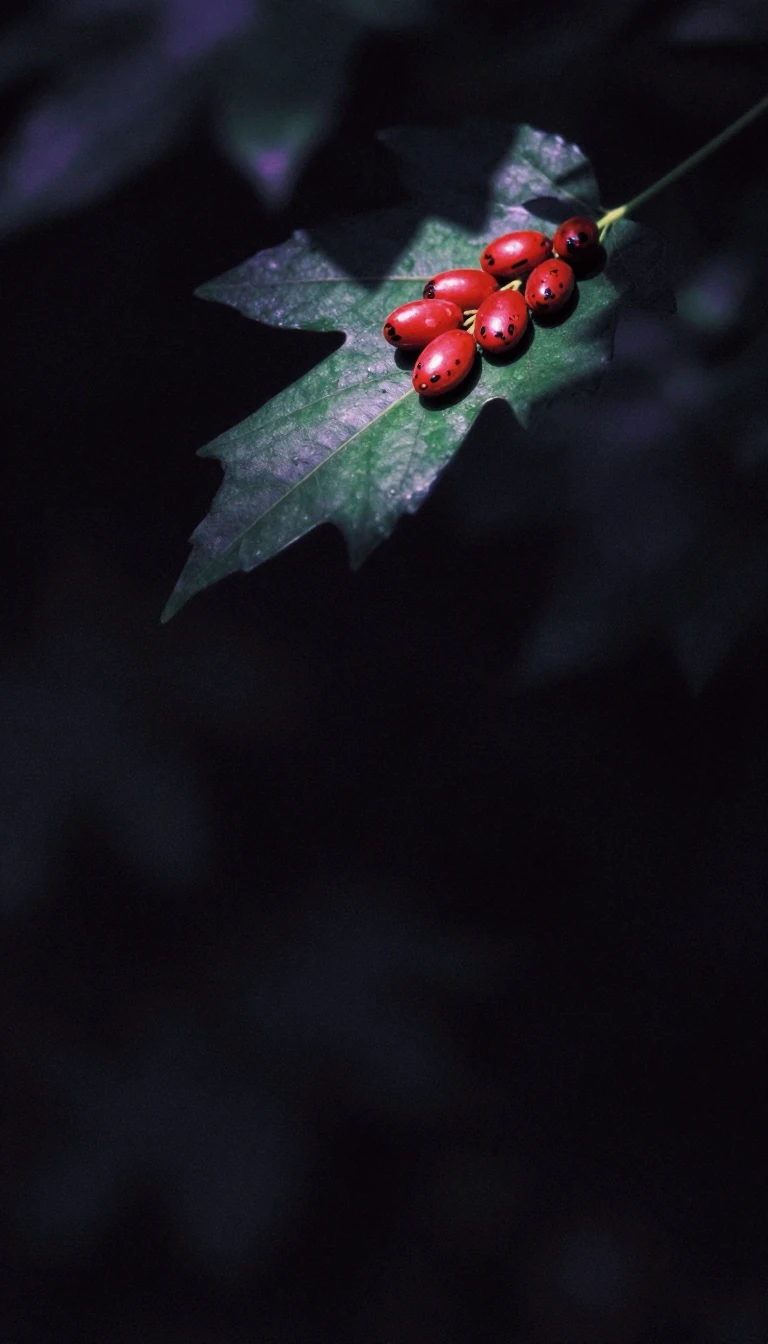
The plant's survival strategy includes a unique symbiotic relationship with Anabaena, which allows for nitrogen fixation within its specialized coralloid roots. However, its most notable trait is its extreme toxicity. All parts of the plant contain dangerous substances, with the seeds harboring the highest concentrations of the toxin cycasin. Ingestion can lead to severe gastrointestinal distress, liver failure, and even death, with the ASPCA Animal Poison Control Center estimating a fatality rate of 50 to 75 percent for pets that consume the plant. Despite these risks, the pith contains starch that can be processed into edible sago, provided it is meticulously washed to leach out toxins.
Cultivated widely for its aesthetic appeal, C. revoluta is a staple in botanical gardens and home landscapes. It is dioecious, meaning it produces separate male and female reproductive structures, and it can be propagated through seeds or basal offsets. While it thrives in warm temperate and subtropical climates, it is surprisingly resilient, tolerating mild frost if the ground remains dry. Its popularity as an ornamental is underscored by the Royal Horticultural Society's Award of Garden Merit, yet its potential for harm remains a critical consideration for any gardener or pet owner.
Opens the Intellect+ feed with this card first. Swipe up for the next one.
Sources
- Summary by Intellect · source: Cycas revoluta
- Also: Wikidata — Cycas revoluta · CC0
- Also: Wikidata — Cycas revoluta beloved by Hideyoshi at Kōtaku-ji temple in Karatsu · CC0
To cite this card, link to https://intellectplus.co.uk/app/places-cycas-revoluta.
How we source, check and correct cards: Editorial standards.
General information, not professional advice. Spotted an error? Flag the card or see corrections and complaints.
Intellect Plus is a visual educational discovery platform for exploring fascinating facts and ideas. Brain Food, Not Brain Rot. What is Intellect Plus?
Related
More in Cities · More in Countries & Cities · Latest · A–Z · All topics
