Denpasar: How a Balinese Market Town Became a Modern Metropolitan Hub
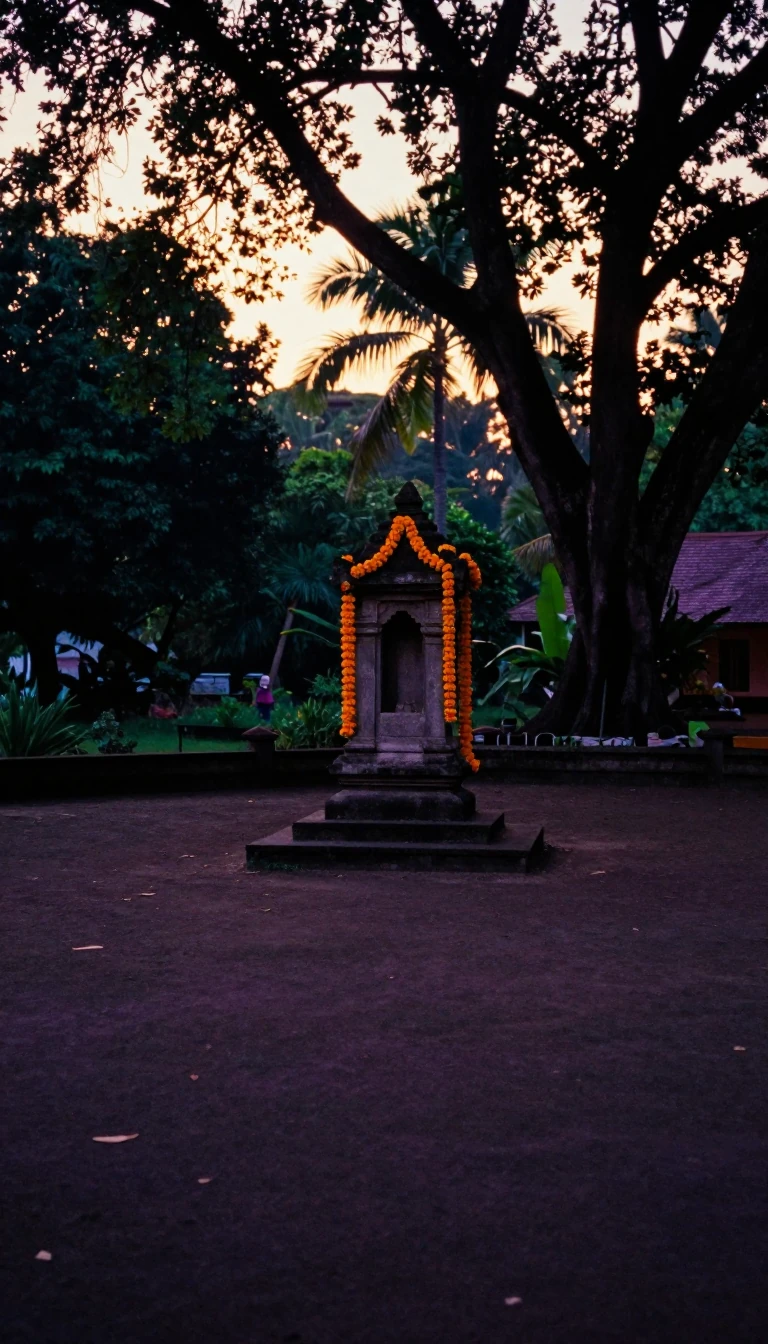
In short: Once a modest market center for the royal palaces of Badung, Denpasar has transformed into the bustling capital of Bali. While tourism drives its modern economy, the city remains a complex intersection of ancient Balinese traditions, colonial history, and the rapid, often unplanned, urban expansion of the twenty-first century.
The name Denpasar, derived from the Balinese words for north and market, reveals its humble origins as a trading hub at the site of the modern Kumbasari Market. Founded by I Gusti Ngurah Made Pemecutan, the city was once the seat of the Hindu Majapahit Kingdom of Badung. During the 18th and 19th centuries, the city's layout was defined by the political influence of local palaces, with the royal residence serving as the central anchor of the urban environment.
The city's trajectory shifted dramatically during the 20th century. In 1906, Dutch colonial forces razed the royal palace, an event memorialized by a statue in Taman Puputan, where the King and his court famously chose mass suicide over surrender. Following the colonial period, Denpasar evolved into an administrative center, officially becoming the capital of Bali province in 1958. By 1992, it gained full administrative independence from the surrounding Badung Regency, solidifying its role as a primary gateway for the island.
Today, Denpasar serves as the core of the Sarbagita metropolitan area, a region encompassing Denpasar, Badung, Gianyar, and Tabanan. While tourism and trade dominate its gross regional domestic product, the city faces the challenges of rapid, unplanned development. Despite the rise of modern shop houses and gated residential projects, the traditional market square remains a vital cultural fixture. The city continues to balance its indigenous heritage with the pressures of global competition, particularly in its craft industry, which struggles to match the industrial-scale production of neighboring Asian nations.
Demographically, Denpasar is a diverse melting pot, with a majority Hindu population alongside significant Muslim, Christian, and Buddhist communities. Although population growth was once expected to surpass one million residents by 2020, the COVID-19 pandemic and travel restrictions led to a notable decline. As of late 2024, the city's population was estimated at 670,210, reflecting the volatile nature of a city that acts as the primary economic engine for the entire province of Bali.
Opens the Intellect+ feed with this card first. Swipe up for the next one.
Sources
- Summary by Intellect · source: Denpasar
- Also: Wikidata — Denpasar · CC0
- Also: Wikidata — Denpasar · CC0
To cite this card, link to https://intellectplus.co.uk/app/places-denpasar.
How we source, check and correct cards: Editorial standards.
General information, not professional advice. Spotted an error? Flag the card or see corrections and complaints.
Intellect Plus is a visual educational discovery platform for exploring fascinating facts and ideas. Brain Food, Not Brain Rot. What is Intellect Plus?
Related
More in Cities · More in Countries & Cities · Latest · A–Z · All topics
