Jayapura: A City of Victory Built on Ancient Trade and Colonial Ambition
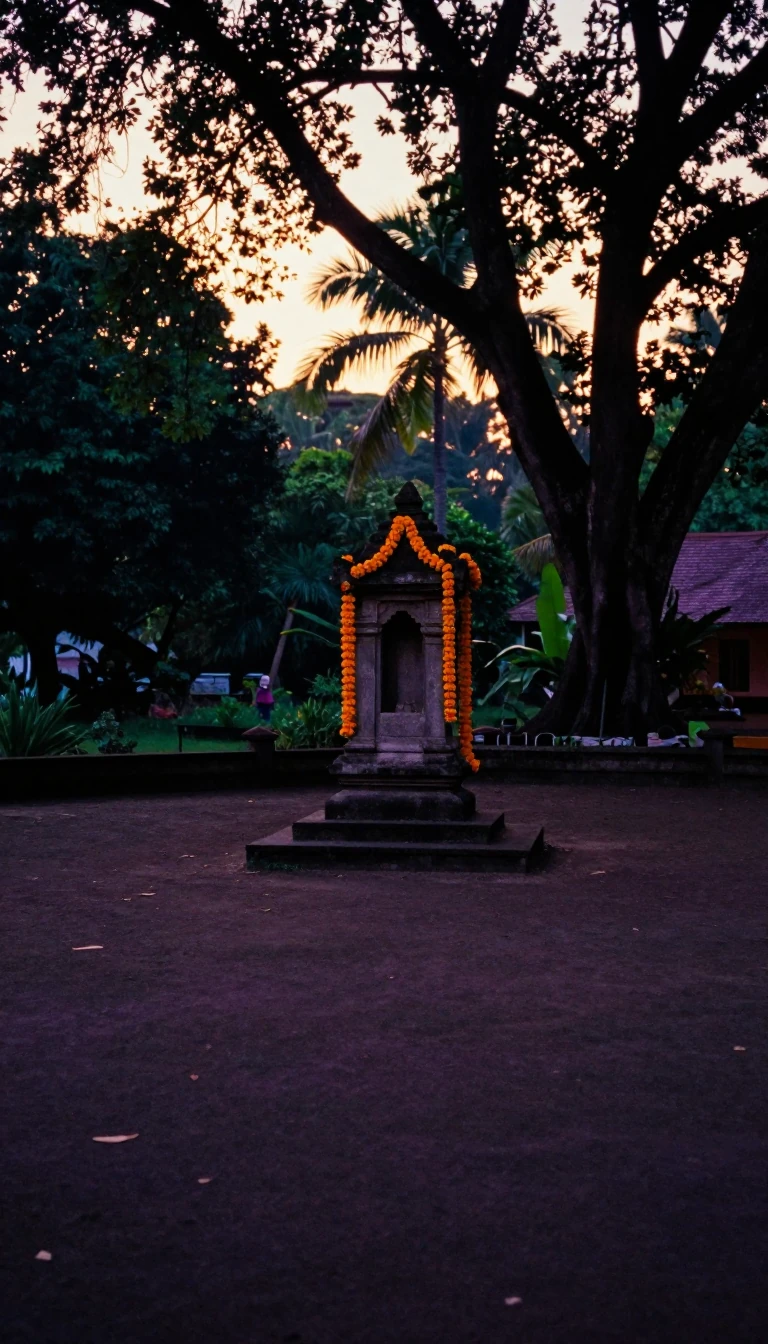
In short: Once a quiet trading hub for bird-of-paradise and spices, Jayapura has transformed into a bustling Indonesian capital. From its Dutch colonial roots as Hollandia to its current status as a magnet for migrants, this city on the edge of New Guinea balances rapid modernization with deep-seated indigenous traditions.
Before it was Jayapura—a Sanskrit name meaning 'city of victory'—the region was known as Numbay. Between 1897 and 1905, it served as a vibrant center for barter trade, where local tribes exchanged spices, salted fish, and bird-of-paradise feathers. By 1849, the area was a tributary of the Tidore Sultanate, led by tribal chiefs known as ondoafi. This history remains visible in the city's geography, including the Kloofkamp district, which marks the site of a 1909 Dutch naval camp established to define colonial borders.
The city’s identity shifted dramatically in the 20th century. During World War II, it became a strategic military powerhouse; after Allied forces captured the area in 1944, it served as General Douglas MacArthur’s headquarters. Over 500,000 U.S. personnel passed through the region, which hosted more than 20 military bases. Following the war, the city cycled through several names—Hollandia, Kota Baru, and Sukarnopura—before settling on its current title in 1968 as part of a national de-Sukarnoization effort.
Today, Jayapura is a complex urban center with a population of over 410,000. While it boasts a very high Human Development Index of 0.801, it faces significant economic disparities. Indigenous residents of Port Numbay often rely on subsistence activities, struggling to compete with the modern trade and service sectors dominated by settlers from across Indonesia. Despite these challenges, the city remains a vital cultural and economic hub, home to the celebrated Persipura football club and a growing tourism industry that seeks to leverage the region's unique coastal beauty.
Looking ahead, the city is planning major infrastructure projects to connect its isolated terrain. A proposed 400-kilometer railway to Sarmi is slated for completion by 2030, with potential future extensions to Manokwari and Sorong. As the city grows, calls to rename it to 'Numbay' or 'Kota Tabi' continue to gain traction among citizens and academics, reflecting a desire to honor the local Kayo Pulau heritage and the customary Tabi region.
Opens the Intellect+ feed with this card first. Swipe up for the next one.
Sources
- Summary by Intellect · source: Jayapura
- Also: Wikidata — Jayapura · CC0
- Also: Wikidata — Jayapura · CC0
To cite this card, link to https://intellectplus.co.uk/app/places-jayapura.
How we source, check and correct cards: Editorial standards.
General information, not professional advice. Spotted an error? Flag the card or see corrections and complaints.
Intellect Plus is a visual educational discovery platform for exploring fascinating facts and ideas. Brain Food, Not Brain Rot. What is Intellect Plus?
Related
More in Countries and other regions · More in Countries & Cities · Latest · A–Z · All topics
