How a private hunting estate became Europe's largest nature reserve
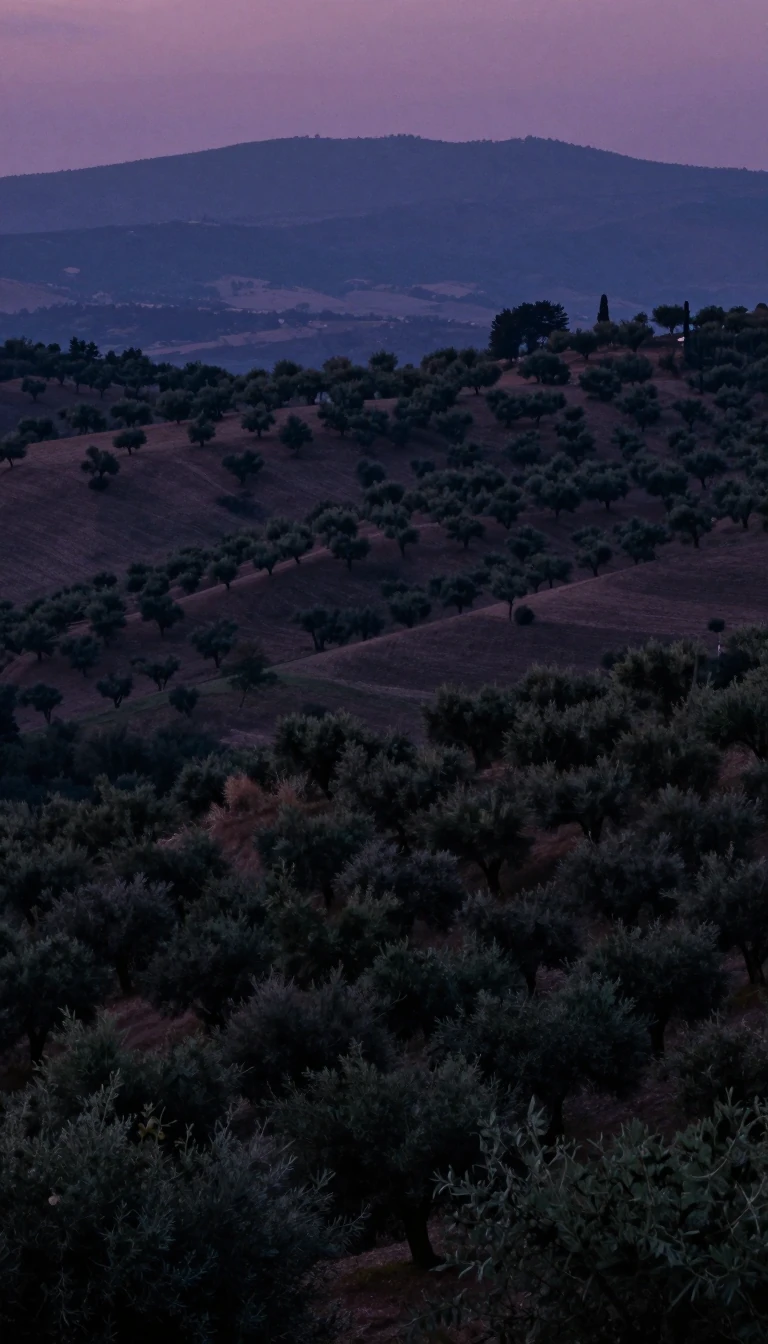
In short: Once a noble retreat for Spanish dukes and even King Philip IV, Doñana is now a vital ecological stronghold. This vast landscape of marshes and dunes serves as a critical bridge for thousands of migratory birds traveling between Europe and Africa.
The origins of Doñana are deeply tied to the House of Medina Sidonia. The park's name itself stems from Doña Ana de Silva y Mendoza, who resided at the 'Coto de Doña Ana' game preserve. For centuries, the area functioned as a royal hunting ground, with King Alfonso X establishing a preserve in the Las Rocinas forest as early as 1262.
The landscape is a geological masterpiece, shaped by thousands of years of shifting sediments. Following the last glacial period, the area evolved from freshwater and brackish marshes into its current form. Approximately 6,500 to 7,000 years ago, rising global sea levels flooded the region, creating a lagoon known to the Romans as Lacus Ligustinus. Over the subsequent 6,000 years, the gradual infilling of this lagoon created the complex system of marshes, sand dunes, and 'lucios'—temporary or permanent wetlands—seen today.
Conservation was not inevitable; it was a hard-fought victory. In the 1950s, the Spanish government proposed draining the wetlands for agriculture and eucalyptus plantations. A small group of scientists and landowners, including Mauricio González-Gordon y Díac, successfully lobbied the Franco regime to abandon these plans. This effort led to the establishment of the first preserve in 1963, followed by the National Park in 1969. Today, the site is a UNESCO World Heritage Site, protecting endangered species like the Iberian lynx and the Spanish imperial eagle from ongoing threats like water pollution and agricultural irrigation.
Opens the Intellect+ feed with this card first. Swipe up for the next one.
Sources
- Summary by Intellect · source: Doñana National Park
- Also: Wikidata — Doñana National Park · CC0
- Also: Wikidata — Doñana National Park (south-west Spain): geomorphological characterization through a soil-vegetation study · CC0
To cite this card, link to https://intellectplus.co.uk/app/places-do-ana-national-park.
How we source, check and correct cards: Editorial standards.
General information, not professional advice. Spotted an error? Flag the card or see corrections and complaints.
Intellect Plus is a visual educational discovery platform for exploring fascinating facts and ideas. Brain Food, Not Brain Rot. What is Intellect Plus?
Related
More in World Heritage Sites · More in Countries & Cities · Latest · A–Z · All topics
