How Roman soldiers built a thriving mountain metropolis on a rugged Algerian plateau
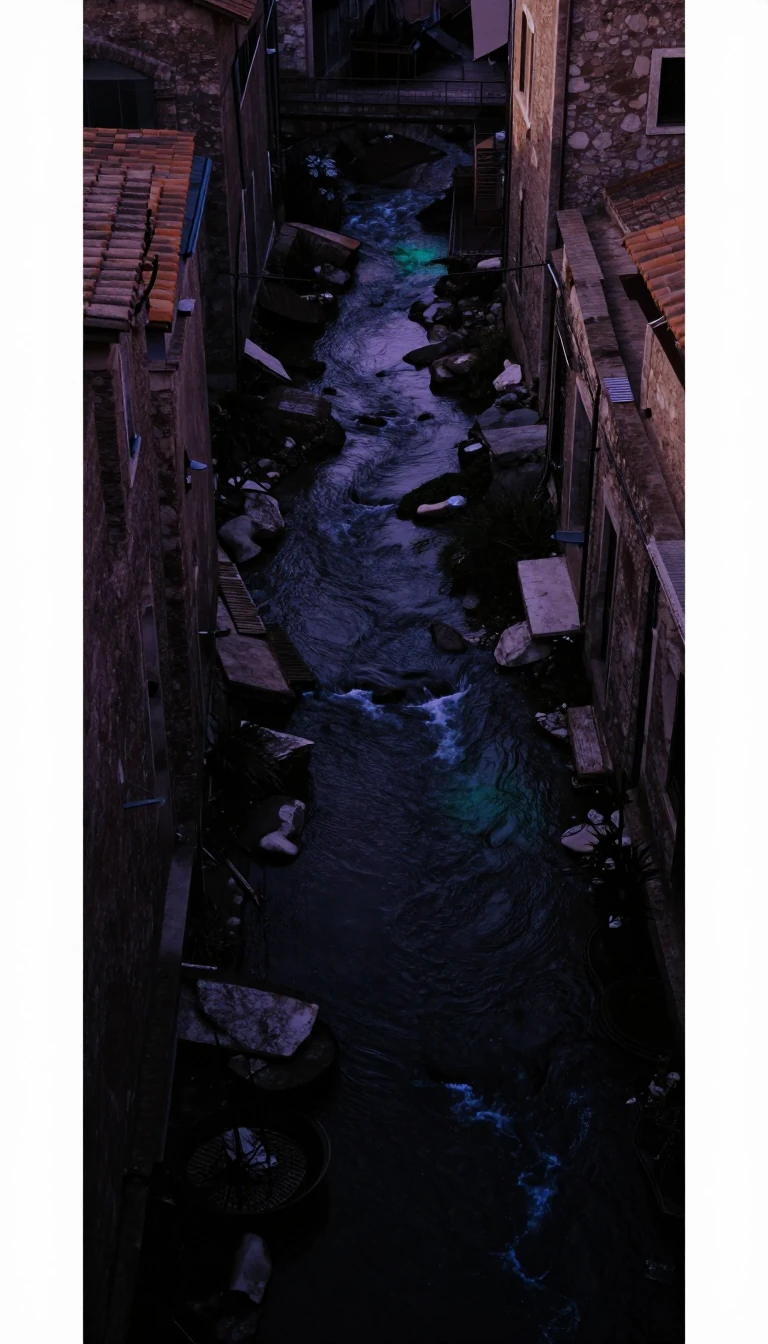
In short: Perched 900 metres above sea level, the ancient city of Cuicul stands as a masterclass in Roman urban adaptation. Originally a military outpost, this site evolved into a prosperous trading hub, eventually earning UNESCO recognition for its unique integration of classical architecture into a challenging, mountainous North African landscape.
Founded in the 1st century AD, Cuicul began as a garrison for Roman soldiers from Italy. Its location, a narrow, triangular plateau at the meeting point of two rivers, presented significant logistical hurdles for the city's planners. Despite the rugged terrain, they implemented a standard Roman layout, centered on a forum and two primary intersecting axes: the Cardo Maximus and the Decumanus Maximus. This rigid grid system was eventually softened by the necessity of the landscape, leading to architectural innovations like the placement of the theatre outside the city walls.
The city reached a peak of prosperity as a market center, fueled by local agricultural production of cereals and olives. During the 3rd century, under the reign of Caracalla, the city underwent a major expansion. Administrators demolished older ramparts to construct a new, more imposing forum surrounded by grander edifices. By the 4th century, the city had shifted significantly toward Christianity. This religious transition left a lasting mark on the site, as seen in the later development of a dedicated ecclesiastical quarter featuring three basilicas, a baptistery, and auxiliary baths.
Following the collapse of the Roman Empire in the 5th and 6th centuries, the city saw a slow decline, despite minor defensive reinforcements under Justinian I. When the region later came under Muslim control, the site remained largely unoccupied and was renamed Djémila, meaning 'beautiful' in Arabic. Today, the ruins serve as a vital record of Romanized African history, having produced several notable governors who served across the empire, including Lucius Alfenus Senecio and Gaius Valerius Pudens. The site remains a titular see for the Catholic Church, preserving the legacy of its former bishops who once participated in major councils from Carthage to Constantinople.
Opens the Intellect+ feed with this card first. Swipe up for the next one.
Sources
- Summary by Intellect · source: Djémila
To cite this card, link to https://intellectplus.co.uk/app/places-dj-mila.
How we source, check and correct cards: Editorial standards.
General information, not professional advice. Spotted an error? Flag the card or see corrections and complaints.
Intellect Plus is a visual educational discovery platform for exploring fascinating facts and ideas. Brain Food, Not Brain Rot. What is Intellect Plus?
Related
More in World Heritage Sites · More in Countries & Cities · Latest · A–Z · All topics
