The invisible spine of motion: how drive shafts bridge the gap
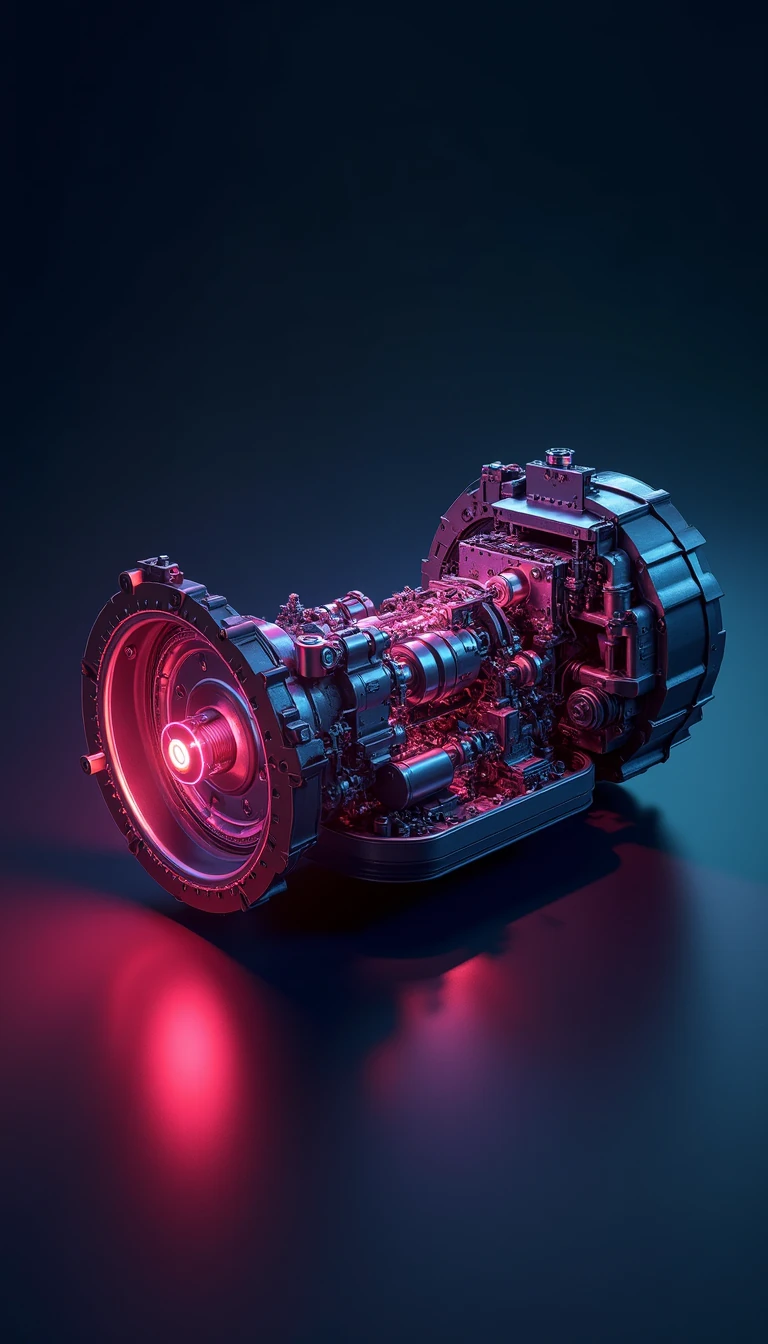
In short: Most vehicles cannot connect their engines directly to their wheels because of distance or geometry. The solution is a mechanical lifeline called a drive shaft. It carries torque and rotation across gaps, navigating complex angles and stresses to turn raw power into forward movement.
A drive shaft—also known as a propeller shaft or Cardan shaft—is the essential component for transmitting mechanical power between drivetrain parts that cannot be directly connected. These shafts are engineered to handle significant torsion and shear stress, which is the difference between input torque and the load. To maintain efficiency, they must be strong enough to bear these forces without adding excessive weight, as extra mass increases rotational inertia.
Because vehicles rarely have perfectly aligned components, drive shafts frequently incorporate universal joints, jaw couplings, or rag joints to allow for variations in distance and orientation. In front-engine, rear-wheel-drive cars, two main systems dominate: the torque tube with a single joint and the more common Hotchkiss drive (known as Système Panhard) which uses multiple joints. Specialized designs also exist, such as the Porsche 'torque tube,' which fixes length and alignment to minimize reaction torque while allowing the engine to rev freely when decoupled from the wheels.
The engineering of these shafts varies wildly across industries. In motorcycles, shaft drives offer a clean, maintenance-free alternative to chains but require 90-degree gearing that can lose some power. On ships, they are called propeller shafts and must pass through hull seals while managing axial thrust via thrust blocks. Even in steam locomotives, 'quill drives' were used to allow shafts to slide lengthwise, enabling the machinery to navigate curves by varying its length.
While a standard automotive drive shaft typically lasts about 120,000 km (75,000 miles), failure can manifest as clicking, clunking, or intense vibration. Beyond transportation, these components are vital in industrial testing; they connect internal combustion engines to dynamometers to measure speed and torque accurately.
Opens the Intellect+ feed with this card first. Swipe up for the next one.
Sources
- Summary by Intellect · source: Drive shaft
- Also: Wikidata — drive shaft · CC0
To cite this card, link to https://intellectplus.co.uk/app/places-drive-shaft.
How we source, check and correct cards: Editorial standards.
General information, not professional advice. Spotted an error? Flag the card or see corrections and complaints.
Intellect Plus is a visual educational discovery platform for exploring fascinating facts and ideas. Brain Food, Not Brain Rot. What is Intellect Plus?
Related
More in Bodies of water · More in Countries & Cities · Latest · A–Z · All topics
