How an ancient engineering marvel manages rivers without using a single dam
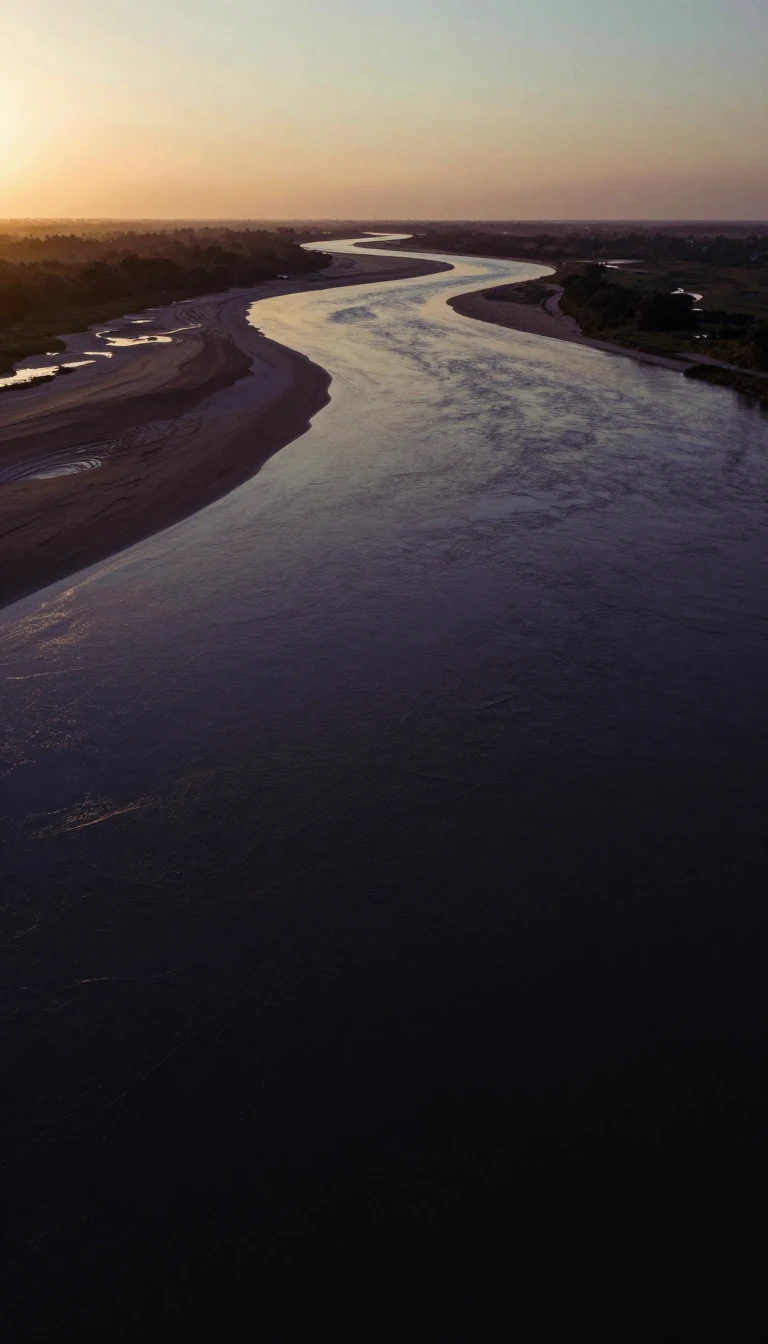
In short: Over 2,250 years ago, engineers faced a deadly cycle of floods and silt in the Chengdu plains. Instead of building a dam, they harnessed the river's natural flow. This ingenious hydraulic system still functions perfectly today, irrigating massive stretches of farmland across the Sichuan basin.
The Dujiangyan irrigation system, located in the western Chengdu plains at the junction of the Sichuan basin and the Qinghai-Tibet plateau, was originally constructed around 256 BC. During the Warring States period, the Minjiang River caused devastating annual floods. The river would rush down from the Min Mountains and then slow abruptly upon reaching the Chengdu Plain, causing the watercourse to fill with silt and making the region extremely prone to flooding.
Li Bing, a Qin hydrologist, solved this by dividing and channeling the water instead of using a dam. This method was vital as the Qin required an open route for military ships to supply frontier troops. Workers built a fish-mouth shaped levee using stone-filled, sausage-like bamboo baskets called Zhulong, secured by wooden Macha tripods. This specific levee took four years to complete.
The current setup includes the irrigated zone and the Weir Works—specifically the Feishayan Floodgate, the Yuzui Bypass Dike, and the Baopingkou Diversion Passage. These components, along with ancillary embankments like the Baizhang Dike, ensure a regular water supply. Today, the system remains in use, irrigating 668,700 hectares of farmland. Its longevity is remarkable; despite the Sichuan earthquake on May 12, 2008, the irrigation system remained basically undamaged.
Beyond its engineering, the site is deeply connected to the spiritual landscape. Mount Qingcheng, located to the south of the system, is the birthplace of Taoism, founded by the philosopher Zhang Ling in 142 CE. Both the irrigation system and the mountain were inscribed on the UNESCO World Heritage List in 2000.
Opens the Intellect+ feed with this card first. Swipe up for the next one.
Sources
- Summary by Intellect · source: Mount Qingcheng and the Dujiangyan Irrigation System
- Also: Dujiangyan
To cite this card, link to https://intellectplus.co.uk/app/places-dujiangyan.
How we source, check and correct cards: Editorial standards.
General information, not professional advice. Spotted an error? Flag the card or see corrections and complaints.
Intellect Plus is a visual educational discovery platform for exploring fascinating facts and ideas. Brain Food, Not Brain Rot. What is Intellect Plus?
Related
More in World Heritage Sites · More in Countries & Cities · Latest · A–Z · All topics
