From Norman Fortress to Georgian Palace: The Many Lives of Dublin Castle
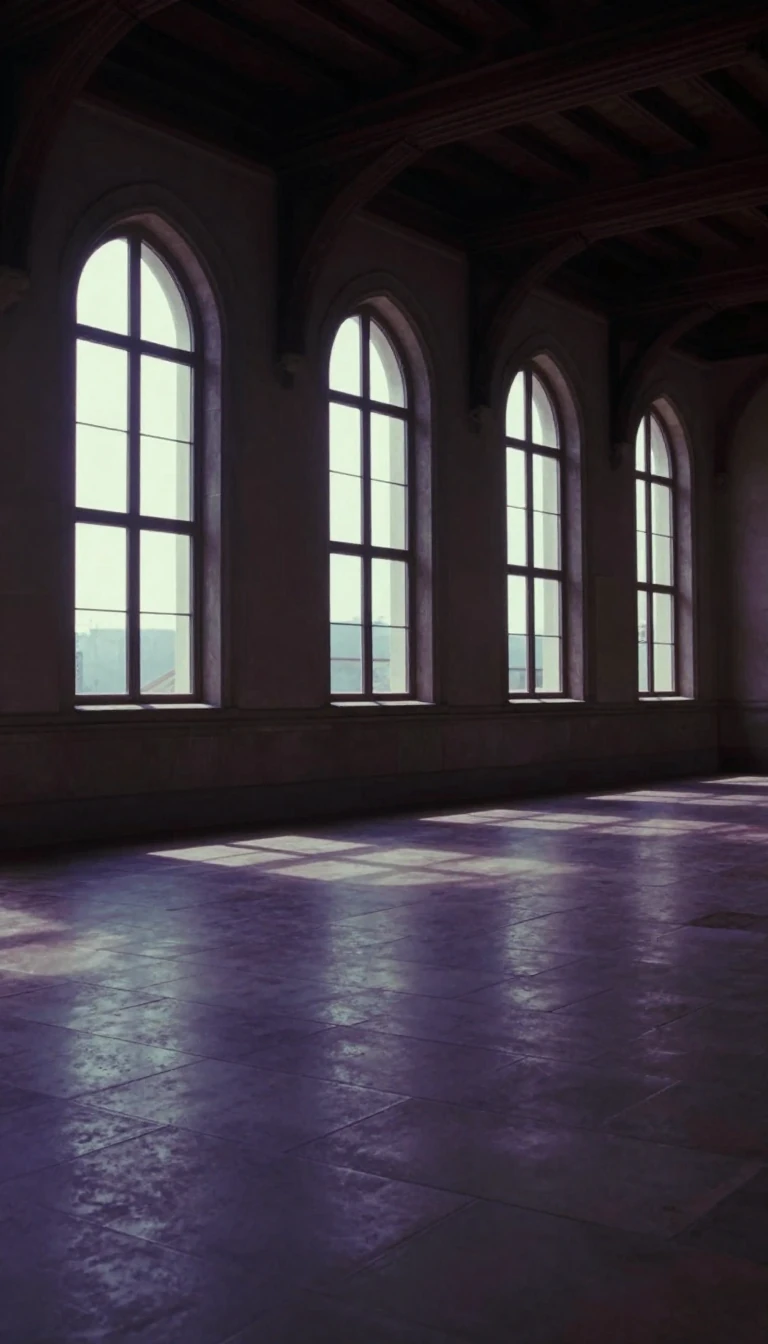
In short: Dublin Castle began as a 13th-century defensive fortification built on a dark pool, but it evolved into a Georgian palace that served as the nerve centre of British rule in Ireland. Today, it hosts presidential inaugurations and state visits, hiding centuries of political intrigue and architectural transformation beneath its surface.
Founded in 1204 by Meiler Fitzhenry under orders from King John of England, Dublin Castle was originally a typical Norman courtyard design. It featured tall defensive walls and circular towers, strategically positioned to protect the city and the King's treasure. The site was chosen for its location at the highest point of central Dublin, using the River Poddle as a natural defensive barrier along two of its sides. By 1230, the structure was largely complete, though little of this medieval fortress remains above ground today, save for the Record Tower.
The castle's character shifted dramatically from the late 17th century onward. Following severe fire damage in 1684, the site was rebuilt as a Georgian palace. It served as the seat of British administration in Ireland until 1922, when it was ceremonially handed over to the Provisional Government led by Michael Collins. Throughout its history, the complex has functioned as a military garrison, a site for law courts, and a prison for political figures like Joseph Holt, who was incarcerated in the Bermingham Tower before his 1799 transportation.
Today, the castle is managed by the Office of Public Works and serves as a venue for state ceremonies, including the inauguration of the President of Ireland, a tradition established with Douglas Hyde in 1938. The State Apartments, once the residence of the Lord Lieutenant, now house an accredited museum and host official engagements. Despite modern additions like the controversial 1970s office block, the site remains a layered historical record, with buried medieval archways and 18th-century interiors that tell the story of Ireland's complex political evolution.
Opens the Intellect+ feed with this card first. Swipe up for the next one.
Sources
- Summary by Intellect · source: Dublin Castle
- Also: Wikidata — Dublin Castle · CC0
- Also: Wikidata — Dublin Castle · CC0
To cite this card, link to https://intellectplus.co.uk/app/places-dublin-castle.
How we source, check and correct cards: Editorial standards.
General information, not professional advice. Spotted an error? Flag the card or see corrections and complaints.
Intellect Plus is a visual educational discovery platform for exploring fascinating facts and ideas. Brain Food, Not Brain Rot. What is Intellect Plus?
Related
More in World Heritage Sites · More in Countries & Cities · Latest · A–Z · All topics
