Why Mexico’s rugged Durango state became the unlikely backdrop for Hollywood’s greatest Western films.
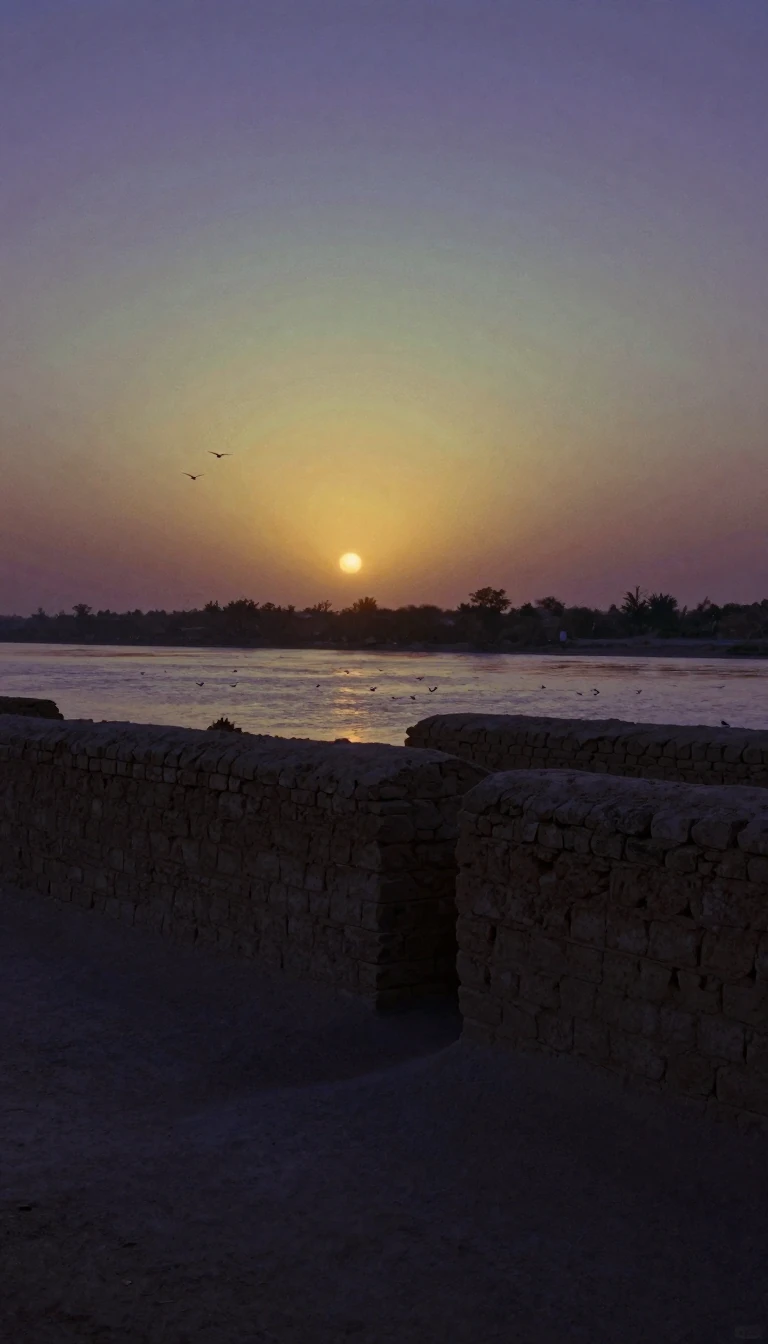
In short: Durango is a land of extremes, defined by the towering Sierra Madre Occidental and vast, arid deserts. While known for its mining history and scorpion-themed souvenirs, the state earned the title Land of the Cinema by offering Hollywood the perfect, sun-drenched landscapes to replicate the American Old West.
Durango, a landlocked state in northwest Mexico, covers over 12 million hectares. Its geography is dominated by the Sierra Madre Occidental, which accounts for two-thirds of the territory and creates a dramatic divide between the humid, ravine-filled Quebradas region and the semi-arid plains of the northeast. This rugged terrain, characterized by deep canyons and high-altitude pine forests, has historically isolated the state, limiting economic development while preserving a frontier reputation.
The state's cinematic identity began in 1897 when Thomas Edison sent a crew to film daily life, but it exploded in the mid-20th century. Between 1954 and 1964, thirteen major productions were shot here, drawing stars like John Wayne and Audrey Hepburn. The appeal was twofold: the landscape’s uncanny resemblance to the American West and the region’s consistent, high-quality natural light. By the 1970s, Durango was a production powerhouse, hosting 86 films in that decade alone. Though the decline of the Western genre in the 1980s slowed production, the state remains a living set, with many original structures still standing.
Beyond film, Durango’s economy remains rooted in its natural resources. It is Mexico’s primary timber producer, holding an estimated 410 million cubic meters of timber stock. Mining, which first drew Spanish settlers in the 18th century, continues to be vital, with significant deposits of gold, silver, iron, and mercury. Agriculture is largely concentrated in the central valleys, where irrigation from rivers like the Nazas supports crops and cattle, though the state’s rural nature means that 35% of the population remains scattered across thousands of tiny, isolated villages.
Culturally, Durango balances its colonial history with deep indigenous roots. It is home to Tepehuán, Huichol, Tarahumara, and Mexicanero groups, many of whom maintain Uto-Aztecan languages. Meanwhile, the state has embraced a more unusual symbol of pride: the scorpion. Once feared, these arachnids are now a staple of local tourism, appearing in everything from acrylic-encased souvenirs to culinary delicacies in the capital’s markets.
Opens the Intellect+ feed with this card first. Swipe up for the next one.
Sources
- Summary by Intellect · source: Durango
- Also: Wikidata — Durango · CC0
- Also: Wikidata — Durango · CC0
To cite this card, link to https://intellectplus.co.uk/app/places-durango.
How we source, check and correct cards: Editorial standards.
General information, not professional advice. Spotted an error? Flag the card or see corrections and complaints.
Intellect Plus is a visual educational discovery platform for exploring fascinating facts and ideas. Brain Food, Not Brain Rot. What is Intellect Plus?
Related
More in Regions and country subdivisions · More in Countries & Cities · Latest · A–Z · All topics
