The Sierra Madre Oriental is a massive, folded mountain range defining Mexico's eastern landscape.
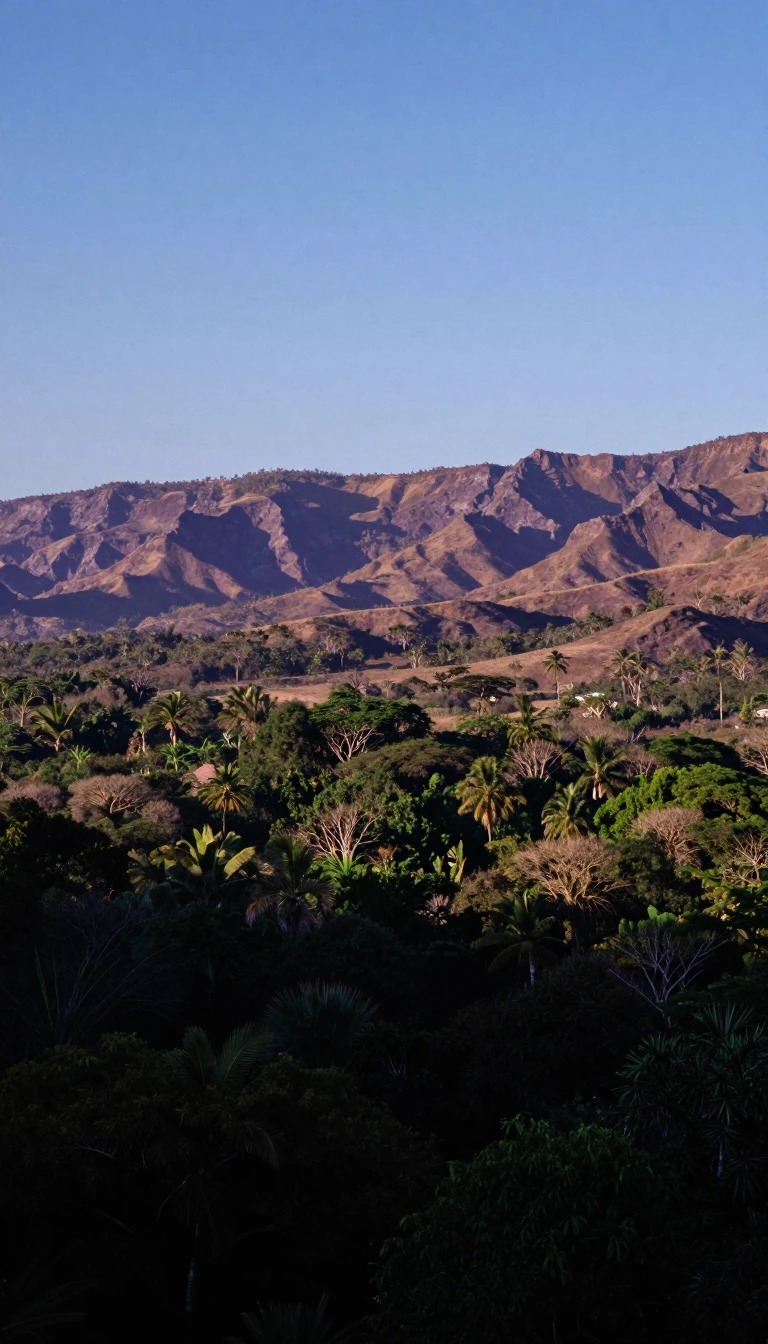
In short: Running parallel to the Gulf of Mexico, this vast mountain system acts as a rugged gateway between coastal lowlands and the central Mexican Plateau. Composed of ancient sedimentary rock, these peaks reach heights exceeding 12,000 feet, creating a diverse ecological corridor that spans from arid northern scrublands to lush southern forests.
The Sierra Madre Oriental is a prominent feature of the American Cordillera, a continuous chain of ranges forming the western backbone of the Americas. Stretching approximately 1,000 kilometres from the Rio Grande border, the range serves as a critical geographic barrier. It is primarily composed of folded shales and limestones dating back to the Cretaceous Period, with its current dramatic relief shaped by a complex history of tectonic uplift, faulting, and persistent erosion.
The range is not merely a wall of stone but a complex ecological transition zone. At its highest point, Cerro El Potosí reaches 3,721 metres above sea level. The lower slopes are often cloaked in pine and oak forests, while the northern sections are significantly drier, characterized by arid shrublands. This climatic gradient supports a high degree of biodiversity, including endemic species and critical habitats for migratory monarch butterflies. The range also features unique landmarks like the Huasteca Canyon and the 82-foot Cola de Caballo waterfalls.
Beyond its geological significance, the Sierra Madre Oriental plays a vital role in regional weather patterns. In the northern reaches, the mountains orographically intensify thunderstorm activity, occasionally spawning severe hail and tornadoes that move eastward into Texas. Despite its natural grandeur, the region faces ongoing environmental pressures. Centuries of logging and livestock grazing have significantly reduced original habitats, though protected areas like the Cumbres de Monterrey National Park and the El Cielo Biosphere continue to preserve essential temperate cloud forests and tropical moist forests.
The range is often viewed as a geological extension of the Rocky Mountains, separated by the Rio Grande but continuing into the United States as the Davis and Guadalupe Ranges. By enclosing the central Mexican Plateau alongside the Sierra Madre Occidental, the Sierra Madre Oriental dictates the movement of people and wildlife, serving as both a formidable physical obstacle and a rich, biodiverse sanctuary that remains central to the physiography of Mexico.
Opens the Intellect+ feed with this card first. Swipe up for the next one.
Sources
- Summary by Intellect · source: Sierra Madre Oriental | mountain range, North America | Britannica
- Also: Sierra Madre Oriental
To cite this card, link to https://intellectplus.co.uk/app/places-sierra-madre-oriental.
How we source, check and correct cards: Editorial standards.
General information, not professional advice. Spotted an error? Flag the card or see corrections and complaints.
Intellect Plus is a visual educational discovery platform for exploring fascinating facts and ideas. Brain Food, Not Brain Rot. What is Intellect Plus?
Related
More in Land relief · More in Countries & Cities · Latest · A–Z · All topics
