East Nusa Tenggara: An Ancient Archipelago Shaping Indonesia’s Modern Cultural and Economic Landscape
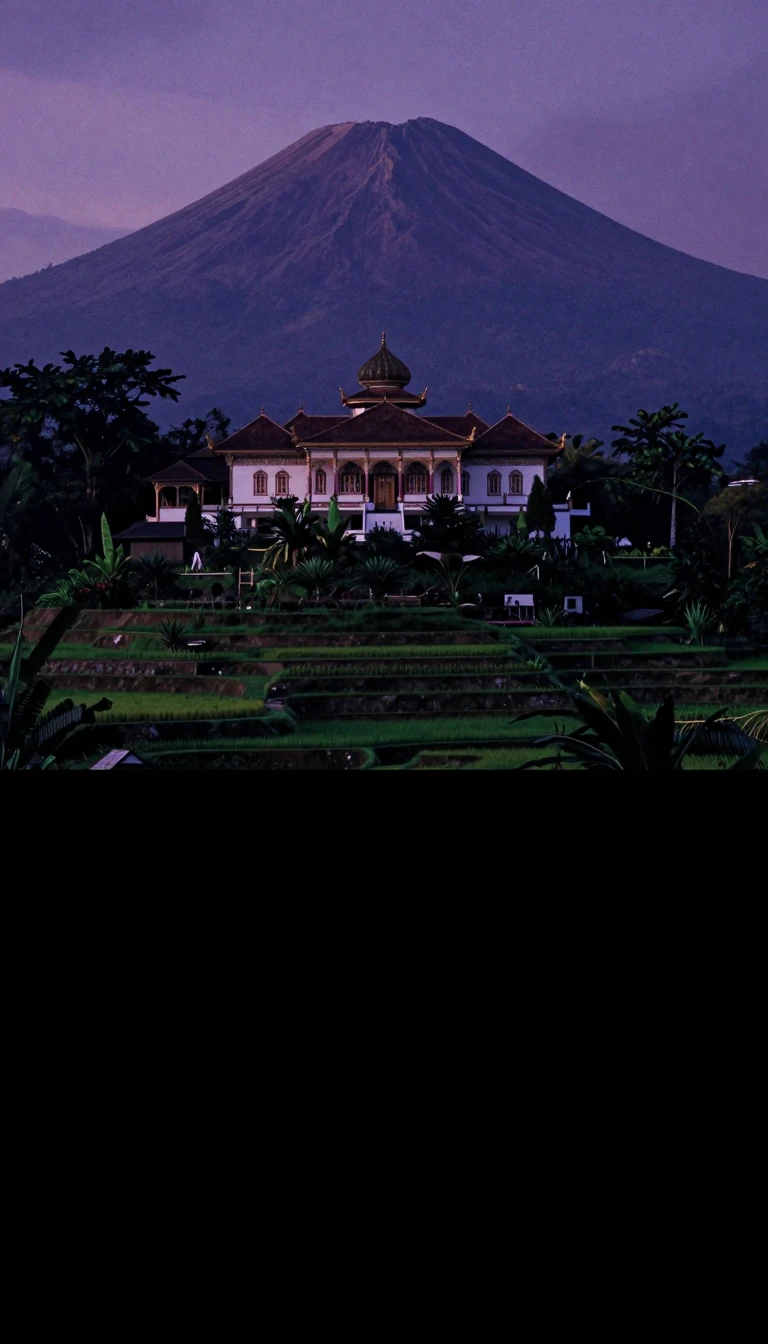
In short: Spanning hundreds of islands, East Nusa Tenggara is a province defined by both deep antiquity and modern administrative evolution. From the ancient remains of Homo floresiensis to its current status as a Catholic-majority stronghold, this rugged region balances subsistence traditions with a rapidly developing tourism and export-driven economy.
Located in the eastern Lesser Sunda Islands, East Nusa Tenggara is a geographically fragmented province comprising roughly 566 to 653 islands. Its landscape is dominated by Flores, Sumba, and the western portion of Timor, the latter sharing a land border with the nation of East Timor. The province's history is remarkably deep; archaeological evidence from the Liang Bua cave indicates human habitation dating back approximately 190,000 years, including the presence of Homo floresiensis.
Administratively, the province was established in 1958 alongside Bali and West Nusa Tenggara. Following the 1998 fall of the Suharto regime, the region underwent a significant period of administrative fragmentation known as pemekaran. Between 1999 and 2012, nine new regencies were carved out of existing ones, bringing the total to twenty-one regencies and the autonomous city of Kupang. This structure supports a population that reached approximately 5.74 million by mid-2025, though distribution remains uneven, with high density in urban centers like Kupang compared to remote outer islands.
Culturally and economically, the province is distinct. It is one of the few Indonesian provinces where Roman Catholicism is the predominant religion, a legacy of Portuguese and Dutch missionary work. Economically, the region relies on agriculture, forestry, and fisheries, with seaweed farming emerging as a vital export sector. Despite this, the province faces chronic poverty, driven by arid conditions, prolonged droughts, and limited infrastructure that restricts access to essential health and educational services.
Opens the Intellect+ feed with this card first. Swipe up for the next one.
Sources
- Summary by Intellect · source: East Nusa Tenggara
- Also: Wikidata — East Nusa Tenggara · CC0
- Also: Wikidata — East Nusa Tenggara II · CC0
To cite this card, link to https://intellectplus.co.uk/app/places-east-nusa-tenggara.
How we source, check and correct cards: Editorial standards.
General information, not professional advice. Spotted an error? Flag the card or see corrections and complaints.
Intellect Plus is a visual educational discovery platform for exploring fascinating facts and ideas. Brain Food, Not Brain Rot. What is Intellect Plus?
Related
More in Regions and country subdivisions · More in Countries & Cities · Latest · A–Z · All topics
