From Mughal manufacturing powerhouse to modern digital giant, India's economic journey is a complex evolution.
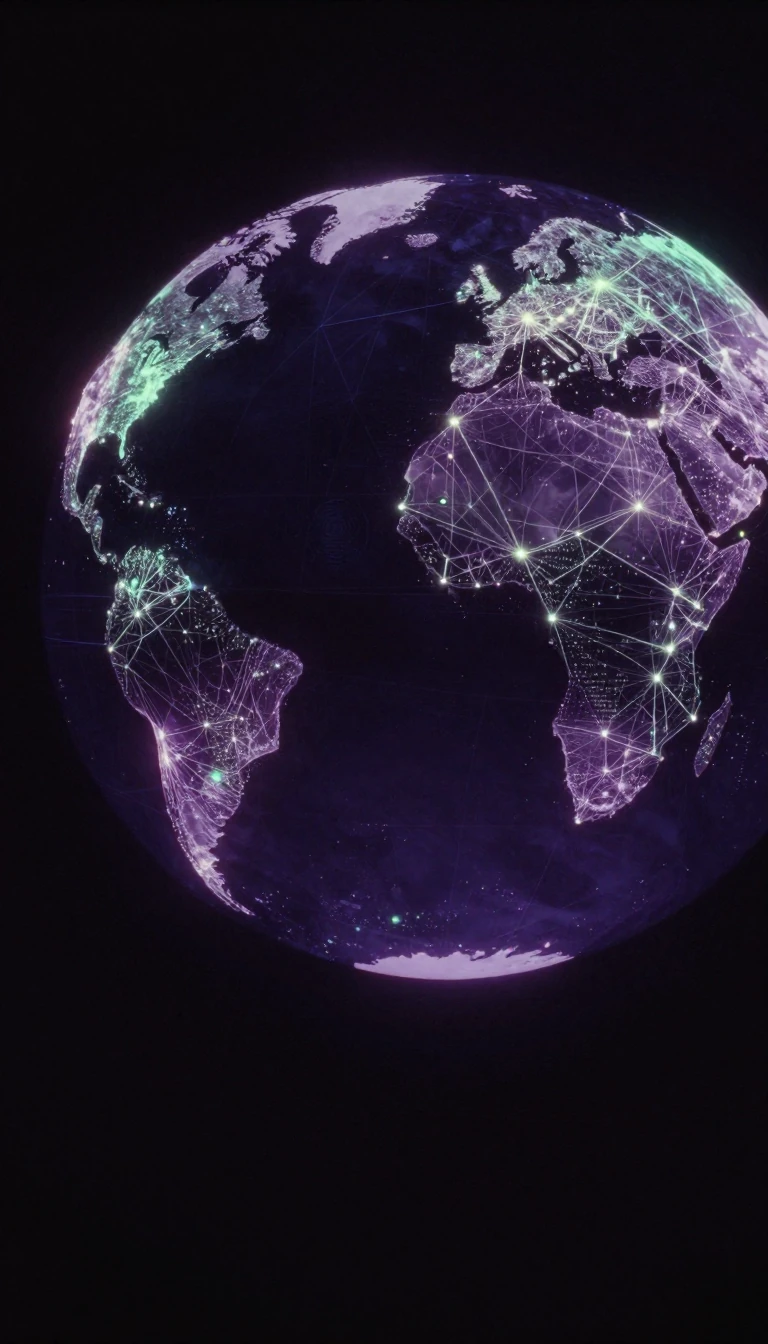
In short: Once the world's leading economy, India transitioned from colonial stagnation to a state-led industrial model, and finally to a market-oriented powerhouse. Today, it stands as the world's sixth-largest economy, driven by domestic consumption, a massive service sector, and a rapidly expanding digital landscape that is reshaping global trade.
For much of recorded history, the Indian subcontinent was a global economic titan. Under the Mughal Empire in the 17th century, India accounted for roughly a quarter of global industrial output, excelling in textiles, shipbuilding, and steel. This era was characterized by a sophisticated system of coined currency and centralized revenue policies. However, the onset of British colonialism in the 19th century triggered a long decline, as colonial policies favored raw material extraction and captive markets for British goods, causing India's share of the global economy to plummet from 24.4% in 1700 to just 4.2% by 1950.
Following independence in 1947, India adopted a model of Dirigism, heavily influenced by Soviet-style central planning and protectionism. Under leaders like Jawaharlal Nehru, the state nationalized strategic sectors, including mining and telecommunications, while imposing the 'Licence Raj'—a bureaucratic system requiring government approval for nearly all business decisions. Critics like B.R. Shenoy warned that this reliance on deficit financing and state-led industrialization would lead to chronic inflation and balance-of-payments pressures, a prediction that materialized during the 1991 crisis.
The 1991 collapse of the Soviet Union, India's primary trading partner, forced a radical pivot. Finance Minister Manmohan Singh initiated sweeping liberalizations, dismantling the Licence Raj and opening the economy to foreign investment. This shift catalyzed modern growth, with the service sector now accounting for about 55% of GDP. Today, India is the world's 'pharmacy,' producing over 60% of global vaccines by volume. While challenges remain—including the accuracy of economic data and the need for labor reform—the nation's digital economy is projected to exceed US$1 trillion by 2029, cementing its status as a fast-growing major economy.
Opens the Intellect+ feed with this card first. Swipe up for the next one.
Sources
- Summary by Intellect · source: Economy of India
- Also: Wikidata — economy of India · CC0
To cite this card, link to https://intellectplus.co.uk/app/places-economy-of-india.
How we source, check and correct cards: Editorial standards.
General information, not professional advice. Spotted an error? Flag the card or see corrections and complaints.
Intellect Plus is a visual educational discovery platform for exploring fascinating facts and ideas. Brain Food, Not Brain Rot. What is Intellect Plus?
Related
More in Countries and other regions · More in Countries & Cities · Latest · A–Z · All topics
