From imperial free enterprise to nationalized lands: the shifting tides of Ethiopia's economy
In short: Ethiopia’s economic journey has swung between extremes. Once a landscape of growing private enterprise under Haile Selassie I, it transformed into a state-controlled system under the communist Derg regime. Today, the nation navigates a complex transition, balancing massive hydroelectric ambitions with deep-seated challenges in land rights and poverty.
The mid-20th century under Emperor Haile Selassie I (reigned 1930–1974) saw a period of relative free enterprise. During this era, the production of coffee—Ethiopia's most vital export—was advanced, alongside the establishment of domestic manufacturing for textiles and footwear. However, the 1974 rise of the communist Derg regime fundamentally altered the nation's economic DNA. The state nationalized all means of production, including industry, housing, and farms. This shift created profound uncertainty regarding land rights, making smallholder subsistence farmers, who form the backbone of the agricultural sector, reluctant to produce surpluses for the market.
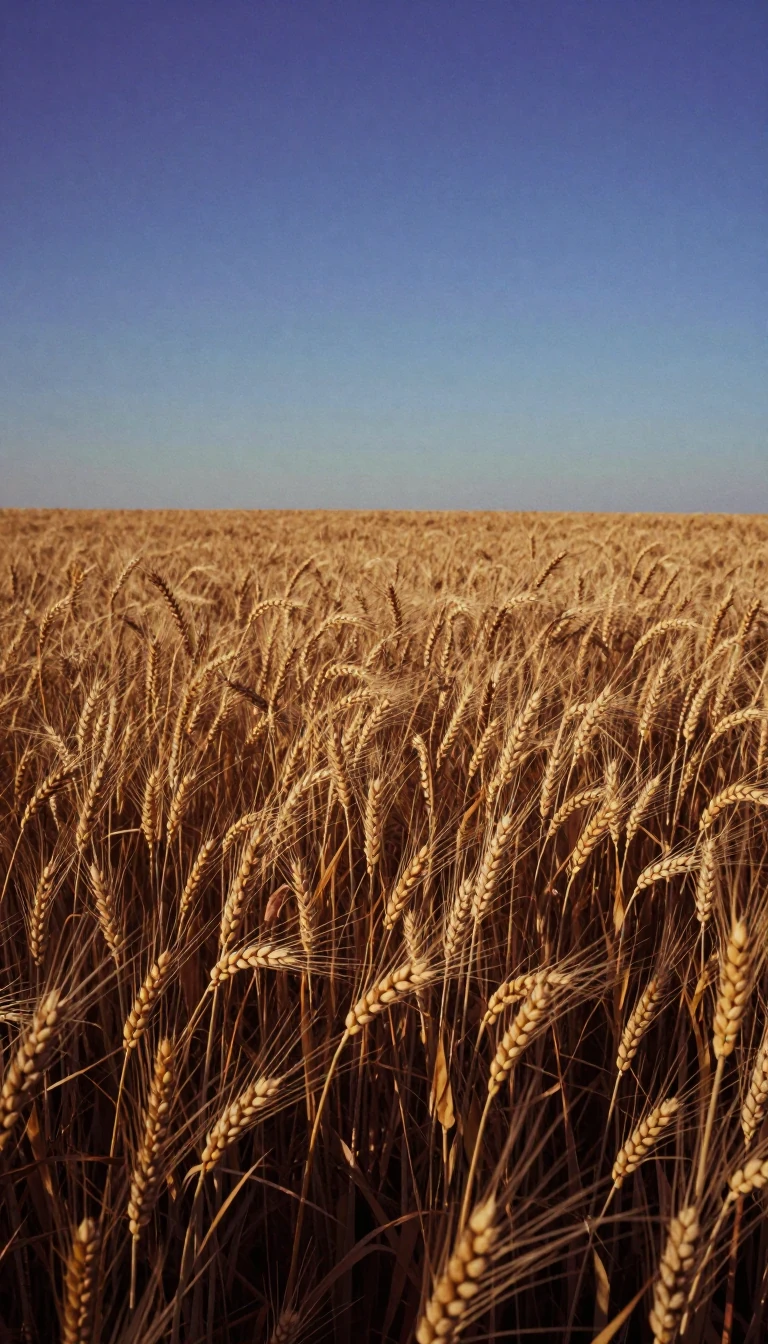
Agriculture remains the cornerstone of the Ethiopian economy, contributing nearly half of the national GDP. The sector is dominated by smallholder farmers managing plots of just 3 to 6 acres, producing staples like teff, wheat, and barley. While the country possesses significant livestock and vast potentially cultivable land, challenges like soil erosion and deforestation persist. In contrast, the mining sector remains a minor player, contributing less than 1% of GDP, with gold and tantalum being the only significant minerals.
Modern Ethiopia is pursuing a massive energy and infrastructure overhaul. The Grand Ethiopian Renaissance Dam (GERD), with construction beginning in 2011, represents a monumental shift. After power generation began in February 2022, capacity surged to 1,550 megawatts by August 2024, with a projected maximum of 5,150 megawatts upon its 2025 inauguration. While the government seeks to use this for export and rural access, the nation still faces significant hurdles. Despite a 9.2% GDP growth rate in FY2024/25, Ethiopia remains one of the world's poorest nations, with a per capita GDP of $979 and high levels of multidimensional poverty.
Opens the Intellect+ feed with this card first. Swipe up for the next one.
Sources
- Summary by Intellect · source: Ethiopia - Agriculture, Coffee, Trade | Britannica
- Also: Economy of Ethiopia
- Also: Ethiopia | World Bank Group
To cite this card, link to https://intellectplus.co.uk/app/places-economy-of-ethiopia.
How we source, check and correct cards: Editorial standards.
General information, not professional advice. Spotted an error? Flag the card or see corrections and complaints.
Intellect Plus is a visual educational discovery platform for exploring fascinating facts and ideas. Brain Food, Not Brain Rot. What is Intellect Plus?
Related
More in Countries and other regions · More in Countries & Cities · Latest · A–Z · All topics
