The Emperor Who Broke a Century of Imperial Seclusion in Feudal Japan
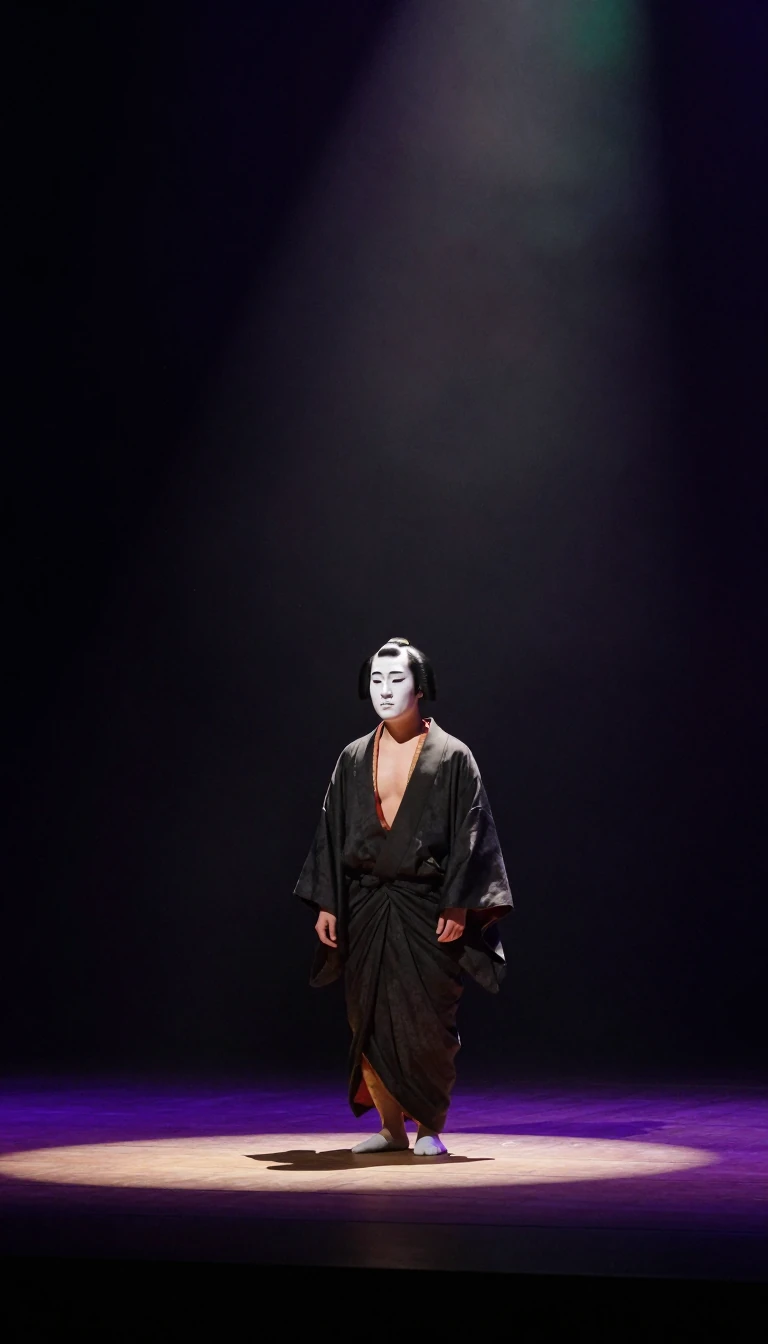
In short: Emperor Go-Yōzei reigned during a pivotal transition between the Azuchi-Momoyama and Edo periods. His life was marked by rare political shifts, including the first imperial public appearance in over sixty years. Beyond his diplomatic duties, he presided over a sprawling imperial household that included at least thirty-five children.
Born in 1571, the man who would become the 107th Emperor of Japan was originally named Katahito. His path to the throne was unconventional for the era; he ascended in 1586 after his grandfather, Emperor Ōgimachi, abdicated. This transition was historically significant, as it was the first imperial abdication since 1464. For over a century, such transfers of power had been virtually impossible due to the country's instability, a lack of dedicated residences for retired emperors, and a severe shortage of treasury funds.
Go-Yōzei’s reign coincided with the rise of the Tokugawa shogunate, navigating the complex power dynamics between figures like Toyotomi Hideyoshi and Tokugawa Ieyasu. In a striking break from tradition, Go-Yōzei and his father visited Hideyoshi’s mansion in Kyoto in 1588. This event marked the first time a Japanese emperor had appeared in public since 1521, signaling a rare moment of visibility for the Chrysanthemum Throne during a period of intense military consolidation.
The Emperor’s personal life was as expansive as his political era was transformative. Residing in the Dairi of the Heian Palace, Go-Yōzei fathered at least 35 children with various consorts and ladies-in-waiting. His lineage included his successor, Emperor Go-Mizunoo, as well as numerous princes and princesses who entered religious life or married into prominent noble families. His reign, which lasted until his abdication in 1611, remains a fascinating study of how the imperial institution survived and adapted amidst the shifting tides of the late 16th and early 17th centuries.
Opens the Intellect+ feed with this card first. Swipe up for the next one.
Sources
- Summary by Intellect · source: Emperor Go-Yōzei
- Also: Go-Yōzei
To cite this card, link to https://intellectplus.co.uk/app/places-emperor-go-y-zei.
How we source, check and correct cards: Editorial standards.
General information, not professional advice. Spotted an error? Flag the card or see corrections and complaints.
Intellect Plus is a visual educational discovery platform for exploring fascinating facts and ideas. Brain Food, Not Brain Rot. What is Intellect Plus?
Related
More in Countries and other regions · More in Countries & Cities · Latest · A–Z · All topics
