Angles gave England its name—and common law to half the world
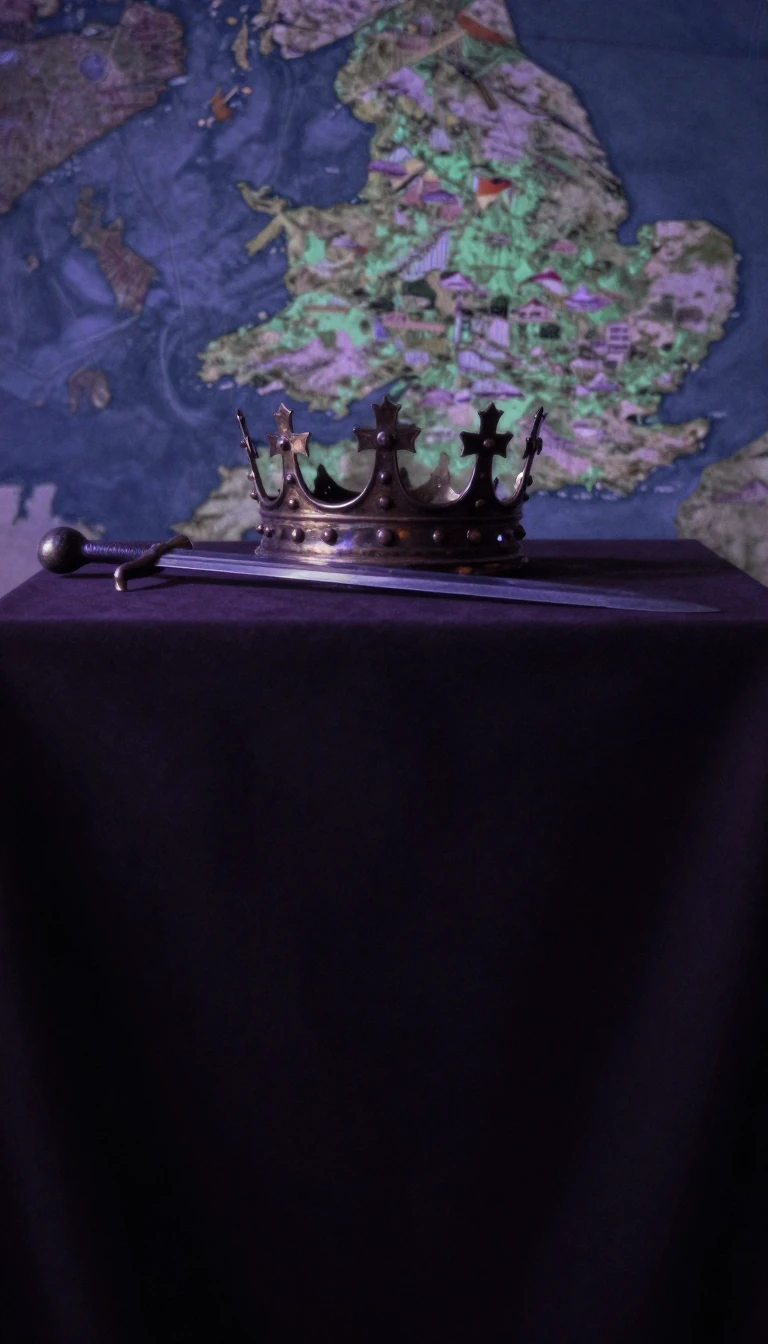
In short: England covers about 62 percent of Great Britain plus over a hundred lesser isles, bordering Scotland and Wales and facing North Sea, Channel, and Irish Sea. Named for Angles who settled in the fifth and sixth centuries, it unified in the tenth and exported English, common law, football, Anglicanism, and parliamentary habits worldwide.
Scotland lies to the north and Wales to the west, and the coasts face the North Sea, the Channel, the Celtic Sea and the Irish Sea, with mainland Europe to the south-east and Ireland beyond the western waters. The 2021 census counted 56,490,048 people, about 84 percent of the UK total, with nine million in London itself and more than 15 million in its wider metropolitan area by 2025. Most people live around London, the South East and the nineteenth-century industrial conurbations of Yorkshire, the Midlands and the north-west and north-east. Low hills and plains dominate the centre and south; higher ground, such as the Pennines, the Lake District, the Shropshire Hills and Dartmoor, lies north and west.
Modern humans first arrived in the Upper Paleolithic. The Angles came from Angeln, now in Schleswig-Holstein, and Tacitus first mentioned them as Anglii in his first-century Germania; their name may describe the peninsula's angular shape. Englaland, land of the Angles, is first recorded as Engla londe in a late-ninth-century Old English translation of Bede. Why the Angles rather than the Saxons named the country is unclear, but Scottish Gaelic Sasunn and Welsh Saesneg preserve the Saxon side.
A single kingdom emerged in the tenth century. Wales was joined to it from 1535, and on 1 May 1707 the Acts of Union merged it with Scotland as Great Britain.
Industrialisation began here in the eighteenth century, making it the first industrial nation. Oxford, founded in 1096, and Cambridge, in 1209, are the oldest universities in the English-speaking world, and English law became the model for common law systems in many countries.
Opens the Intellect+ feed with this card first. Swipe up for the next one.
Sources
- Summary by Intellect · source: England
- Also: Wikidata — England · CC0
To cite this card, link to https://intellectplus.co.uk/app/places-england.
How we source, check and correct cards: Editorial standards.
General information, not professional advice. Spotted an error? Flag the card or see corrections and complaints.
Intellect Plus is a visual educational discovery platform for exploring fascinating facts and ideas. Brain Food, Not Brain Rot. What is Intellect Plus?
Related
More in Countries and other regions · More in Countries & Cities · Latest · A–Z · All topics
