English cuisine is not a static tradition but a centuries-old experiment in global fusion.
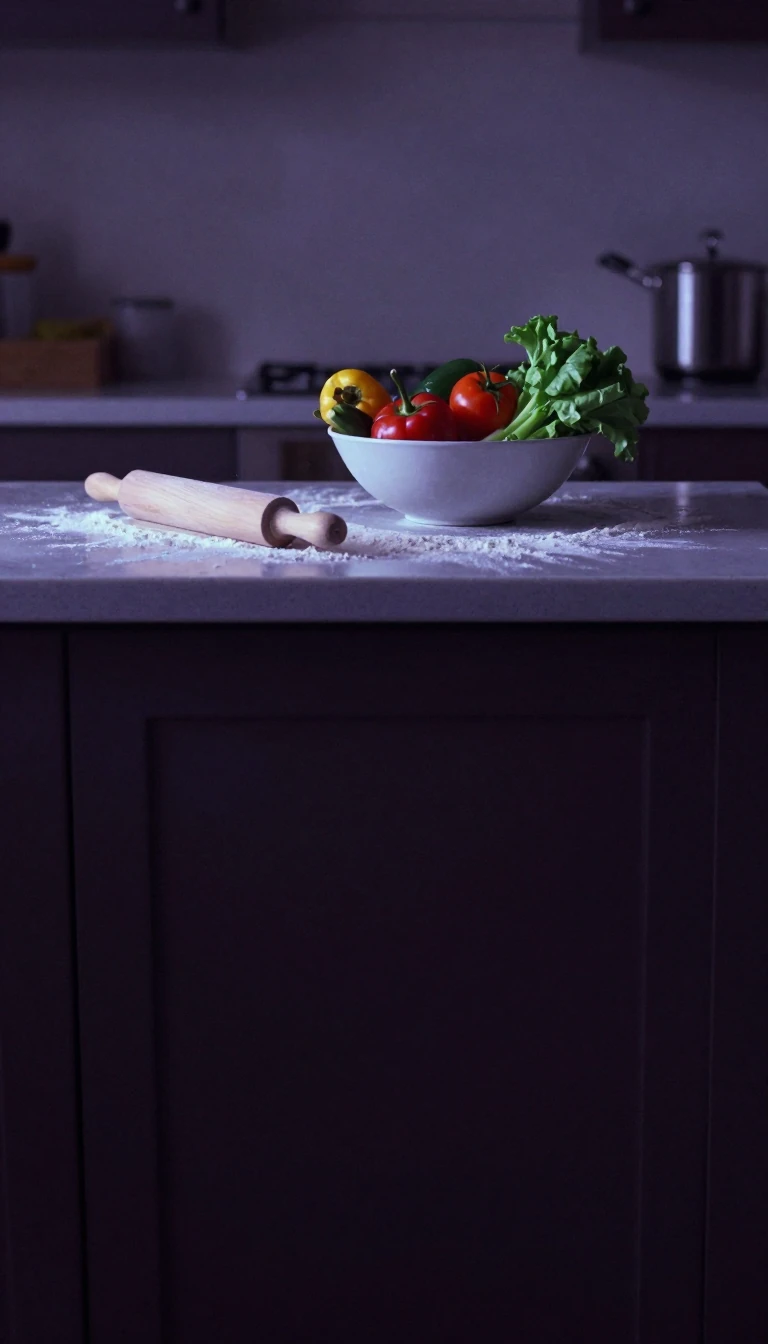
In short: Forget the myth of bland, meat-heavy meals. From medieval saffron-infused purées to the eighteenth-century adoption of curry, English cooking has always been a porous, evolving landscape. By absorbing ingredients from the Americas, India, and the Mediterranean, England has built a culinary identity defined more by constant adaptation than by rigid tradition.
The popular image of English food as merely large, unadorned roasts is a modern invention, often reinforced by cinema. In reality, medieval English cooking, as documented in the 1390 manuscript The Forme of Cury, was sophisticated and complex. Recipes from the court of Richard II frequently featured sweet and sour sauces, thickened with ground almonds or bread, and utilized exotic spices like ginger, cardamom, and cloves. Rather than solid roasts, many dishes were purées or stews, with nearly half of the recipes in the Beinecke manuscript focusing on these textures.
The evolution of the English kitchen has been driven by a long history of foreign influence. Spices were not used to mask spoiled meat—a dangerous myth—but to balance the salt required for preservation. By the sixteenth century, herbs like thyme began to replace spices, and the introduction of new ingredients from the Americas, such as sweet potatoes, started to reshape the national palate. The seventeenth century saw the arrival of tea, coffee, and chocolate, while the eighteenth century cemented the place of curry, which was adapted from Indian traditions to add depth to roasted meats.
The nineteenth century brought a shift toward systematization. Books like Isabella Beeton’s 1861 manual transformed cooking into a structured domestic science, though often by plagiarizing earlier works. Meanwhile, French influence remained a constant, shaping the techniques of celebrity chefs and the structure of formal menus. Even iconic dishes like fish and chips have complex, multicultural roots, with fried fish originating from Jewish traditions and chips from France. Today, the 'national' diet remains a fluid concept, as evidenced by the fact that curry—a staple for centuries—is now as quintessentially English as any traditional roast.
Opens the Intellect+ feed with this card first. Swipe up for the next one.
Sources
- Summary by Intellect · source: English cuisine
- Also: Wikidata — English cuisine · CC0
To cite this card, link to https://intellectplus.co.uk/app/places-english-cuisine.
How we source, check and correct cards: Editorial standards.
General information, not professional advice. Spotted an error? Flag the card or see corrections and complaints.
Intellect Plus is a visual educational discovery platform for exploring fascinating facts and ideas. Brain Food, Not Brain Rot. What is Intellect Plus?
Related
More in UK & Ireland: places · More in Countries & Cities · Latest · A–Z · All topics
