The only planet with a name not rooted in mythology
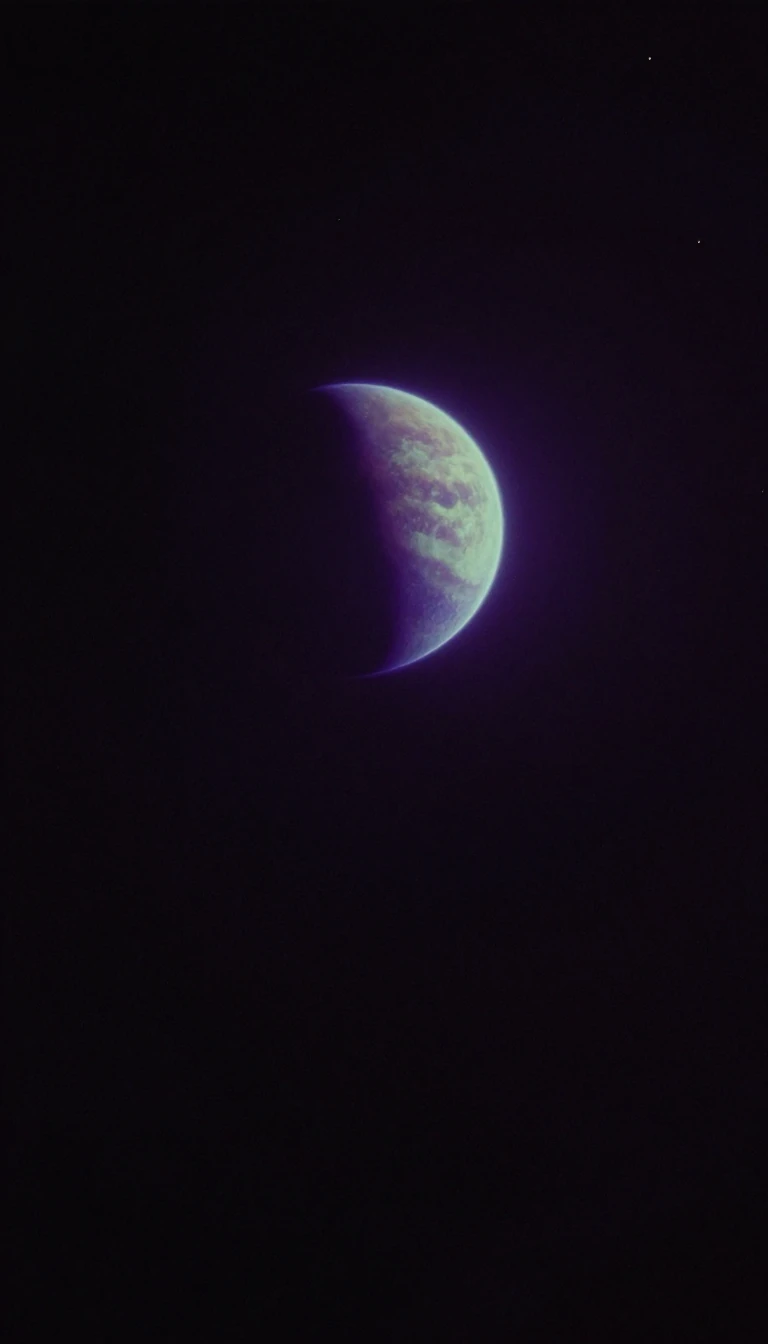
In short: While every other planet in our solar system bears the name of a Greek or Roman god, Earth stands alone. Its name is purely functional, derived from ancient Germanic and Old English words for the ground beneath our feet.
Earth's nomenclature sets it apart from its celestial neighbors. While planets like Mars or Jupiter are tied to classical mythology, 'Earth' stems from Old English and Germanic roots. This naming convention is about 1,000 years old and reflects a human perspective of the planet as 'the ground' rather than a divine entity.
Beyond its name, Earth is defined by its unique habitability. It is the only planet in our solar system known to harbor life, largely due to its hospitable temperature and chemical mix that allows liquid water to exist on the surface for extended periods. These vast oceans are believed to have provided a convenient starting point for life approximately 3.8 billion years ago. The planet's surface is mostly covered by liquid water, which fills low spots in the crust. This hydrosphere is one of several concentric layers that include the core and mantle. Scientists have used modern instruments to study these structures more deeply than any other planets.
The planet's physical dimensions also define its place in the cosmos. It is the fifth largest planet in the solar system and the largest of the four terrestrial planets closest to the Sun. It maintains an average distance of about 93 million miles from the Sun, a distance defined as one astronomical unit (AU). Earth completes a full orbit around its star every 365.25 days. Its rotation about its axis takes approximately 23.9 hours. The planet's tilt of 23.4 degrees relative to its orbital plane is what creates our seasonal cycles.
Our perception of Earth has evolved from philosophical debate to direct observation. While the Copernican revolution in the 16th century established a Sun-centered model, it wasn't until December 1968 that humans first witnessed the planet as a complete orb floating in space during the Apollo 8 mission. Before the space age, sea voyages provided practical evidence that our world was a globe. Galileo also used his telescope in the early 17th century to show other planets were spherical. Robotic probes in the 1990s later captured unique portraits of the planet from deep space.
Opens the Intellect+ feed with this card first. Swipe up for the next one.
Sources
- Summary by Intellect · source: Earth | Definition, Size, Composition, Temperature, Mass, & Facts | Britannica
- Also: Erath, Louisiana
- Also: NASA Science — Facts About Earth
To cite this card, link to https://intellectplus.co.uk/app/places-erath-louisiana.
How we source, check and correct cards: Editorial standards.
General information, not professional advice. Spotted an error? Flag the card or see corrections and complaints.
Intellect Plus is a visual educational discovery platform for exploring fascinating facts and ideas. Brain Food, Not Brain Rot. What is Intellect Plus?
Related
More in Bodies of water · More in Countries & Cities · Latest · A–Z · All topics
