The Florida home where Ernest Hemingway wrote his classics and fought over a pool
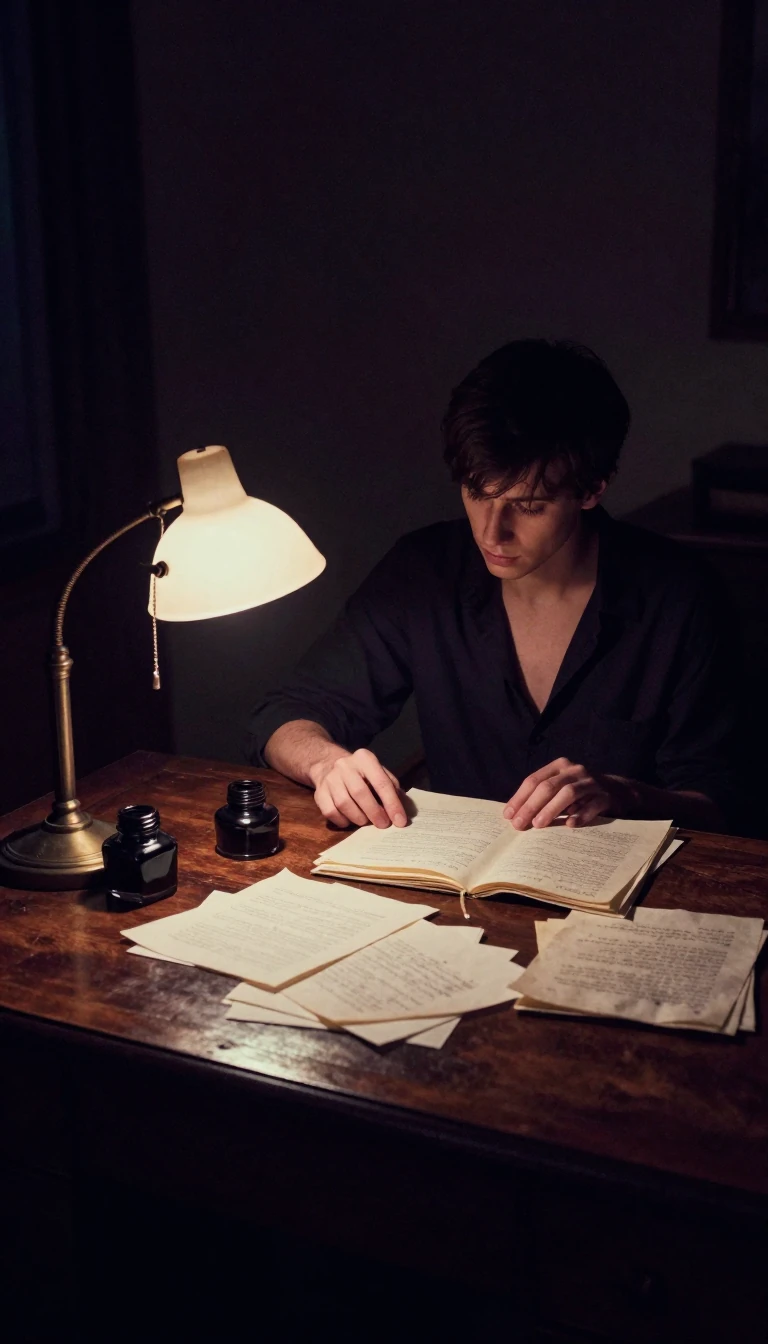
In short: In the 1930s, Ernest Hemingway transformed a decaying Key West property into a creative sanctuary. While he penned legendary works within its walls, the estate became equally famous for its expensive swimming pool, a nine-year legal battle with the federal government, and a permanent population of six-toed cats.
Built in the 1870s by marine architect Asa Tift, the limestone residence at 907 Whitehead Street became the home of Ernest Hemingway and his wife, Pauline Pfeiffer, in 1931. Purchased for $8,000 as a wedding gift, the property offered the seclusion Hemingway required for his writing. During his eight-year residency, he produced notable works including Green Hills of Africa and To Have and Have Not. The home also served as a site of domestic friction; in 1937, Hemingway was famously irate when Pauline spent $20,000—more than double the home's purchase price—to install the first swimming pool in the Florida Keys.
The estate is now globally recognized for its colony of polydactyl cats. While local legend claims these felines descend from a white cat gifted to the author by a sea captain, family members have contested Hemingway’s actual ownership of cats during his time in Key West. Regardless of their origin, the cats became the center of a protracted legal conflict beginning in 2003. The United States Department of Agriculture argued the museum functioned as a zoo, subjecting it to the Animal Welfare Act of 1966. The museum fought this classification for nine years, but in 2012, the 11th Circuit Court of Appeals ruled against them, citing the museum's use of the cats in advertisements and merchandise.
Today, the site operates as a historic house museum, attracting hundreds of visitors daily. Its thick limestone walls and elevated position have helped it survive numerous tropical storms, including Hurricane Irma in 2017, when staff famously refused to evacuate the cats. Though the museum faced significant financial strain during the COVID-19 pandemic, it remains the most popular tourist attraction in Key West. As of 2024, the property houses 59 cats, many of which carry the polydactyl gene, continuing a tradition of naming the animals after famous contemporaries of the author.
Opens the Intellect+ feed with this card first. Swipe up for the next one.
Sources
- Summary by Intellect · source: Ernest Hemingway House
- Also: Wikidata — Ernest Hemingway House · CC0
To cite this card, link to https://intellectplus.co.uk/app/places-ernest-hemingway-house.
How we source, check and correct cards: Editorial standards.
General information, not professional advice. Spotted an error? Flag the card or see corrections and complaints.
Intellect Plus is a visual educational discovery platform for exploring fascinating facts and ideas. Brain Food, Not Brain Rot. What is Intellect Plus?
Related
More in Cities · More in Countries & Cities · Latest · A–Z · All topics
