A landscape sculpted by ice and ancient fractures into a labyrinth of water
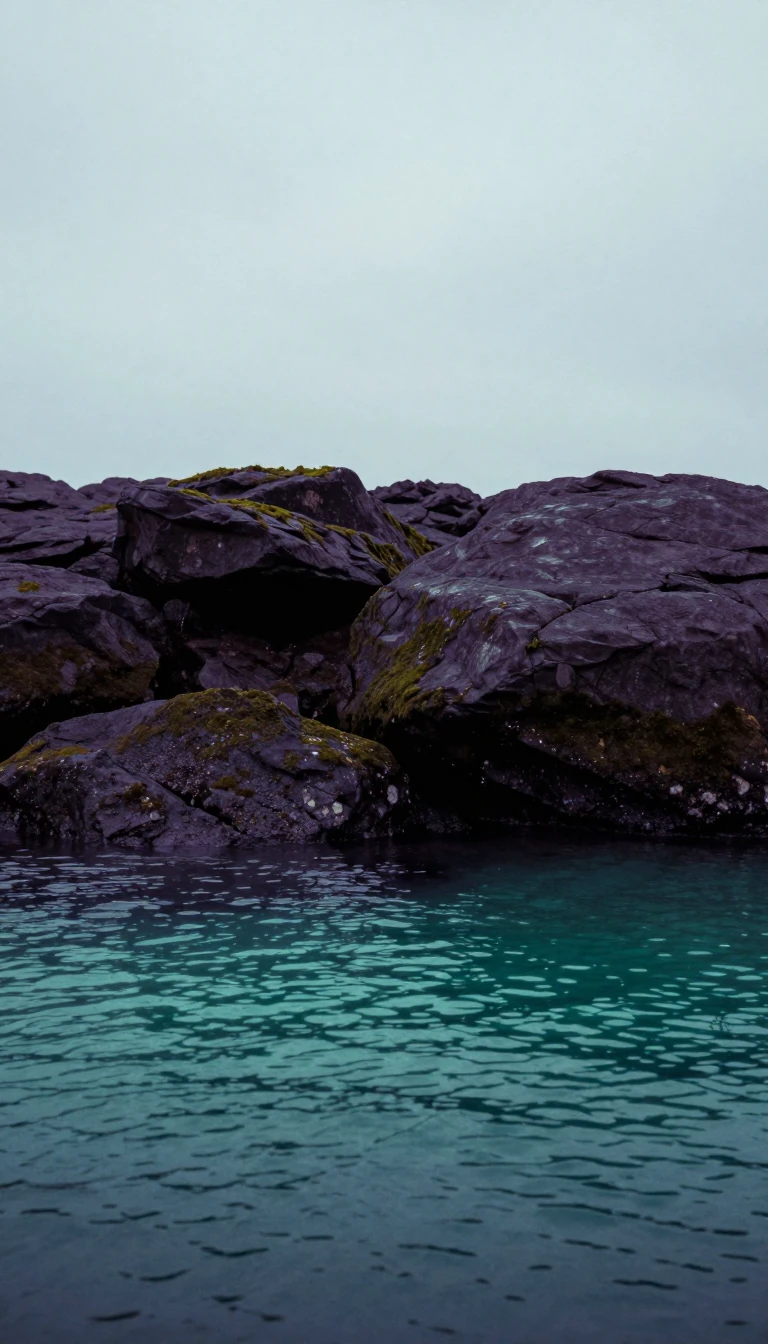
In short: The Finnish Lakeland is not merely a scenic region; it is a geological masterpiece. Carved by retreating glaciers and shaped by the erosion of bedrock fractures, it contains a staggering density of lakes. In some areas, the concentration of water is so high that the land is known as 'Pond Finland.'
The geography of the Finnish Lakeland is defined by its glacial history. Approximately 10,000 years ago, as continental glaciers receded, they left behind a terrain dominated by drumlins and long, sinuous eskers. These landforms, along with the Salpausselkä Ridges—terminal moraines that act as natural barriers—create a complex landscape of hilly, forested terrain and thousands of interconnected water bodies.
The complexity of the region's water systems lies in its geological origins. The basins were formed by the weathering and erosion of bedrock fractures, a process that began before and during the Quaternary ice ages. This historical erosion created linear inlets that connect the lakes. Many of these lakes feature convoluted coastlines and are composed of several nearly separate stretches of open water, known as selkä, which are linked by narrow sounds. This structure allows the water to connect vast areas of the hinterland.
The sheer scale of the water is immense. While it is difficult to count every body of water due to a lack of standardized definitions, there are at least 55,000 lakes in the region that are at least 200 meters wide. If the definition is expanded to include any body larger than 500 square meters, the count rises to over 187,000. In the northern reaches, the density reaches up to 1,000 lakes per 100 square kilometers, earning the area the nickname 'Lampi-Suomi' or Pond Finland.
Among these are giants like Lake Saimaa, which covers more than 4,400 square kilometers and contains over 5,000 islands, making it one of Europe's largest natural freshwater lakes. Other significant bodies like Lake Päijänne serve vital roles, such as providing drinking water for Helsinki. The region's geography has historically dictated human settlement, with major cities often situated on lake shores or isthmuses to facilitate transport across the vast, water-rich landscape.
Opens the Intellect+ feed with this card first. Swipe up for the next one.
Sources
- Summary by Intellect · source: Finnish Lakeland
- Also: Wikidata — Finnish Lakeland · CC0
- Also: Wikidata — Finnish Lakeland Ring Road · CC0
To cite this card, link to https://intellectplus.co.uk/app/places-finnish-lakeland.
How we source, check and correct cards: Editorial standards.
General information, not professional advice. Spotted an error? Flag the card or see corrections and complaints.
Intellect Plus is a visual educational discovery platform for exploring fascinating facts and ideas. Brain Food, Not Brain Rot. What is Intellect Plus?
Related
More in Land relief · More in Countries & Cities · Latest · A–Z · All topics
