The Dzhugdzhur Mountains: A Remote Siberian Range Named for Its Big Bulge
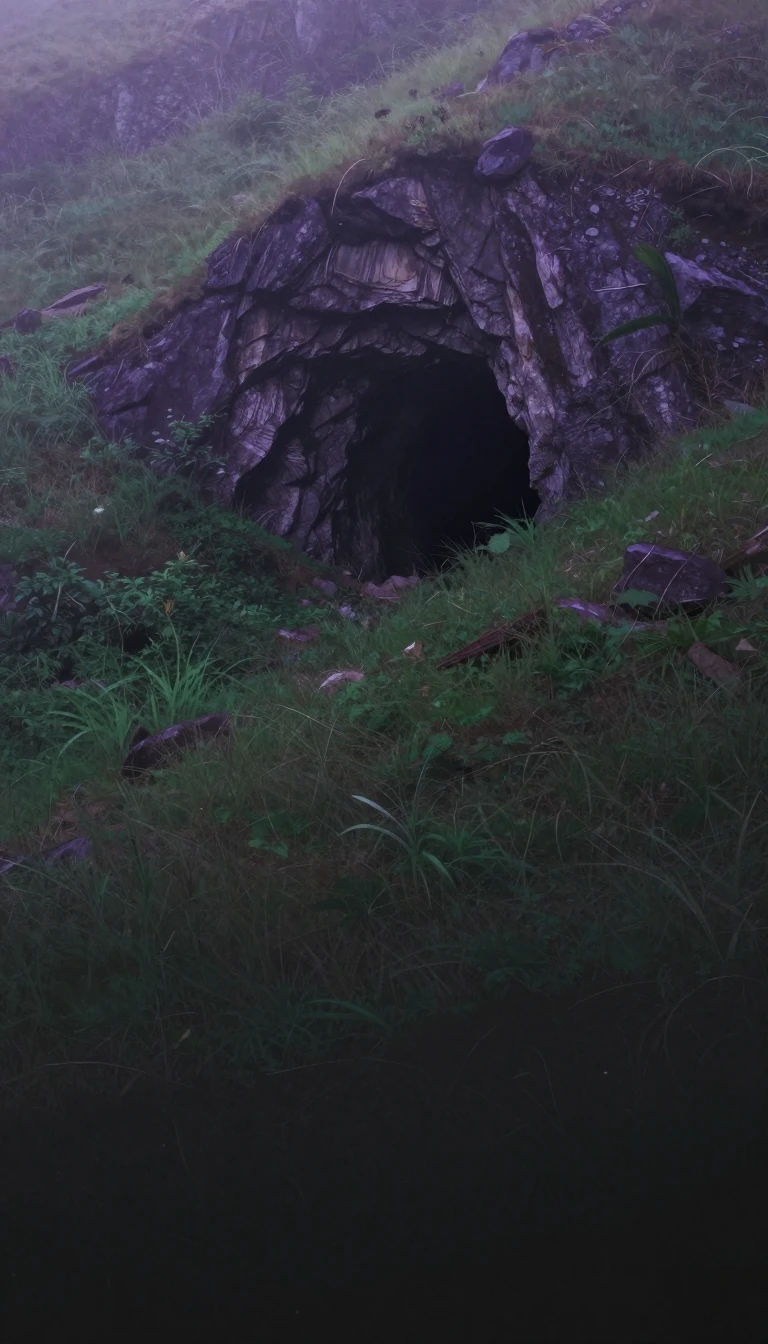
In short: Stretching along the western shores of the Sea of Okhotsk, the Dzhugdzhur range is a vast, desolate landscape in far eastern Siberia. Its name, derived from the Evenki language, translates to big bulge. While largely uninhabited, these mountains have hosted active gold mining operations since the 1920s.
The Dzhugdzhur range is a geological marvel defined by its asymmetrical fold structure. Its composition varies significantly across its length: the southwestern half is primarily built from Precambrian gneiss and granite, while the northeastern sections feature Mesozoic shale and limestone, alongside igneous rock dating to the Cretaceous and Paleocene periods. Reaching elevations of up to 1,906 metres along the coast, the range serves as a critical geographic boundary, connecting to the Stanovoy Range in the southwest and the Kolyma Mountains in the northeast.
The environment is characterized by a harsh, wet, and cold climate, featuring rainy summers and severe winters. Despite these conditions, the landscape supports diverse vegetation. The coastal stretches are dominated by Dahurian larch and Japanese stone pine. At higher elevations, reaching up to 1,300 metres, the Okhotsk-Manchurian taiga ecoregion thrives, populated by swathes of Jezo spruce. The range also acts as a vital watershed, serving as the source for several rivers, including the Maya, the Maymakan, and the Mati.
Beyond its geological and ecological significance, the region is protected by the Dzhugdzursky Nature Reserve, located within Khabarovsk Krai. The mountains remain largely deserted, save for the persistent presence of gold mining, which has been the primary human activity in the area for over a century. This isolation, combined with the range's complex formation and its role as a link in the broader mountain belts of Asia, makes the Dzhugdzhur a unique, if largely inaccessible, feature of the Siberian wilderness.
Opens the Intellect+ feed with this card first. Swipe up for the next one.
Sources
- Summary by Intellect · source: Dzhugdzhur
- Also: Dzhugdzursky Nature Reserve
- Also: Dzhugdzhur Mountains | mountains, Russia | Britannica
- Also: Wikidata — Dzhugdzhur · CC0
To cite this card, link to https://intellectplus.co.uk/app/places-dzhugdzhur.
How we source, check and correct cards: Editorial standards.
General information, not professional advice. Spotted an error? Flag the card or see corrections and complaints.
Intellect Plus is a visual educational discovery platform for exploring fascinating facts and ideas. Brain Food, Not Brain Rot. What is Intellect Plus?
Related
More in Land relief · More in Countries & Cities · Latest · A–Z · All topics
