The vast, flat corridor that shaped the destiny and borders of the European continent
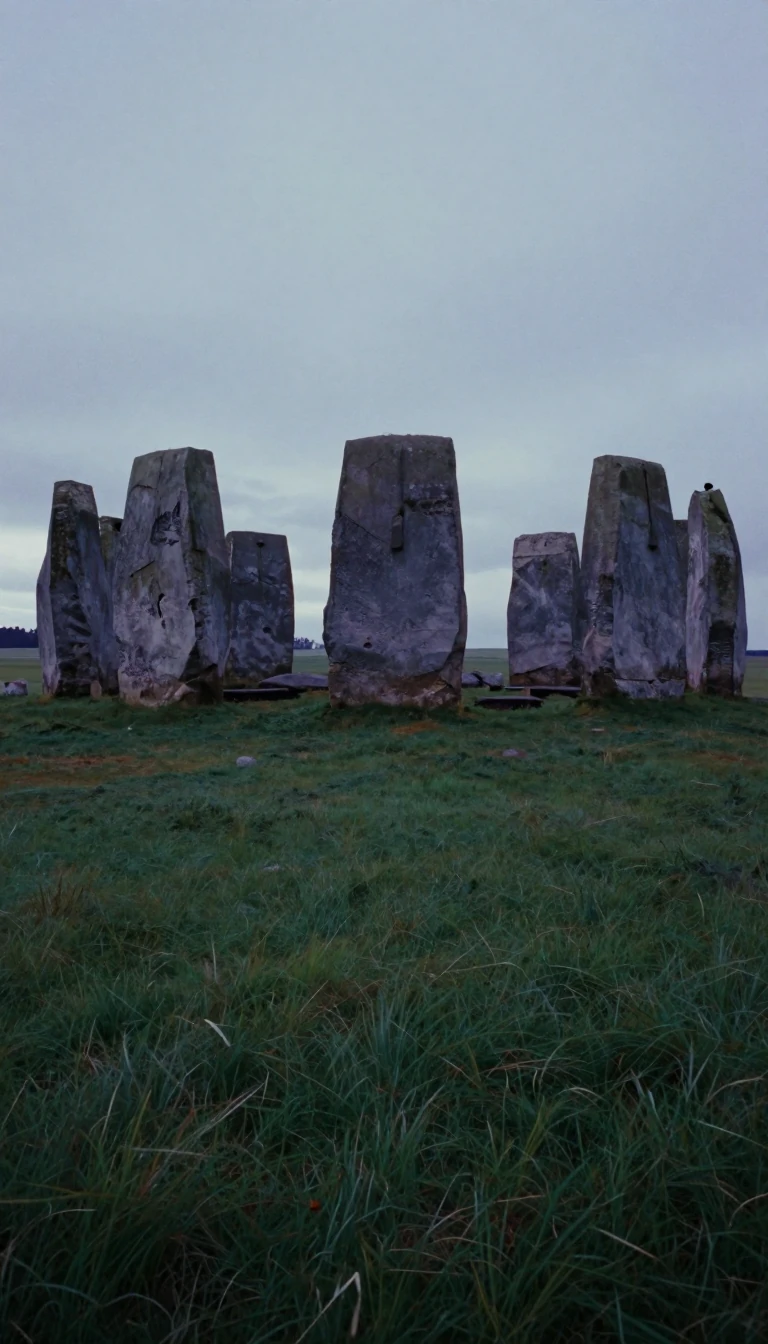
In short: Spanning from the Pyrenees to the Ural Mountains, the European Plain is one of the largest uninterrupted lowlands on Earth. This immense, flat expanse has dictated the flow of history, trade, and agriculture, while simultaneously leaving nations vulnerable to invasion across its open, undefended terrain for centuries.
The European Plain is a massive geographical feature that gives Europe the lowest average elevation of any continent. In the west, the plain is relatively narrow, rarely exceeding 200 miles in width, but it broadens significantly as it stretches eastward, reaching its greatest extent in western Russia. This vast lowland is divided into the North European Plain and the East European Plain, with the latter often referred to as the Russian Plain. While the terrain is generally flat or gently undulating, it is not entirely featureless; it is marked by hills, glacial moraines, and river systems that have defined human settlement patterns for millennia.
Much of the landscape was shaped during the Pleistocene Epoch, roughly 2,600,000 to 11,700 years ago, when repeated glaciation left behind complex deposits of sand, gravel, and moraine. In the north, the terrain is often poorly drained, featuring wetlands and spillways, while other areas benefit from fertile, windblown loess deposits. The climate shifts dramatically from west to east: the maritime influence in the west provides mild winters and consistent rainfall, fostering productive agriculture. Conversely, the east experiences a continental climate with hot summers and extremely cold winters, making farming more challenging.
The lack of natural barriers across this expansive plain has profound historical consequences. Because the terrain is largely flat and open, it has historically offered little protection against invasion, serving as a corridor for armies and a site of frequent conflict. Nations like France, Poland, and Russia have long contended with the strategic vulnerability posed by this geography. Today, the plain remains a vital center for industry, trade, and agriculture, supporting some of the most densely populated regions in the world while continuing to influence the economic and political integration of the continent.
Opens the Intellect+ feed with this card first. Swipe up for the next one.
Sources
- Summary by Intellect · source: European Plain | Map, Location, Facts, Importance, & Description | Britannica
- Also: European Plain
To cite this card, link to https://intellectplus.co.uk/app/places-european-plain.
How we source, check and correct cards: Editorial standards.
General information, not professional advice. Spotted an error? Flag the card or see corrections and complaints.
Intellect Plus is a visual educational discovery platform for exploring fascinating facts and ideas. Brain Food, Not Brain Rot. What is Intellect Plus?
Related
More in Land relief · More in Countries & Cities · Latest · A–Z · All topics
