The Calabash: How a South African Stadium Became a Global Cultural Icon
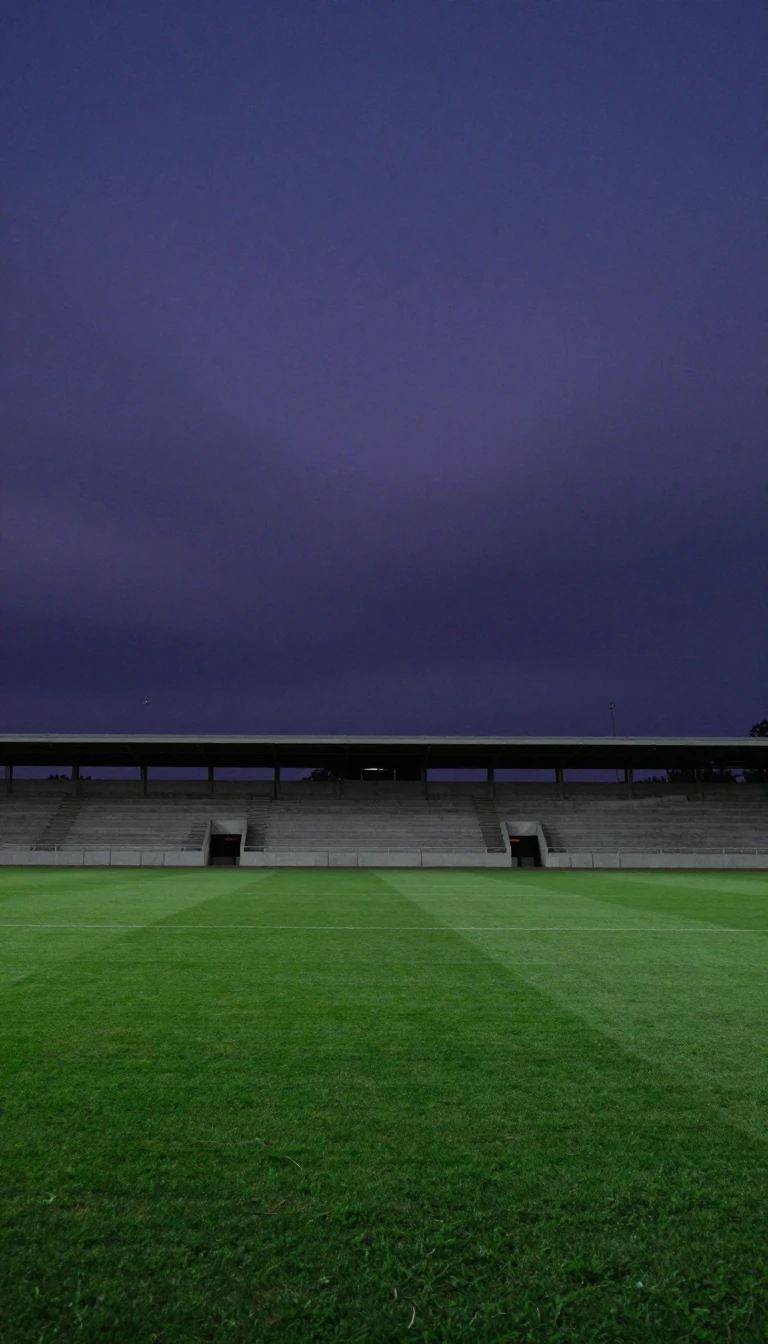
In short: Rising from the outskirts of Soweto, the FNB Stadium is more than a sports venue. Known as The Calabash for its resemblance to a traditional African pot, this architectural marvel has hosted historic political milestones, legendary football matches, and massive rugby clashes, serving as a central stage for South African identity.
Originally constructed in 1987, the stadium underwent a massive transformation for the 2010 FIFA World Cup. Designed by HOK Sport and Boogertman + Partners, the upgrade cost R1.5 billion and was completed in October 2009. The structure features a unique cladding of earthen colors and a ring of lights at the base, intended to mimic a fire burning beneath a cooking pot. With a capacity of 94,736, it remains the largest stadium in Africa.
The venue is deeply woven into the nation's political history. It served as the site for Nelson Mandela’s first speech in Johannesburg following his 1990 release from prison, and later hosted his 2013 memorial service. It also held the funerals of anti-apartheid activists Chris Hani and Oliver Tambo in 1993. These events solidified the stadium's role as a space for national mourning and celebration, far beyond its primary function as the home of the Kaizer Chiefs.
The stadium's design includes ten black vertical lines on the exterior. Nine of these align with the other venues used during the 2010 World Cup. Because nine is viewed as an unlucky number in local tradition, a tenth line was added, pointing toward Berlin’s Olympic Stadium, which hosted the 2006 final. This architectural choice symbolizes the journey to the tournament's climax. While it remains a premier sporting arena, it has also seen tragedy, including a 2017 crush that resulted in two deaths, and political controversy, such as the 2023 rally where the singing of a contentious song drew international scrutiny.
Beyond football, the stadium has hosted significant rugby union matches, including the 2010 Tri Nations clash between South Africa and New Zealand. It continues to function as a multi-purpose hub, hosting concerts and major club fixtures, maintaining its status as a de facto national stadium for the country’s most significant cultural and athletic gatherings.
Opens the Intellect+ feed with this card first. Swipe up for the next one.
Sources
- Summary by Intellect · source: FNB Stadium
- Also: Wikidata — FNB Stadium · CC0
To cite this card, link to https://intellectplus.co.uk/app/places-fnb-stadium.
How we source, check and correct cards: Editorial standards.
General information, not professional advice. Spotted an error? Flag the card or see corrections and complaints.
Intellect Plus is a visual educational discovery platform for exploring fascinating facts and ideas. Brain Food, Not Brain Rot. What is Intellect Plus?
Related
More in Cities · More in Countries & Cities · Latest · A–Z · All topics
