How a simple rope and gravity built the world's most elegant mountain transit systems.
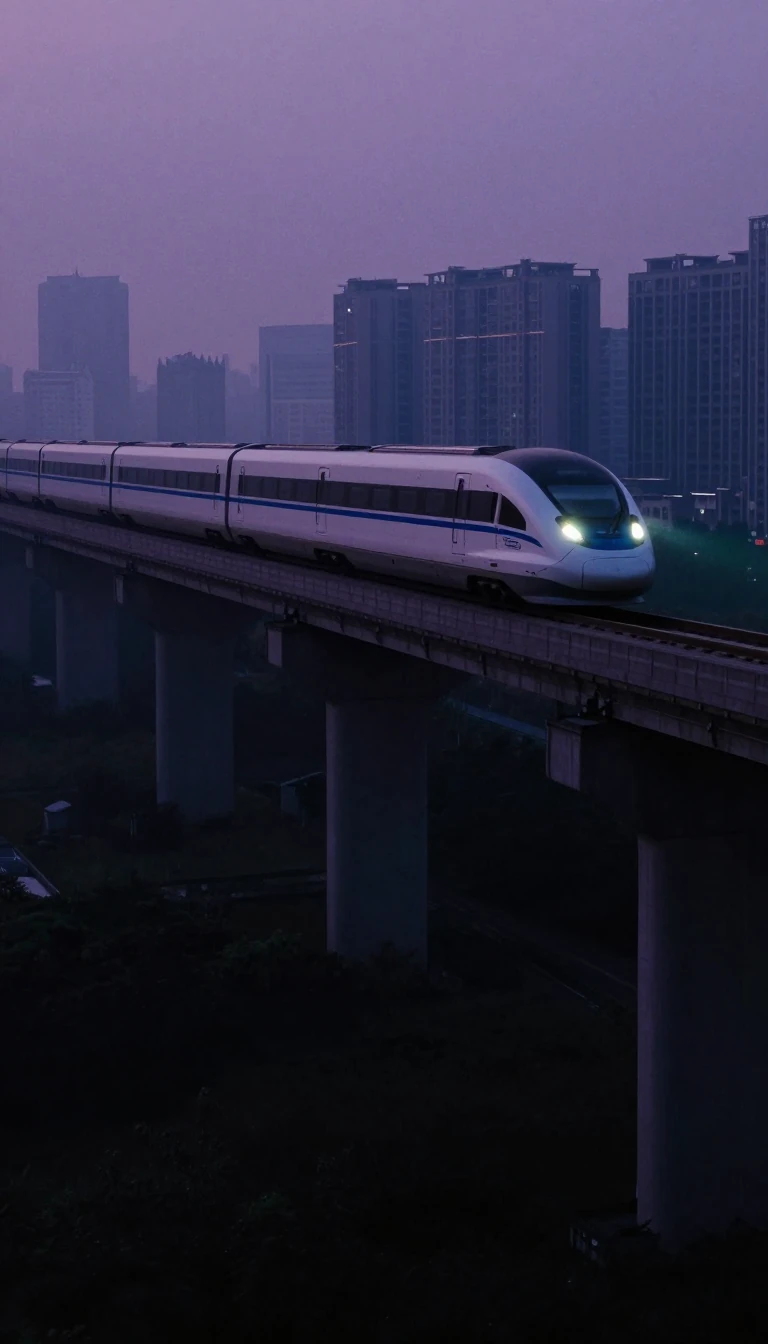
In short: A funicular is a masterclass in efficiency. By tethering two carriages to a single cable, these systems use gravity to do the heavy lifting. As one car descends, its weight helps pull the other uphill, turning a steep climb into a synchronized, energy-saving dance across the mountainside.
The term funicular originates from the Latin 'funiculus', meaning rope. At its core, the system relies on a haul rope looped over a pulley at the top of an incline. Because the two carriages are permanently connected, they move in perfect harmony; the engine only needs to provide enough power to overcome friction and move the excess weight of passengers. Some early designs were even more ingenious, using water ballast tanks beneath the floor. A car at the top would be filled with water until it became heavy enough to descend, pulling the lighter car up, before draining the water at the bottom to repeat the cycle.
Engineering these systems requires clever track management. While early funiculars used four-rail layouts with separate tracks, the development of the Abt switch in 1879 allowed for more compact two-rail designs. This system uses specialized wheelsets—where one side has double flanges—to guide cars through passing loops without any moving parts on the track. This innovation, pioneered by Carl Roman Abt, significantly reduced construction costs and land requirements, sparking a boom in funicular development during the late 19th century.
Today, funiculars range from the world's steepest, the Stoosbahn in Switzerland, to the 'least extensive metro' in Haifa, Israel. While modern versions rely on electric motors and high-friction bullwheels, the fundamental principle remains unchanged. Whether they are climbing 110% slopes or operating as urban transit, these systems demonstrate how simple mechanical balance can conquer challenging terrain. From the 1862 Funiculaires de Lyon to the 1875 Scarborough line, these railways have proven remarkably durable, blending engineering precision with the simple physics of a rope.
Safety remains paramount, with modern systems employing redundant braking mechanisms. Emergency brakes directly grip the bullwheel, while rail brakes provide an additional layer of security. This meticulous attention to safety, combined with the inherent efficiency of the counterbalanced design, ensures that funiculars remain a viable and elegant solution for navigating steep urban and mountain landscapes, just as they have for over a century.
Opens the Intellect+ feed with this card first. Swipe up for the next one.
Sources
- Summary by Intellect · source: Funicular
- Also: Wikidata — funicular · CC0
To cite this card, link to https://intellectplus.co.uk/app/places-funicular.
How we source, check and correct cards: Editorial standards.
General information, not professional advice. Spotted an error? Flag the card or see corrections and complaints.
Intellect Plus is a visual educational discovery platform for exploring fascinating facts and ideas. Brain Food, Not Brain Rot. What is Intellect Plus?
Related
More in Cities · More in Countries & Cities · Latest · A–Z · All topics
