Beyond the mortar and pestle: the global evolution of the West African fufu
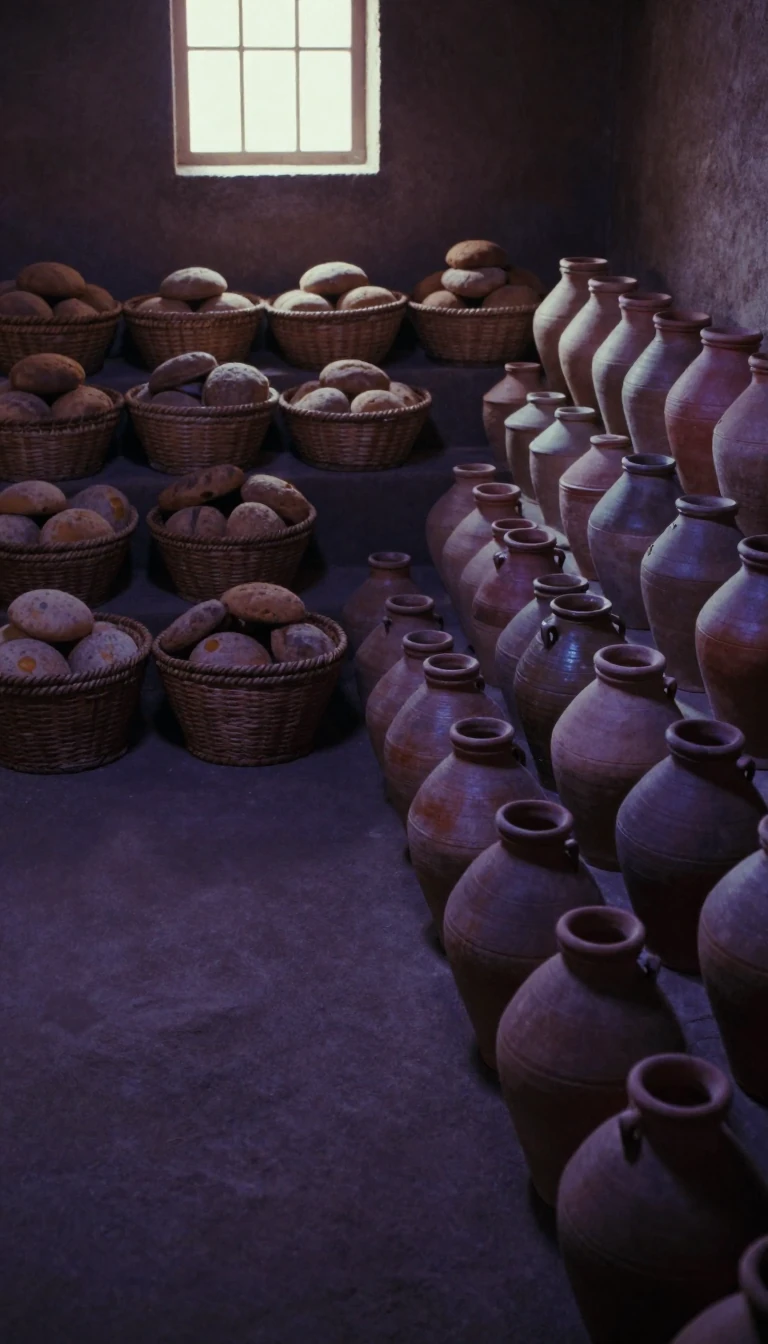
In short: Fufu is more than a staple; it is a culinary bridge spanning continents. Originally a pounded mixture of cassava, plantains, or cocoyam from Ghana, this versatile dough has evolved into diverse forms across Africa and the Caribbean. From traditional wooden mortars to modern machines, its preparation reflects deep cultural identity.
Originating among the Akan people of Ghana, the word fufu literally translates to white in Twi, likely referencing the color of the cassava component. Historically, before Portuguese traders introduced cassava from Brazil in the 16th century, the dish relied on indigenous staples like yams, plantains, and cocoyam. The traditional preparation involves a labor-intensive process of pounding boiled ingredients in a wooden mortar, known as a woduro, with a pestle called a woma. This rhythmic act of turning and pounding creates a soft, sticky dough that is traditionally eaten by hand, formed into small balls, and dipped into broth-like soups.
The dish has adapted significantly as it spread. In Nigeria, fufu is often made from fermented cassava, a process that can take several days of soaking, sieving, and simmering to achieve its unique texture. In contrast, Caribbean variations show the influence of creolized traditions. Puerto Rican mofongo, for instance, incorporates fried plantains and garlic, creating a firmer, crustier orb often stuffed with meat. Meanwhile, in Haiti, tonm tonm is frequently made from breadfruit. These regional iterations demonstrate how fufu acts as a canvas for local ingredients and techniques, ranging from the cornmeal-based fungi of Angola to the mashed sweet plantains of Côte d'Ivoire.
Modernity has also reshaped the dish. While rural families often maintain original recipes, urban dwellers and the diaspora have adopted alternative flours like wheat semolina or maize. The invention of the fufu machine and the availability of instant, microwavable flour have drastically reduced preparation time, moving the dish away from its physically demanding roots. Despite these changes, fufu remains a nutritional staple, valued for being low in cholesterol and rich in potassium. Whether served as the Ghanaian fufuo, Nigerian akpụ, or Caribbean mofongo, the dish remains a profound symbol of cultural continuity and adaptation across the African diaspora.
Opens the Intellect+ feed with this card first. Swipe up for the next one.
Sources
- Summary by Intellect · source: Fufu
- Also: Wikidata — fufu · CC0
To cite this card, link to https://intellectplus.co.uk/app/places-fufu.
How we source, check and correct cards: Editorial standards.
General information, not professional advice. Spotted an error? Flag the card or see corrections and complaints.
Intellect Plus is a visual educational discovery platform for exploring fascinating facts and ideas. Brain Food, Not Brain Rot. What is Intellect Plus?
Related
More in Cities · More in Countries & Cities · Latest · A–Z · All topics
