How ancient monastic communities sculpted an entire civilization into soft volcanic rock
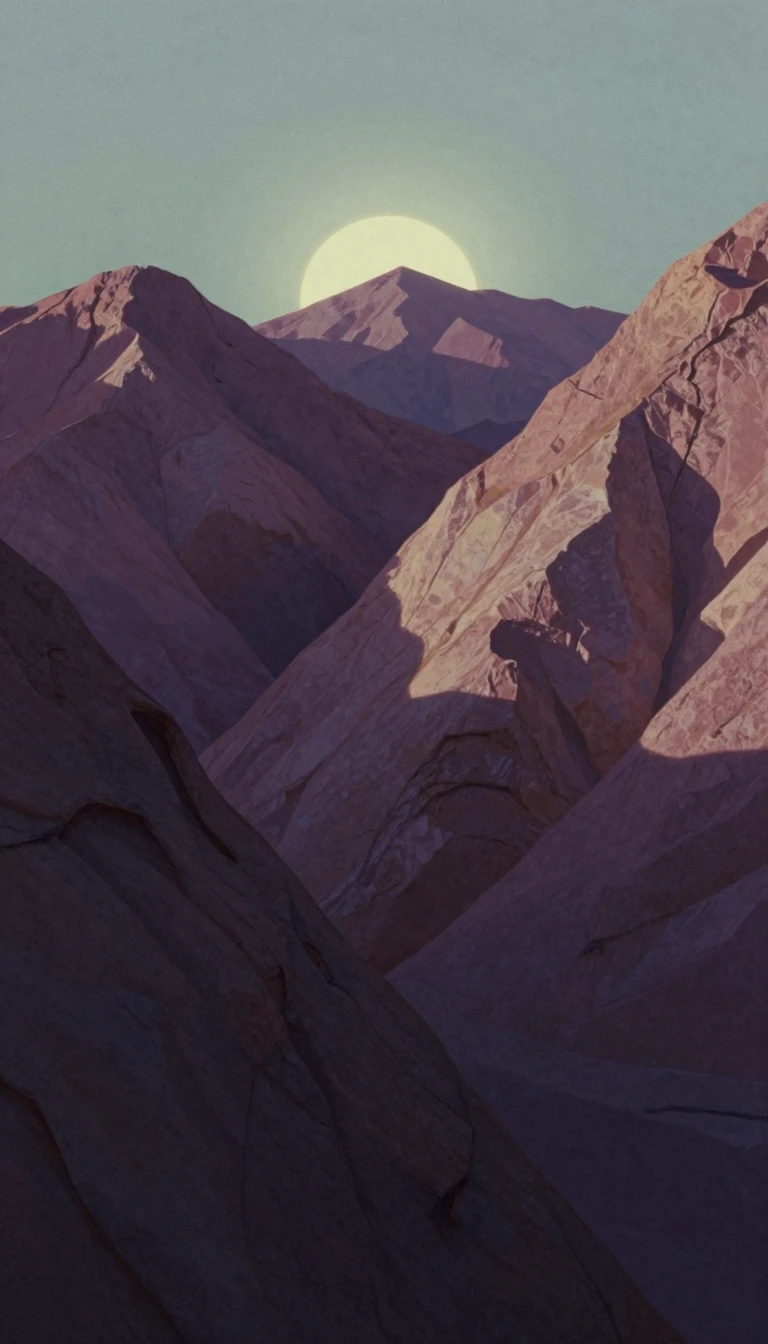
In short: In the heart of Turkey, a landscape of fairy chimneys and pinnacles hides a vast network of subterranean cities and rock-hewn sanctuaries. Carved by hand into volcanic tuff, these dwellings served as both spiritual retreats and vital refuges for Byzantine communities fleeing centuries of invasion and regional instability.
The Göreme Valley and its surroundings are defined by a dramatic, erosional landscape of hoodoos and volcanic ridges. This unique geology, formed by ash from extinct volcanoes like Erciyes Dağ and Hasan Dağ, provided the soft material necessary for a remarkable architectural feat: the creation of space by removing rock rather than building with it. Beginning in the 4th century, anchorite communities inspired by Basileios the Great began hewing cells into the stone, establishing a tradition of monastic life that would persist for centuries.
As regional threats intensified, particularly during the Arab invasions from the 7th to the 10th centuries, these isolated cells evolved into complex, interconnected subterranean towns like Derinkuyu and Kaymaklı. These underground refuges allowed entire communities to survive periods of extreme instability. By the 9th century, following the iconoclastic period, these rupestral spaces became canvases for vibrant Byzantine art, with churches like Tokalı Kilise and Karanlık Kilise showcasing intricate, figurative frescoes that remain significant today.
The site’s history is a testament to human adaptation, where the constraints of the natural environment dictated the development of technical skills and cultural attitudes. While the region prospered during the 10th and 11th centuries, it eventually fell under Seljuk control after the 1071 Battle of Manzikert. Today, the area is a UNESCO World Heritage site, recognized for its irreplaceable testimony to Byzantine civilization. However, it faces ongoing challenges, including natural erosion, the pressures of mass tourism, and the complex task of preserving structures that are inherently vulnerable to the very elements that shaped them.
Opens the Intellect+ feed with this card first. Swipe up for the next one.
Sources
- Summary by Intellect · source: Gö;reme National Park and the Rock Sites of Cappadocia
- Also: Göreme National Park | national park, Turkey | Britannica
- Also: Göreme Historical National Park
To cite this card, link to https://intellectplus.co.uk/app/places-g-reme-historical-national-park.
How we source, check and correct cards: Editorial standards.
General information, not professional advice. Spotted an error? Flag the card or see corrections and complaints.
Intellect Plus is a visual educational discovery platform for exploring fascinating facts and ideas. Brain Food, Not Brain Rot. What is Intellect Plus?
Related
More in Parks, preserves, and World Heritage Sites · More in Countries & Cities · Latest · A–Z · All topics
