How a 17th-century drainage system still flushes Galle’s historic streets today
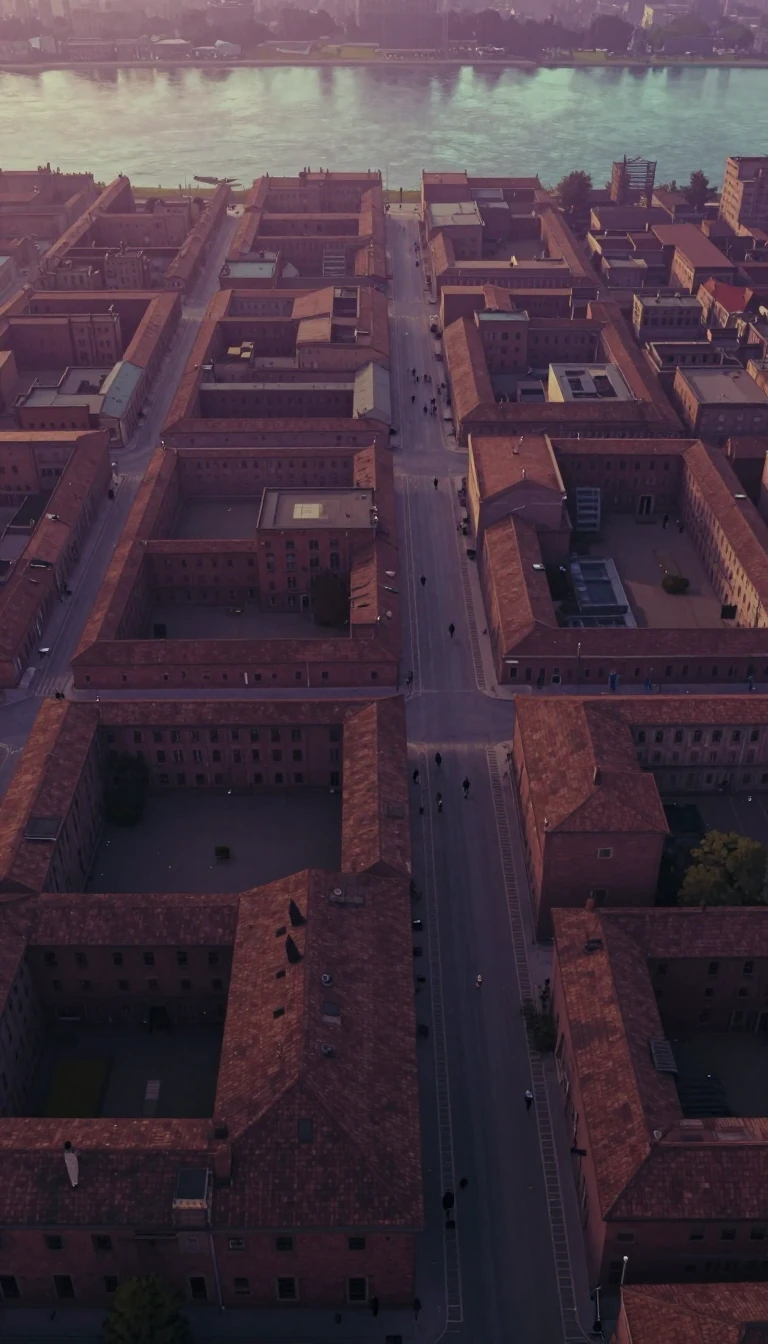
In short: Galle, a fortified city on Sri Lanka's southwest coast, is a living architectural marvel. Beyond its massive ramparts and colonial-era street grids, the city hides an ingenious, centuries-old underground drainage network that remains functional today, using tidal seawater to flush the city's waste through a sophisticated, gravity-defying urban design.
Founded by the Portuguese in the 16th century, Galle reached its developmental peak under Dutch colonial rule in the 18th century. The city stands as the most complete example of a fortified European settlement in South Asia. Its layout is a distinct synthesis of Dutch urban planning, characterized by a rigid street grid, and South Asian architectural traditions, such as narrow houses with overhanging roofs and open verandas supported by slender columns.
The fortifications themselves are a testament to Dutch engineering ingenuity. Rather than adhering to strict, idealized European geometric plans, the ramparts follow the natural morphology of the rocky promontory. Built using granite and coral, these walls incorporate bastions at strategic points to defend against both land and sea. This adaptation to the unfamiliar South Asian terrain highlights the unique interaction between European military science and local environmental conditions.
Today, the Old Town of Galle is a living city, balancing the preservation of its historical fabric with the demands of modern life. The site is protected under the Antiquities Ordinance of 1948, with the Galle Heritage Foundation, established in 1994, coordinating stakeholders to manage its conservation. The long-term challenge remains maintaining its status as a World Heritage Site while ensuring it functions as a vibrant, contemporary urban center.
The city's authenticity is remarkably well-preserved, from the original street patterns to the military architecture. Even the 17th-century underground drainage system continues to operate, utilizing tidal seawater to maintain cleanliness. This blend of colonial administrative history and indigenous adaptation makes Galle an exceptional urban ensemble, where centuries-old infrastructure still serves the needs of its current residents.
Opens the Intellect+ feed with this card first. Swipe up for the next one.
Sources
- Summary by Intellect · source: Old Town of Galle and its Fortifications
- Also: Galle
To cite this card, link to https://intellectplus.co.uk/app/places-galle.
How we source, check and correct cards: Editorial standards.
General information, not professional advice. Spotted an error? Flag the card or see corrections and complaints.
Intellect Plus is a visual educational discovery platform for exploring fascinating facts and ideas. Brain Food, Not Brain Rot. What is Intellect Plus?
Related
More in Asia · More in Countries & Cities · Latest · A–Z · All topics
