Ganja: The ancient Azerbaijani city named for a treasure that may not exist
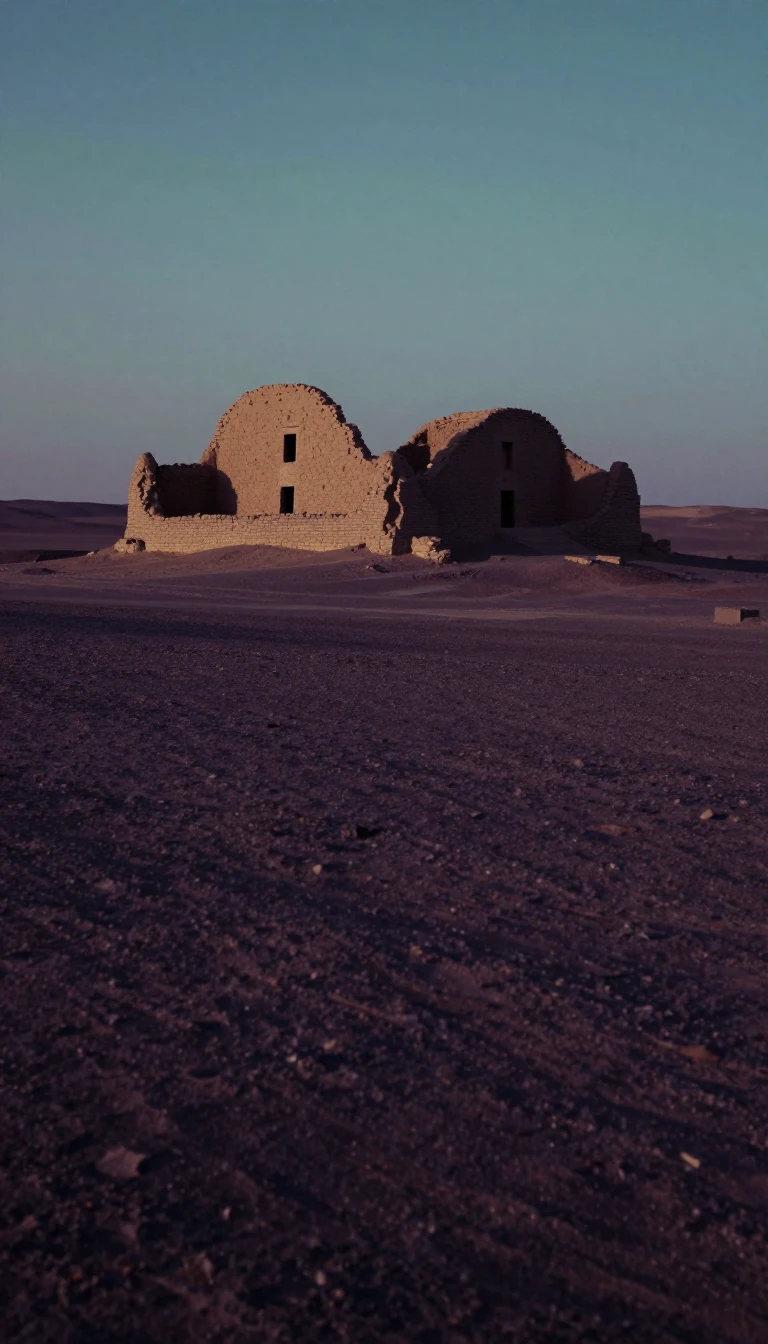
In short: Azerbaijan's third-largest city, Ganja, carries a name derived from the Persian word for treasure. While legend claims a governor unearthed riches to fund its 9th-century foundation, historians view this as folk etymology. Today, the city stands as a resilient cultural hub shaped by centuries of shifting imperial rule.
Founded in 859–60 by the Arab governor Muhammad ibn Khalid, Ganja has been a focal point of power in the South Caucasus for over a millennium. Its history is a testament to the region's volatility, having been held by the Sassanid, Seljuk, Safavid, and Qajar empires, among others. The city's name, which means 'treasure' or 'treasury,' has sparked various origin stories, including a persistent legend that a dream-guided discovery of gold allowed for its establishment. Scholars, however, suggest the name likely reflects an older, pre-Islamic urban presence in the area.
The city's trajectory shifted dramatically in the 19th century. Following the Russo-Persian War of 1804–1813, the Ganja Khanate was ceded to the Russian Empire, leading to its renaming as Yelizavetpol in honor of Empress Elizabeth. Throughout the 20th century, the city underwent multiple identity changes, serving as the temporary capital of the Azerbaijan Democratic Republic in 1918 before being renamed Kirovabad in 1935 by Joseph Stalin. It was not until 1989, during the period of perestroika, that the city reclaimed its original name, Ganja.
Today, Ganja is a modernizing metropolis of approximately 335,600 residents, serving as a vital industrial and agricultural center. Its urban landscape is a blend of ancient heritage and contemporary development, featuring sites like the 11th-century-inspired Mausoleum Gates alongside modern infrastructure like the Ganja Mall. Despite the demographic shifts that followed the 1988 Kirovabad pogrom and the challenges posed by the 2020 Nagorno-Karabakh conflict, the city remains a significant cultural landmark, celebrated as the birthplace of the renowned Persian poet Nizami Ganjavi.
The city's resilience is mirrored in its economic evolution. Once a center for traditional silk production, Ganja now hosts large-scale metallurgical and automotive industries. While its religious and ethnic composition has become more homogenous over the last few decades, the city continues to preserve its historical identity through its architecture and the ongoing restoration of its ancient landmarks, ensuring that the legacy of this 'treasure' city endures.
Opens the Intellect+ feed with this card first. Swipe up for the next one.
Sources
- Summary by Intellect · source: Ganja, Azerbaijan
- Also: Wikidata — Ganja · CC0
To cite this card, link to https://intellectplus.co.uk/app/places-ganja-azerbaijan.
How we source, check and correct cards: Editorial standards.
General information, not professional advice. Spotted an error? Flag the card or see corrections and complaints.
Intellect Plus is a visual educational discovery platform for exploring fascinating facts and ideas. Brain Food, Not Brain Rot. What is Intellect Plus?
Related
More in Asia · More in Countries & Cities · Latest · A–Z · All topics
