The American artist-philosopher who painted the reality of the unseen
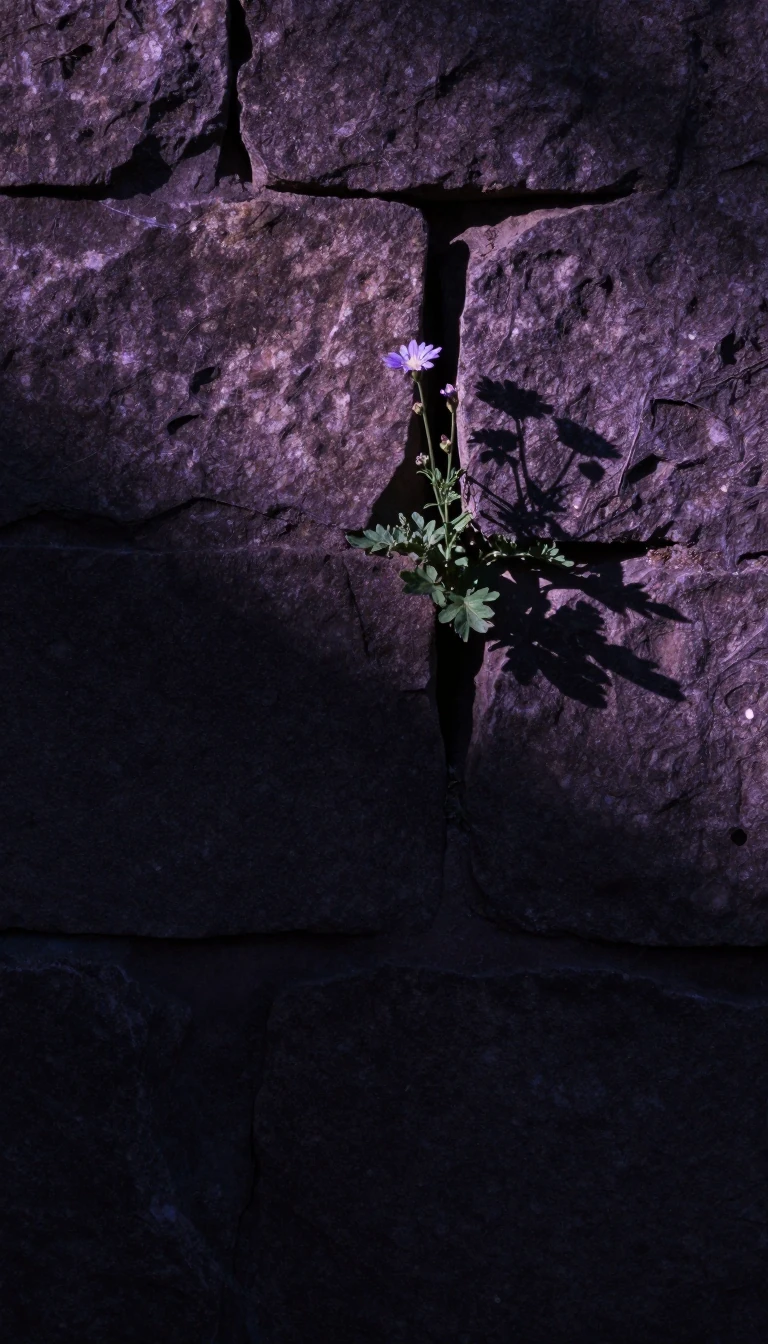
In short: George Inness did not merely depict trees and rivers; he sought to capture the spiritual essence of the world. By blending the physical with the ethereal, this artist-philosopher used expressive brushwork and rich glazes to demonstrate the reality of the unseen, moving beyond mere realism to evoke a profound emotional intensity.
While his contemporaries in the Hudson River School focused on the faithful representation of nature as a divine manifestation, Inness pivoted toward a more internal, philosophical exploration. By seeking to link the 'visible upon the invisible', he emerged as his era's primary American artist-philosopher. This evolution stemmed from his analysis of Salvator Rosa and Claude Lorrain, where he admired how their 'power of motive' favoured sweeping expression over minor specifics.
Inness's aesthetic evolution was deeply tied to his spiritual journey. A transformative 1851 journey to Italy facilitated his encounter with the texts of Emanuel Swedenborg, a Swedish mystic who had previously been a scientist. Swedenborgianism, which emphasized a pantheistic philosophy where an immaterial force generates all life, became the bedrock of Inness's mature style. This influence is visible in his transition toward "tonalist harmonies," where he used rich glazes and expressive brushwork to evoke an emotional intensity that transcended mere scenery.
His work also served as a site for complex social and ecological commentary. For instance, his 1855 painting *The Lackawanna Valley* juxtaposes an oncoming train with a swath of tree stumps, prompting viewers to ponder the devastating impact of industrialization on the American wilderness. Later, his 1865 work *Peace and Plenty* has been interpreted as both an optimistic vision of post-Civil War prosperity and a utopian reflection of social harmony among different classes.
Ultimately, Inness occupied a unique space as a transitional figure. Neither a pure realist nor a strict impressionist, he mastered the art of juxtaposing hazy, blurred elements with sharp details. By doing so, he aimed to capture the complete essence of a locale—blending the earthly and the ethereal to demonstrate what he called the "reality of the unseen."
Opens the Intellect+ feed with this card first. Swipe up for the next one.
Sources
- Summary by Intellect · source: George Inness (1825–1894) - The Metropolitan Museum of Art
- Also: George Inness | Smithsonian American Art Museum
- Also: George Inness
To cite this card, link to https://intellectplus.co.uk/app/places-george-inness.
How we source, check and correct cards: Editorial standards.
General information, not professional advice. Spotted an error? Flag the card or see corrections and complaints.
Intellect Plus is a visual educational discovery platform for exploring fascinating facts and ideas. Brain Food, Not Brain Rot. What is Intellect Plus?
Related
More in Bodies of water · More in Countries & Cities · Latest · A–Z · All topics
