How a Mughal royal picnic spot transformed into a massive industrial powerhouse near Delhi
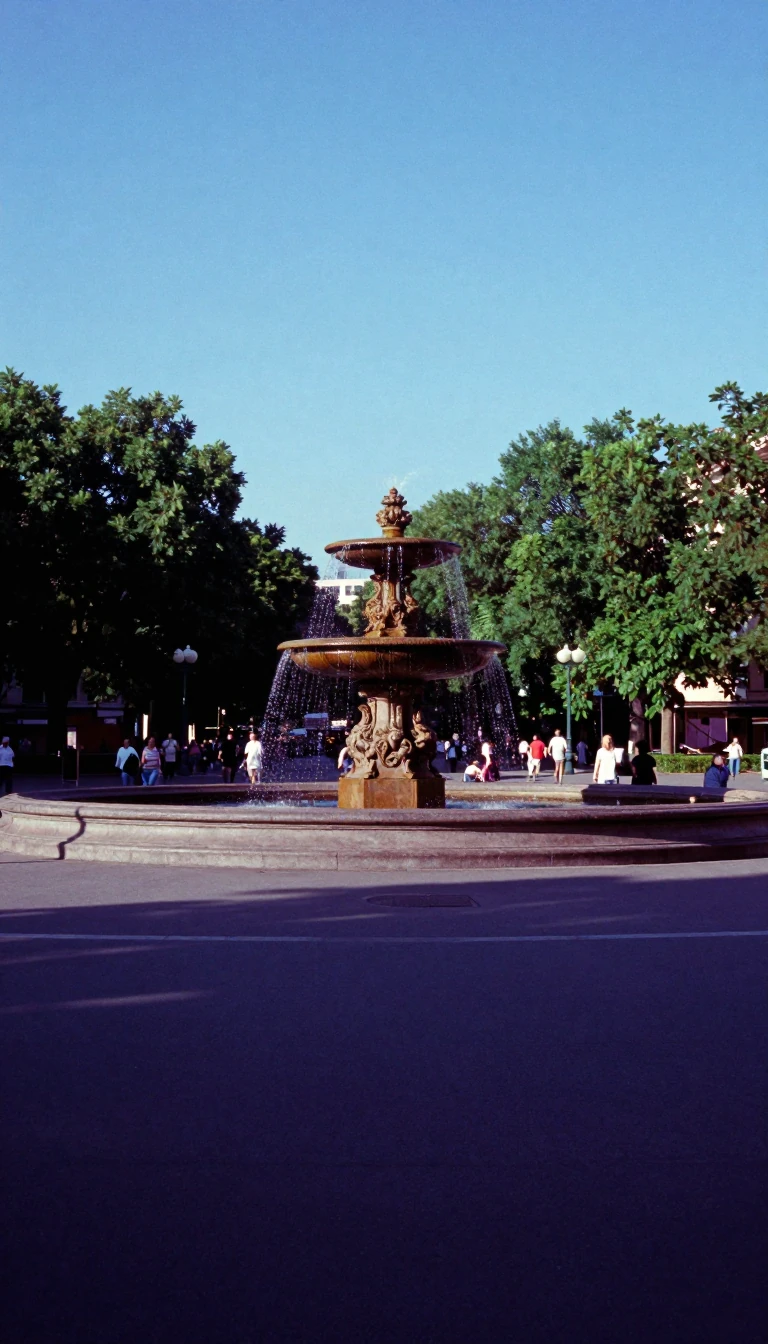
In short: Founded in 1740 as a retreat for the Mughal court, Ghaziabad has evolved into a critical transit junction and industrial hub. Today, this Uttar Pradesh city serves as a vital gateway to the capital, balancing rapid urbanization with complex infrastructure challenges while anchoring the western region of the state.
Established in 1740 by Ghazi-ud-Din II, a wazir to the Mughal emperor Muhammad Shah, the city was originally named Ghaziuddinnagar. It remained a favored leisure destination for the royal family, who frequented the banks of the Hindon River. The city’s identity shifted significantly in 1864 with the arrival of the railways, which prompted the shortening of its name to Ghaziabad. By 1870, it had become a pivotal junction connecting the East Indian Railway with the Sind, Punjab and Delhi Railway, cementing its role as a transit node.
The post-independence era triggered an industrial explosion. Following 1947, the city absorbed a significant influx of people and businesses relocating from the newly formed Pakistan, including the Mohan Meakin breweries. This transition spurred the growth of diverse sectors, from oil engines and steel manufacturing to electronics. Today, Ghaziabad stands as the largest urban center in western Uttar Pradesh and the state's second-most significant industrial base. Its strategic location within the National Capital Region has fueled exponential growth, with the city’s population projected to reach approximately 2,483,000 by 2026.
Managing this scale of urbanization presents ongoing logistical hurdles. While the Ghaziabad Municipal Corporation oversees 100 wards and provides essential services, infrastructure struggles to keep pace with demand. For instance, while the city supplies nearly 388 million liters of water daily, only about 36.2% of households receive treated water, with many residents relying on groundwater. Waste management remains another priority, with the corporation processing 1,000 metric tonnes of garbage daily. Despite these pressures, the city continues to modernize, evidenced by the 2023 launch of the Delhi-Meerut RRTS and ambitious plans to transition into a solar-powered city by 2027.
Politically and demographically, the district is a complex landscape. It features a diverse electorate of nearly 3 million registered voters, with the Rajput community forming a significant demographic concentration. The region’s history is deeply intertwined with the Indian independence movement, starting from the 1857 rebellion. As it looks toward the future, the city balances its historical roots with its status as a major educational and commercial destination.
Opens the Intellect+ feed with this card first. Swipe up for the next one.
Sources
- Summary by Intellect · source: Ghaziabad
- Also: Wikidata — Ghaziabad · CC0
To cite this card, link to https://intellectplus.co.uk/app/places-ghaziabad.
How we source, check and correct cards: Editorial standards.
General information, not professional advice. Spotted an error? Flag the card or see corrections and complaints.
Intellect Plus is a visual educational discovery platform for exploring fascinating facts and ideas. Brain Food, Not Brain Rot. What is Intellect Plus?
Related
More in Major world cities · More in Countries & Cities · Latest · A–Z · All topics
