The only place on Earth where Asiatic lions still roam
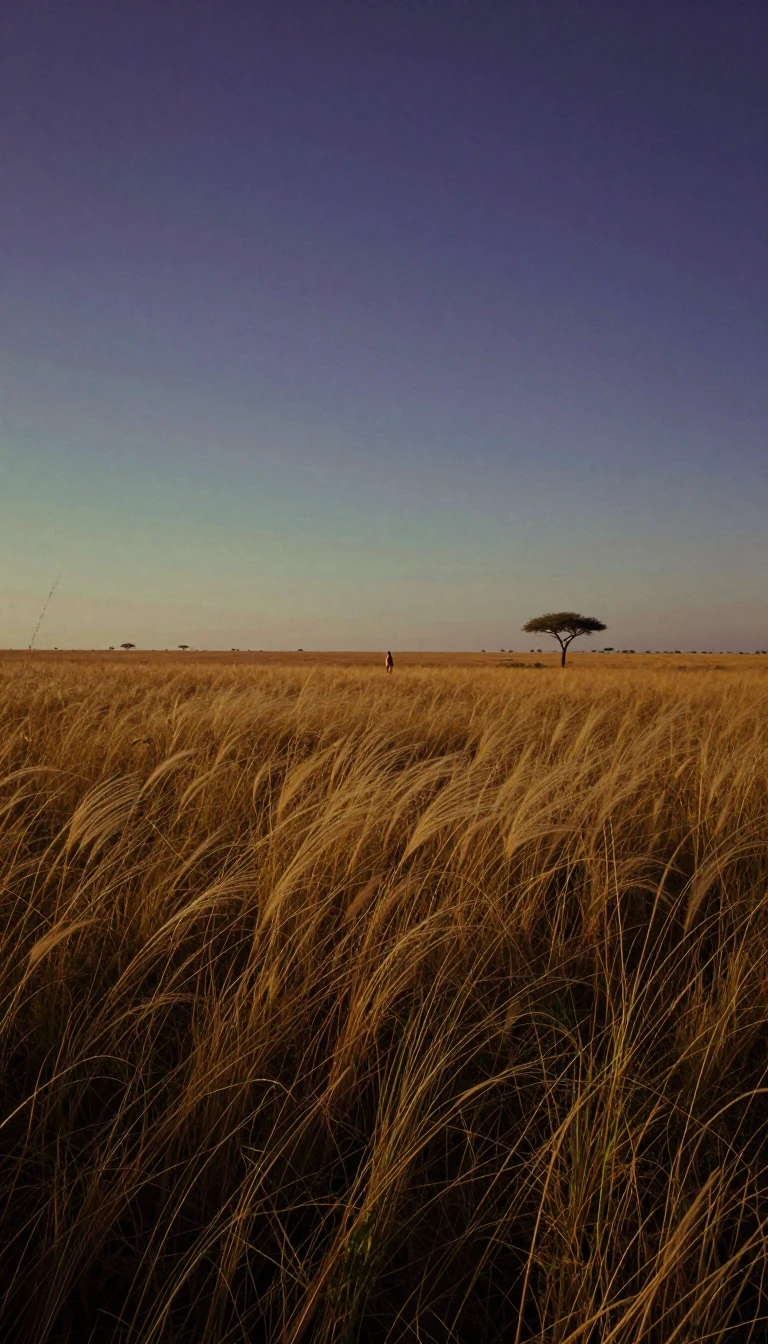
In short: By the late 19th century, the Asiatic lion was nearly extinct, with only about a dozen individuals remaining in India. Today, Gir National Park stands as their final stronghold—a sanctuary born from private hunting grounds and transformed by desperate conservation efforts into a global biodiversity hotspot.
The survival of the Asiatic lion is inextricably linked to the Nawab of Junagarh's former private hunting lands. In the late 1800s, British colonial hunting expeditions led to a catastrophic decline in the population. By the end of that century, only about twelve lions remained in the Gir Forest. Recognizing this crisis, the Nawab established a sanctuary to protect the remaining animals. This area now serves as the sole remaining habitat for the species in all of Asia.
Conservation here involves complex human-wildlife dynamics and rigorous scientific monitoring. Since 2005, officials have used the 'Block-Direct-Total Count' method, which relies on visual spotting by approximately 1,000 forest officials and volunteers—including women from local traditional tribes. This replaced older indirect methods like pugmark tracking. While the population has seen significant growth—rising from 359 in 2005 to 674 in 2020—the species faces modern pressures including a narrow genetic base, poaching, and retaliatory poisoning for livestock attacks.
The park's ecosystem is a diverse 'very dry teak forest' and dry savannah. It supports over 2,375 distinct fauna species, including the Indian leopard, striped hyena, and various herbivores like chital and nilgai. Beyond wildlife, the park provides significant economic value, producing nearly 5 million kilograms of green grass annually (valued at approximately ₹ 500 million) and 123,000 metric tons of firewood each year.
Despite its success, Gir faces ongoing anthropogenic threats from mining on its periphery, railway pollution, and tourism-induced degradation. To mitigate these risks, the Lion Breeding Programme maintains centers like the Sakkarbaug Zoo to study behavior and practice artificial insemination, ensuring the long-term viability of this unique biological research area.
Opens the Intellect+ feed with this card first. Swipe up for the next one.
Sources
- Summary by Intellect · source: Gir National Park
- Also: Wikidata — Gir National Park · CC0
To cite this card, link to https://intellectplus.co.uk/app/places-gir-national-park.
How we source, check and correct cards: Editorial standards.
General information, not professional advice. Spotted an error? Flag the card or see corrections and complaints.
Intellect Plus is a visual educational discovery platform for exploring fascinating facts and ideas. Brain Food, Not Brain Rot. What is Intellect Plus?
Related
More in Countries and other regions · More in Countries & Cities · Latest · A–Z · All topics
