Is the world's most famous blue cheese actually a product of a romantic blunder?
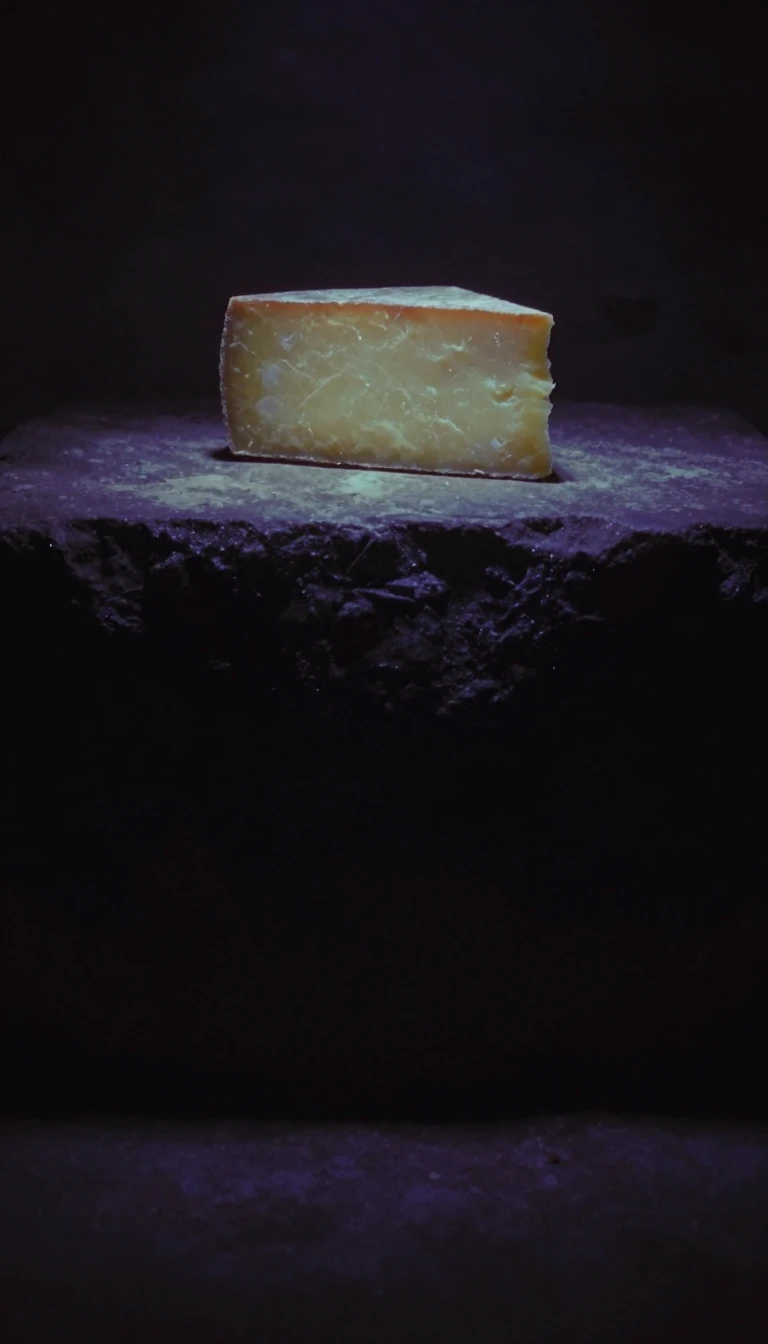
In short: Legend claims Gorgonzola was born when a distracted cheesemaker, rushing to meet his lover, left fresh curds exposed overnight. Upon returning, he discovered a mysterious blue mold had transformed his mistake into a culinary masterpiece. Today, this Italian staple is strictly protected, yet its true origins remain fiercely debated.
While the town of Gorgonzola, near Milan, claims the title, the cheese's history is shrouded in mystery and rivalry. Some historians point to the Middle Ages, specifically between 879 and 1007 AD, as the period of its inception. Others argue that the true birthplace is Pasturo nella Valsassina, a region famed for its ancient dairy traditions. The area’s natural caves provide a consistent temperature between 6 and 12 degrees Celsius, creating an ideal environment for the development of the cheese's signature greenish-blue marbling, which first appeared in the 11th century.
The process behind this transformation, known as erborinatura, involves the intentional introduction of mold spores. During the three to four months of ageing, cheesemakers insert metal rods into the wheels to create air channels. These channels allow the spores to sprout into hyphae, resulting in the characteristic veining. Historically, the cheese was known as stracchino verde, a name that captured its status as a soft, young cheese with blue-green streaks. It was not until the 20th century that the name Gorgonzola became the standard.
Today, the name is heavily regulated. Since 1996, Gorgonzola has held Protected Designation of Origin (PDO) status within the European Union, restricting production to specific provinces in Piedmont and Lombardy. However, this protection does not extend globally. In the United States, the Food and Drug Administration maintains its own standards of identity, allowing domestic producers in states like Wisconsin and Vermont to market their own blue cheeses under the Gorgonzola label. This divergence has led to a world where the same name can refer to a strictly controlled Italian heritage product or a localized, international imitation.
Beyond the dairy case, the cheese has even carved out a place in literature. In James Joyce’s 1922 novel Ulysses, the protagonist Bloom consumes a Gorgonzola sandwich. Scholar Richard Ellmann later interpreted this choice as a symbolic act, suggesting that by digesting the cheese, Bloom was mastering the monster, drawing a parallel to Dante’s encounters with the Gorgon in the Inferno.
Opens the Intellect+ feed with this card first. Swipe up for the next one.
Sources
- Summary by Intellect · source: Gorgonzola
- Also: Wikidata — Gorgonzola · CC0
- Also: Wikidata — Gorgonzola · CC0
To cite this card, link to https://intellectplus.co.uk/app/places-gorgonzola.
How we source, check and correct cards: Editorial standards.
General information, not professional advice. Spotted an error? Flag the card or see corrections and complaints.
Intellect Plus is a visual educational discovery platform for exploring fascinating facts and ideas. Brain Food, Not Brain Rot. What is Intellect Plus?
Related
More in Cities · More in Countries & Cities · Latest · A–Z · All topics
