Beneath Midtown Manhattan, a century of engineering has shaped a massive transit labyrinth.
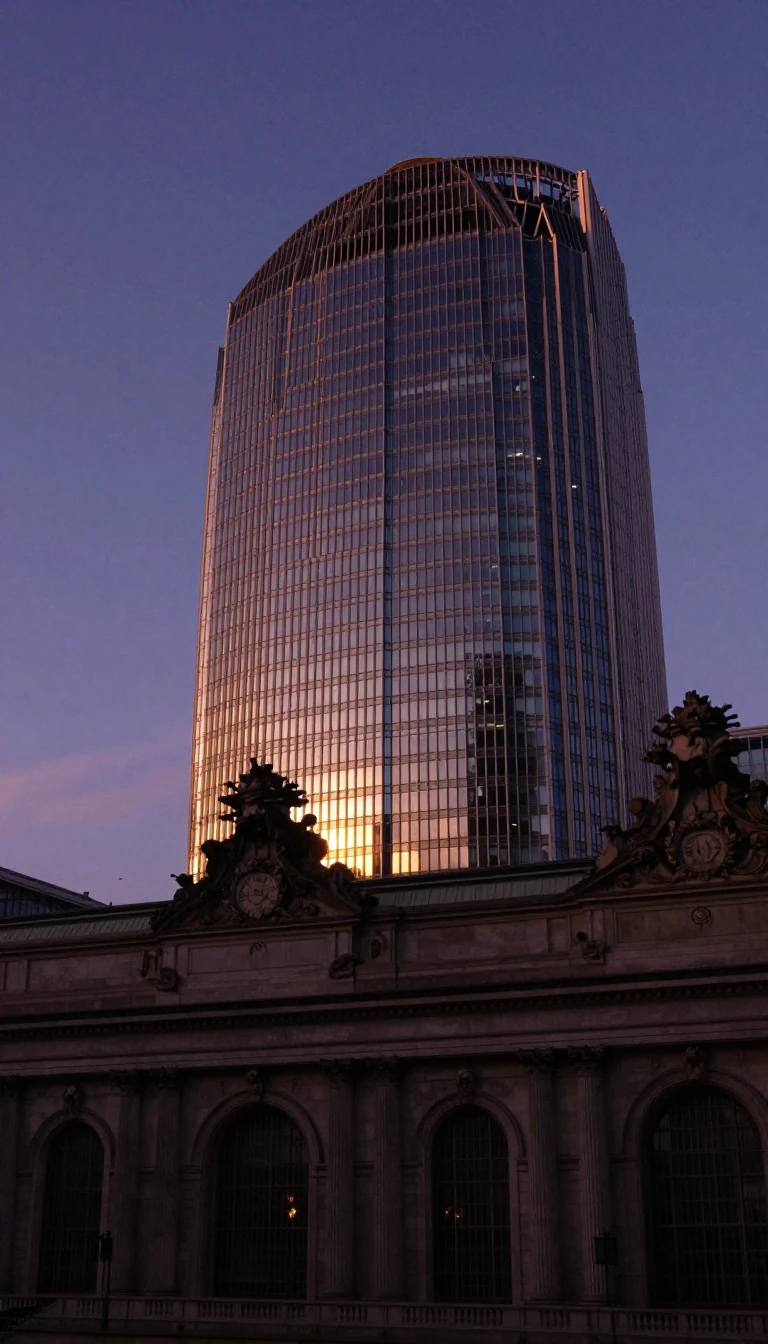
In short: Grand Central–42nd Street is one of the most heavily trafficked hubs in the New York City Subway system. Beyond its role as a transit node, the station complex serves as a subterranean monument to decades of architectural adaptation, constant expansion, and the relentless struggle to manage overwhelming passenger congestion.
The station's history began with the city's first subway line, which opened on October 27, 1904. Originally designed as an express stop, the station was part of a grand plan to connect lower Manhattan to the northern reaches of the city. As ridership surged, the station underwent frequent modifications, including the 1910 platform extensions that allowed for longer trains. The most significant transformation occurred in 1918 with the implementation of the H-system, which split the original line into the distinct East and West Side trunk lines, leaving the 42nd Street Shuttle to bridge the gap between them.
Managing the sheer volume of commuters has been a persistent challenge. By 1929, officials were warned of life-threatening conditions caused by overcrowding during peak hours. Proposed solutions were often ambitious and costly, such as a 1928 plan for reservoir stations that would have separated northbound and southbound traffic, though it was ultimately abandoned due to its high price tag. Instead, the station relied on a series of incremental improvements, including the widening of passageways, the installation of high-capacity escalators in 1954, and the integration of direct connections to surrounding skyscrapers like the Chrysler Building.
The station's layout also reflects failed ambitions and abandoned infrastructure. For instance, a planned extension for the Hudson & Manhattan Railroad was repeatedly delayed by the company until the city finally revoked its right to build in 1920. Similarly, a lower-level station proposed in the 1950s to increase capacity and improve train reversing never materialized. Today, the complex remains a vital, evolving piece of urban infrastructure, having been reconstructed multiple times to accommodate the needs of millions of annual passengers while maintaining its connection to the adjacent Grand Central Terminal.
Opens the Intellect+ feed with this card first. Swipe up for the next one.
Sources
- Summary by Intellect · source: Grand Central–42nd Street station
To cite this card, link to https://intellectplus.co.uk/app/places-grand-central-42nd-street-station.
How we source, check and correct cards: Editorial standards.
General information, not professional advice. Spotted an error? Flag the card or see corrections and complaints.
Intellect Plus is a visual educational discovery platform for exploring fascinating facts and ideas. Brain Food, Not Brain Rot. What is Intellect Plus?
Related
More in Bodies of water · More in Countries & Cities · Latest · A–Z · All topics
