A Canadian city is turning its flood-prone neighborhood back into a natural river plain
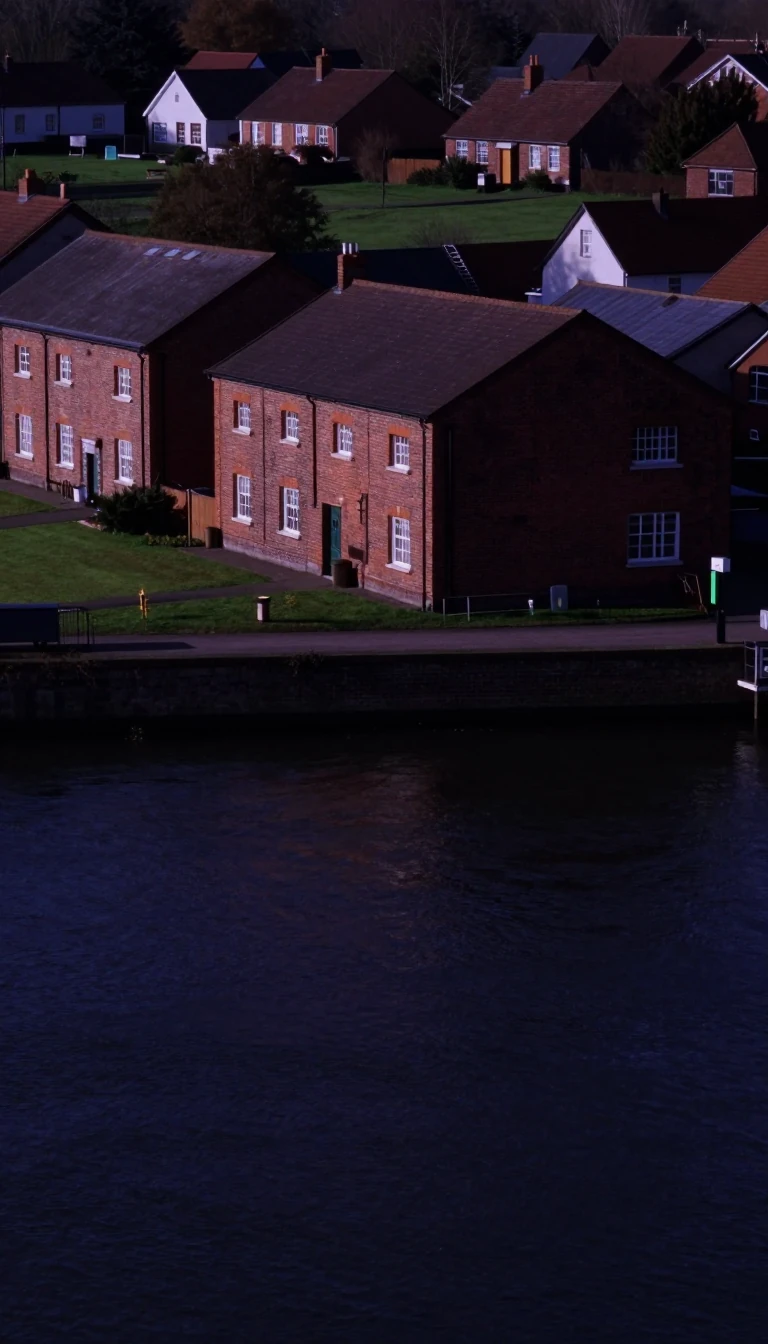
In short: Nestled at the confluence of the Granby and Kettle Rivers, Grand Forks, British Columbia, faces a unique environmental challenge. Following devastating floods in 2018, the federal government initiated a strategic buyout of homes in the Ruckle area, aiming to restore the land to its original, flood-resilient state as a natural plain.
Established as a city in 1897, Grand Forks sits in the Boundary Country region. Its history is deeply tied to the landscape, from the copper mining boom that dominated the valley in the 1890s to the arrival of pacifist Russian Doukhobors between 1909 and 1913. These settlers were drawn to the region by its fertile farmland, and today, many residents trace their ancestry back to this community.
The city's industrial identity has shifted significantly over the decades. Once a hub for railways and smelters, the local economy now relies on logging, metal fabrication, and rock wool manufacturing. Interestingly, the town maintains a unique industrial link to the United States: slag piles from historical copper smelting are processed and shipped to San Diego, where the US Navy utilizes the material for sandblasting ships. Grand Forks is also home to the shortest railway in Canada, a six-kilometer line that connects local industries to the broader rail network.
The 2018 flooding of the Kettle and Granby Rivers marked a turning point for urban planning in the region. The damage was extensive, particularly in the low-lying Ruckle neighborhood. By deciding to buy out these properties rather than rebuild, the government is prioritizing long-term ecological safety over traditional development. This approach reflects a broader trend of adapting to climate volatility, as the area has seen extreme weather events, including record-breaking heat in 2021, which saw temperatures potentially reaching 48 degrees Celsius.
Despite its small population of 4,112, the city remains a regional service hub, hosting the main office for School District 51 and a community campus for Selkirk College. While industrial growth has slowed since the early 2000s, the city continues to navigate the balance between its historical roots and the necessity of adapting to its dynamic river-fed environment.
Opens the Intellect+ feed with this card first. Swipe up for the next one.
Sources
- Summary by Intellect · source: Grand Forks, British Columbia
- Also: Wikidata — Grand Forks · CC0
To cite this card, link to https://intellectplus.co.uk/app/places-grand-forks-british-columbia.
How we source, check and correct cards: Editorial standards.
General information, not professional advice. Spotted an error? Flag the card or see corrections and complaints.
Intellect Plus is a visual educational discovery platform for exploring fascinating facts and ideas. Brain Food, Not Brain Rot. What is Intellect Plus?
Related
More in Bodies of water · More in Countries & Cities · Latest · A–Z · All topics
