The 1960s interface that still powers modern laboratory testing and measurement equipment
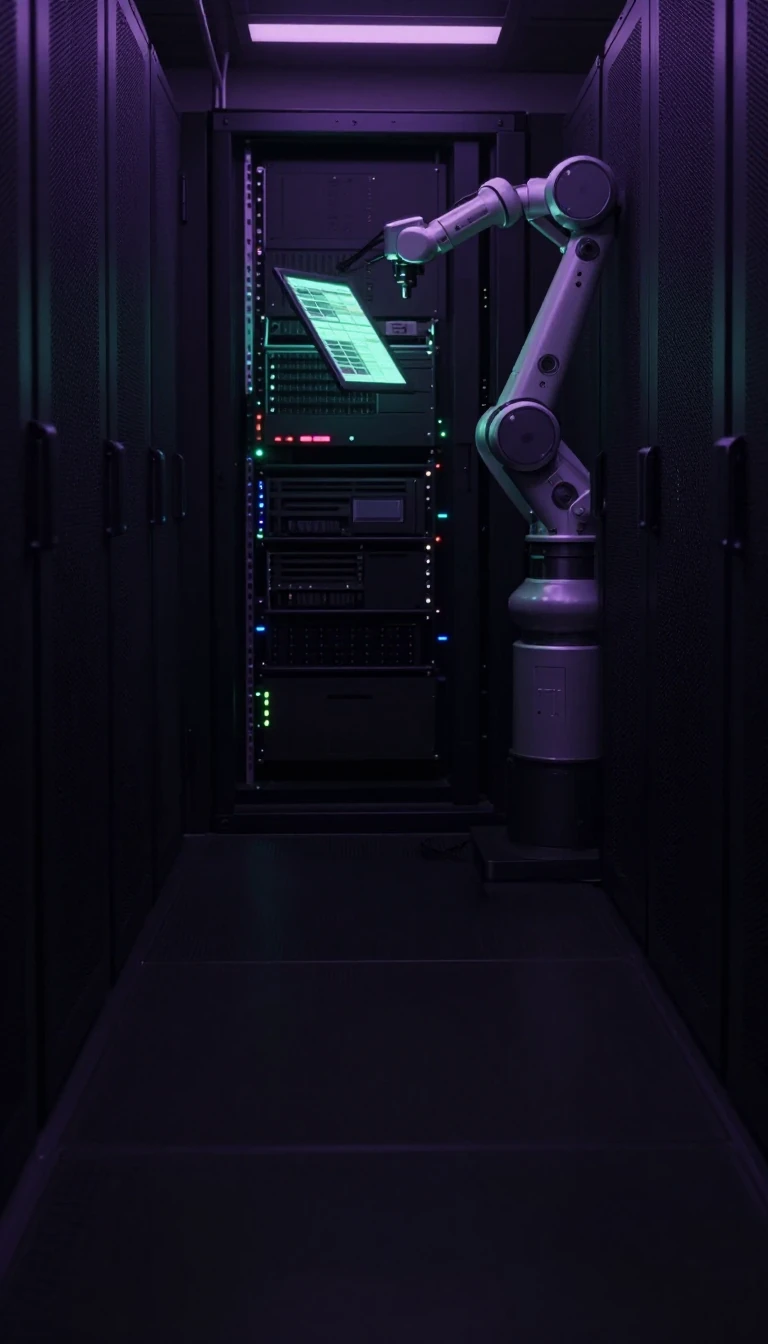
In short: Developed by Hewlett-Packard to link automated test instruments, the General Purpose Interface Bus became a global standard for industrial control. While newer technologies eventually replaced it for personal computing, this robust parallel bus remains a staple in laboratories, proving that reliable, specialized hardware can outlast the rapid cycles of consumer tech.
Originally conceived in the 1960s by Hewlett-Packard, the HP Interface Bus was designed to simplify the connection between controllers and measurement instruments like digital multimeters. It was a pragmatic solution that allowed devices to communicate using a simple parallel bus and individual control lines, often requiring nothing more than basic TTL logic. By 1975, the IEEE formalized this technology as IEEE 488, establishing a standard that defined mechanical and electrical parameters while leaving command formats open to interpretation.
The system's longevity is rooted in its rugged design. It employs a 24-pin micro ribbon connector, often secured with screws, which provides a reliable physical connection in industrial settings. A unique feature of these connectors is their double-headed design, allowing users to stack them for daisy-chaining multiple devices. While this physical robustness was an advantage in labs, it proved costly and bulky for the mass-market personal computer industry, where serial standards like USB or Ethernet eventually became the norm.
Interoperability remained a challenge for years because the early standards did not dictate specific command sets. Manufacturers often used different instructions for identical functions, leading to confusion. This was finally addressed in 1990 with the introduction of Standard Commands for Programmable Instrumentation (SCPI), which provided a universal language for instrument control. Today, the standard continues to evolve, having been merged into the dual-logo IEEE/IEC 60488 standard in 2004, ensuring that this decades-old architecture remains a cornerstone of precision measurement.
Despite being superseded for peripheral access by faster protocols like SCSI, the bus remains highly relevant. It supports up to 15 devices on a single 20-metre cable, and the HS-488 extension allows for data rates up to 8 Mbyte/s. From its early adoption in the Commodore PET to its current role in high-end test equipment, the interface demonstrates how a well-engineered, specialized specification can maintain its utility long after its original creators have moved on.
Opens the Intellect+ feed with this card first. Swipe up for the next one.
Sources
- Summary by Intellect · source: GPIB
- Also: Wikidata — gpib · CC0
To cite this card, link to https://intellectplus.co.uk/app/places-gpib.
How we source, check and correct cards: Editorial standards.
General information, not professional advice. Spotted an error? Flag the card or see corrections and complaints.
Intellect Plus is a visual educational discovery platform for exploring fascinating facts and ideas. Brain Food, Not Brain Rot. What is Intellect Plus?
Related
More in Bodies of water · More in Countries & Cities · Latest · A–Z · All topics
