How a rare atmospheric collision created the legendary Great Blizzard of 1978
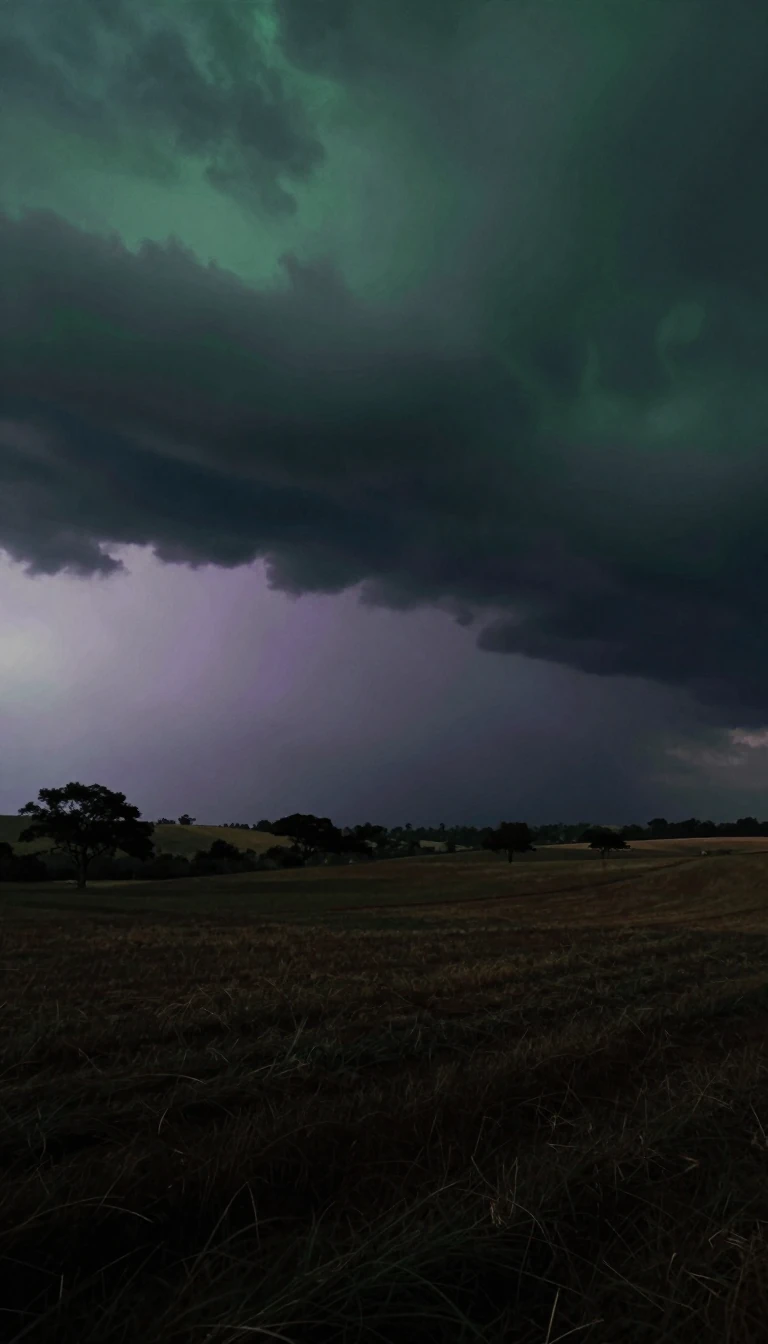
In short: In January 1978, a massive winter storm paralyzed the American Midwest and Ontario. Driven by the explosive merger of two powerful jet streams, the blizzard brought record-breaking low pressures, hurricane-force winds, and paralyzing snowdrifts. It remains one of the most severe winter events in North American history, fundamentally altering regional life.
The Great Blizzard of 1978, often called the Cleveland Superbomb, was fueled by a rare meteorological phenomenon known as explosive cyclogenesis. On January 24, a Gulf low-pressure system began developing in the southern United States while a separate system sat over the Upper Midwest. Simultaneously, a high-pressure ridge forced the Pacific jet stream north into Canada, allowing an Arctic jet stream and a subtropical jet stream to surge southward. When these two currents merged, they generated maximum winds of 150 knots, causing the Gulf system to deepen rapidly. To qualify as explosive cyclogenesis, a storm must drop at least 24 millibars in 24 hours; this storm plummeted by 40 millibars.
As the system moved northward, it brought unprecedented conditions to the Ohio Valley and Great Lakes. On January 26, the storm passed over Mount Clemens, Michigan, where barometric pressure hit 956.0 millibars—the third-lowest non-tropical pressure ever recorded in the mainland United States. The absolute lowest pressure for the event was measured at 955.5 millibars in Sarnia, Ontario. The storm was categorized as a rare severe blizzard, the highest grade of winter storm, with wind gusts reaching 111 miles per hour and wind chill values plunging to -60 degrees Fahrenheit in parts of Ohio.
The societal impact was profound, with at least 90 storm-related deaths reported. In Ohio, where 51 people died, the National Guard was deployed to assist with rescues, and the Ohio Turnpike was closed for the first time in its history. Major General James C. Clem likened the transportation collapse to the aftermath of a nuclear attack. Universities like Ohio State and Notre Dame canceled classes for the first time ever, while in Michigan, approximately 100,000 vehicles were abandoned on highways. The storm's legacy persists as the highest-ranking winter event on the Regional Snowfall Index, serving as a benchmark for extreme winter weather.
Opens the Intellect+ feed with this card first. Swipe up for the next one.
Sources
- Summary by Intellect · source: Great Blizzard of 1978
- Also: Wikidata — Great Blizzard of 1978 · CC0
To cite this card, link to https://intellectplus.co.uk/app/places-great-blizzard-of-1978.
How we source, check and correct cards: Editorial standards.
General information, not professional advice. Spotted an error? Flag the card or see corrections and complaints.
Intellect Plus is a visual educational discovery platform for exploring fascinating facts and ideas. Brain Food, Not Brain Rot. What is Intellect Plus?
Related
More in Bodies of water · More in Countries & Cities · Latest · A–Z · All topics
