The 1974 Super Outbreak remains a defining moment in modern meteorological history and safety.
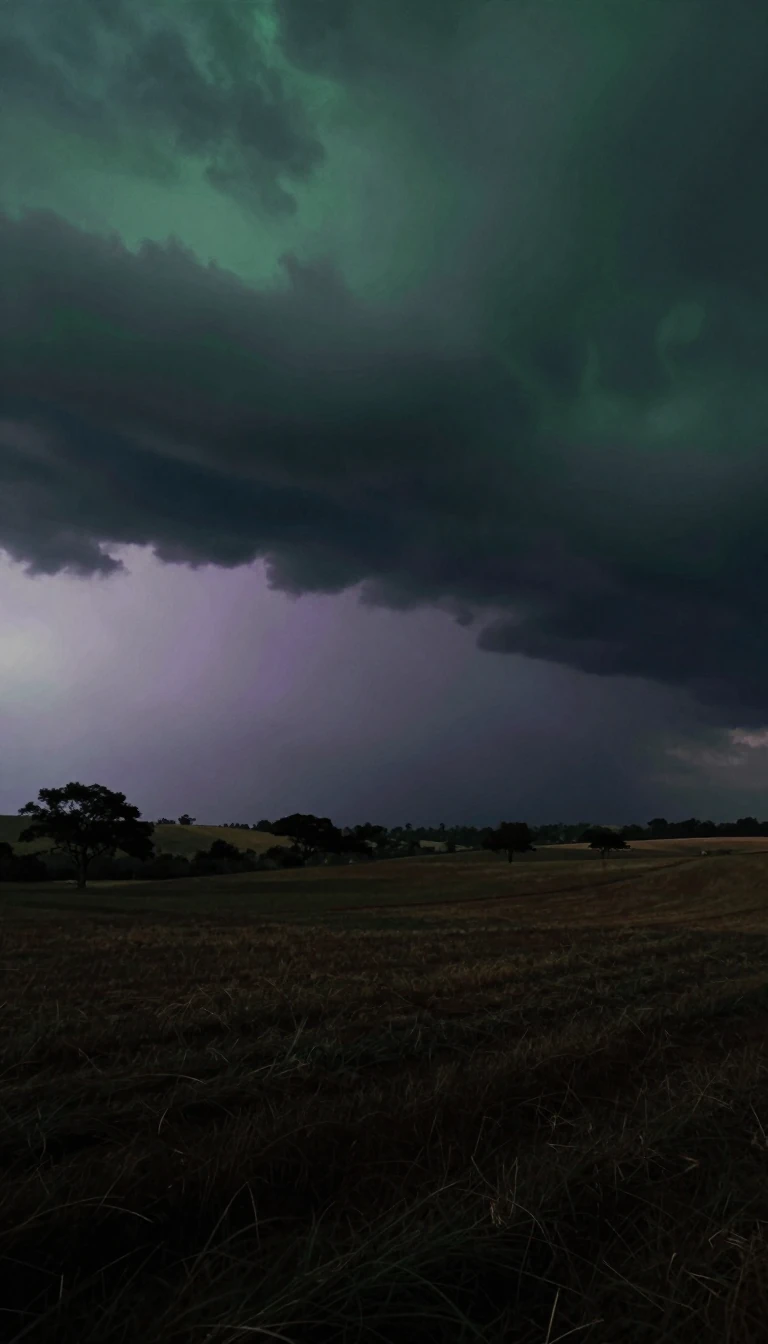
In short: Fifty years ago, a singular atmospheric event reshaped how the United States prepares for disaster. The 1974 Super Outbreak produced 148 tornadoes across 13 states and Ontario, leaving behind a legacy of innovation. It forced a total overhaul of weather detection, communication, and the very structure of the National Weather Service.
On April 3–4, 1974, a powerful low-pressure system developed on the lee side of the Rocky Mountains, fueled by a stark contrast between dry air and moist Gulf air. This system raced across the country, creating ideal conditions for wind shear and atmospheric instability. The resulting outbreak produced 148 confirmed tornadoes, including 30 rated as F4 or F5. These storms carved a combined path length of 2,598 miles, claiming 335 lives and injuring over 6,000 people. The economic toll, adjusted for 2024 inflation, reached approximately $5.3 billion.
At the time, meteorologists relied on WSR-57 radar technology, which, while limited compared to modern Doppler systems, allowed for the identification of critical 'hook echoes.' Despite the destruction, the National Weather Service was credited with admirable performance under extreme conditions. However, the event exposed significant gaps in warning dissemination and public awareness. For instance, the F5 tornado that struck Xenia, Ohio, caused fewer casualties than it might have because it hit shortly after school dismissal, a stroke of fortune that highlighted the fragility of existing safety protocols.
The aftermath triggered the Modernization and Associated Restructuring (MAR) of the National Weather Service. This massive reorganization accelerated the agency's ability to detect storms and deliver timely warnings. The outbreak also spurred the development of advanced technologies, including Doppler radar and GOES satellites, which remain foundational to modern meteorology. Furthermore, it transformed the relationship between weather agencies and mass media, leading to the expanded use of the Emergency Broadcast System and NOAA Weather Radio to ensure that life-saving information reaches the public during future crises.
Opens the Intellect+ feed with this card first. Swipe up for the next one.
Sources
- Summary by Intellect · source: April 3–4, 1974 Super Outbreak
- Also: Super Outbreak of 1974 | Deadly, Destructive, Devastating | Britannica
- Also: The April 1974 Super Outbreak of Tornadoes - National Weather Service Heritage - Virtual Lab
- Also: 1974 Super Outbreak
To cite this card, link to https://intellectplus.co.uk/app/culture-1974-super-outbreak.
How we source, check and correct cards: Editorial standards.
General information, not professional advice. Spotted an error? Flag the card or see corrections and complaints.
Intellect Plus is a visual educational discovery platform for exploring fascinating facts and ideas. Brain Food, Not Brain Rot. What is Intellect Plus?
Related
More in US culture · More in Cultures · Latest · A–Z · All topics
